Headphones are everywhere—on the bus, at the gym, in the office, and even in bed. They make it easy to enjoy music, podcasts, and calls without disturbing others. But there’s a catch: how you use headphones matters just as much as how often you use them.
Used the wrong way, headphones can gradually affect your hearing—often without obvious warning signs at first. Let’s break down what’s happening and how to protect your ears without giving up your favorite audio.
🧠 How Hearing Can Be Affected
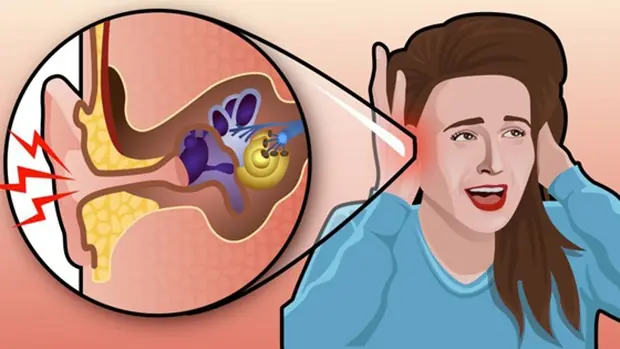
Your ears are sensitive to sound intensity (volume) and exposure time. Inside the inner ear are tiny hair cells that convert sound waves into signals your brain understands.
👉 When exposed to loud sound for too long:
- These hair cells can become damaged
- Damage may be gradual and not immediately noticeable
- Over time, it can affect hearing clarity
🔊 1. Volume That’s Too High
This is the most common issue.
What happens:
- Loud audio puts stress on the inner ear
- The higher the volume, the shorter the safe listening time
👉 A useful rule: if someone next to you can hear your audio, it’s likely too loud.
⏱️ 2. Listening for Too Long Without Breaks
Even moderate volume can become harmful over long periods.
Common habit:
- Wearing headphones for hours continuously
👉 Giving your ears regular breaks helps reduce strain.
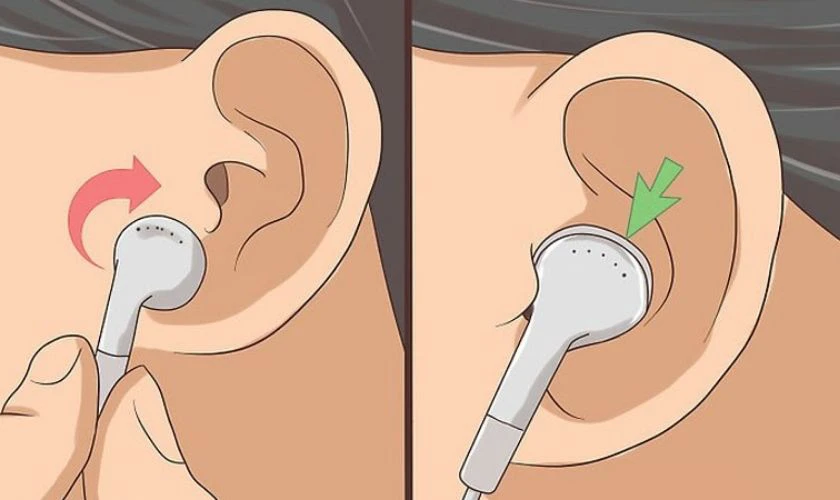
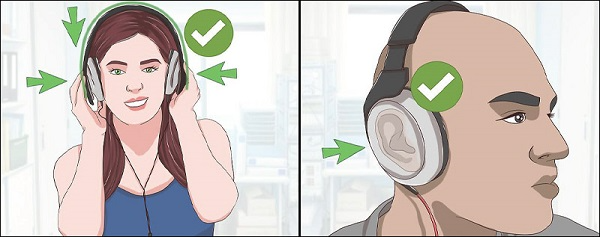
🎧 3. Poor Fit or Low-Quality Headphones
Headphones that don’t fit well or leak sound may lead you to increase volume.
Result:
- Higher volume than necessary
- More pressure on your ears
🌆 4. Using Headphones in Noisy Environments
In places like public transport or busy streets, background noise is high.
👉 People often turn up the volume to compensate, which increases risk.
🛏️ 5. Falling Asleep with Headphones On
Listening while sleeping can lead to:
- Long, uninterrupted exposure
- Lack of awareness of volume levels
⚠️ Signs You Should Pay Attention To
Your body may give subtle signals if your ears are under stress:
- Ringing in the ears after listening
- Muffled or reduced hearing temporarily
- Needing to increase volume more than before
👉 These signs shouldn’t be ignored.
💡 How to Use Headphones Safely
You don’t need to stop using headphones—just use them smarter.
✔️ Follow the 60/60 Rule
- Keep volume below 60%
- Listen for no more than 60 minutes at a time
✔️ Take Regular Breaks
- Give your ears time to recover
- Even short breaks can help
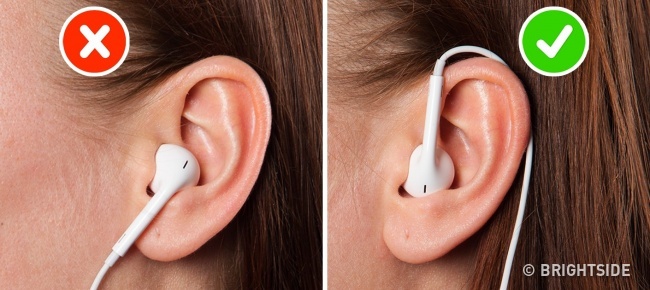
✔️ Use Noise-Isolating or Noise-Canceling Headphones
- Helps reduce the need to increase volume
- Improves listening quality at lower levels
✔️ Adjust Volume Before Wearing
✔️ Keep Devices Clean
- Prevents irritation or infection in the ear canal
⚠️ Important Reminder
Hearing damage often develops gradually. By the time it becomes noticeable, it may already be significant.
👉 Prevention is always easier than treatment.
🧠 Final Thoughts
Headphones are a part of modern life - but like many things, it’s all about how you use them.
👉 Lower volume + shorter duration = safer listening.
By making small adjustments to your habits, you can continue enjoying your favorite audio while protecting your hearing for the long term.
Because once your hearing is affected, it’s not something easily reversed - so it’s worth taking care of it now. 🎧✨