However, modern lifestyles - characterized by processed foods, excess sugar, alcohol, unhealthy fats, and environmental toxins—place enormous strain on the liver. Over time, this overload can weaken liver function and increase the risk of conditions such as fatty liver disease, chronic inflammation, and even cirrhosis.
One of the most effective ways to support liver health is through diet. Certain vegetables and fruits contain powerful nutrients that enhance the liver’s natural detoxification processes, reduce inflammation, and protect liver cells from damage.
Below is a detailed guide to vegetables and fruits that support liver health, along with an important section on who should be cautious or avoid these foods.
Why Liver Health Is So Important
Your liver acts as the body’s main filtration system. It:
-
Breaks down toxins, medications, and alcohol
-
Converts nutrients into usable energy
-
Stores vitamins and minerals
-
Produces bile to digest fats
-
Regulates cholesterol and blood sugar levels
When the liver becomes overloaded, toxins can accumulate in the body, leading to fatigue, digestive problems, hormonal imbalance, and long-term disease. Supporting liver health through nutrition helps maintain overall balance and prevents serious complications.
4 Vegetables That Support Liver Health
1. Broccoli
Broccoli is a cruciferous vegetable rich in fiber, vitamin C, vitamin K, and antioxidants. One of its most powerful compounds is sulforaphane, which activates liver enzymes responsible for detoxifying harmful substances.
Liver benefits:
-
Enhances detoxification pathways
-
Reduces oxidative stress in liver cells
-
Helps prevent fat accumulation in the liver
-
Supports overall metabolic health
Regular consumption of broccoli has been linked to a lower risk of fatty liver disease and improved liver enzyme levels.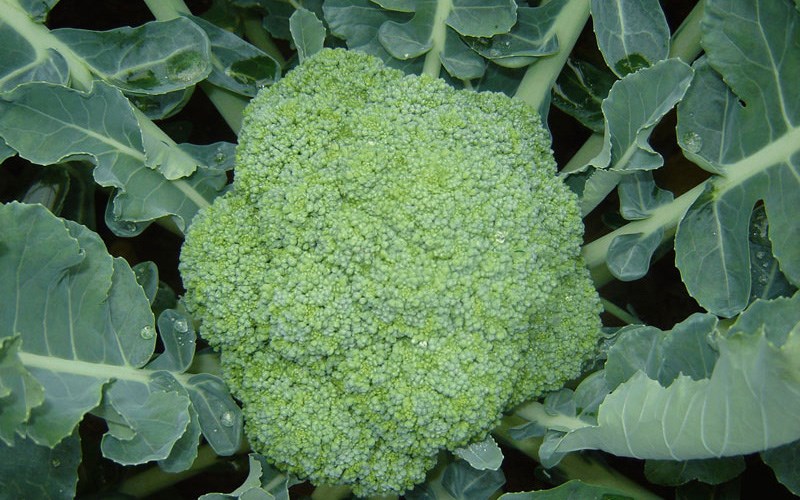
2. Spinach
Spinach is loaded with chlorophyll, a natural compound that helps cleanse the bloodstream of toxins before they reach the liver. It also contains vitamins A, C, E, magnesium, iron, and folate, all of which are essential for liver repair and function.
Liver benefits:
-
Supports blood detoxification
-
Reduces inflammation
-
Aids in bile production
-
Helps neutralize free radicals
Spinach can be eaten raw in salads or lightly cooked to preserve nutrients.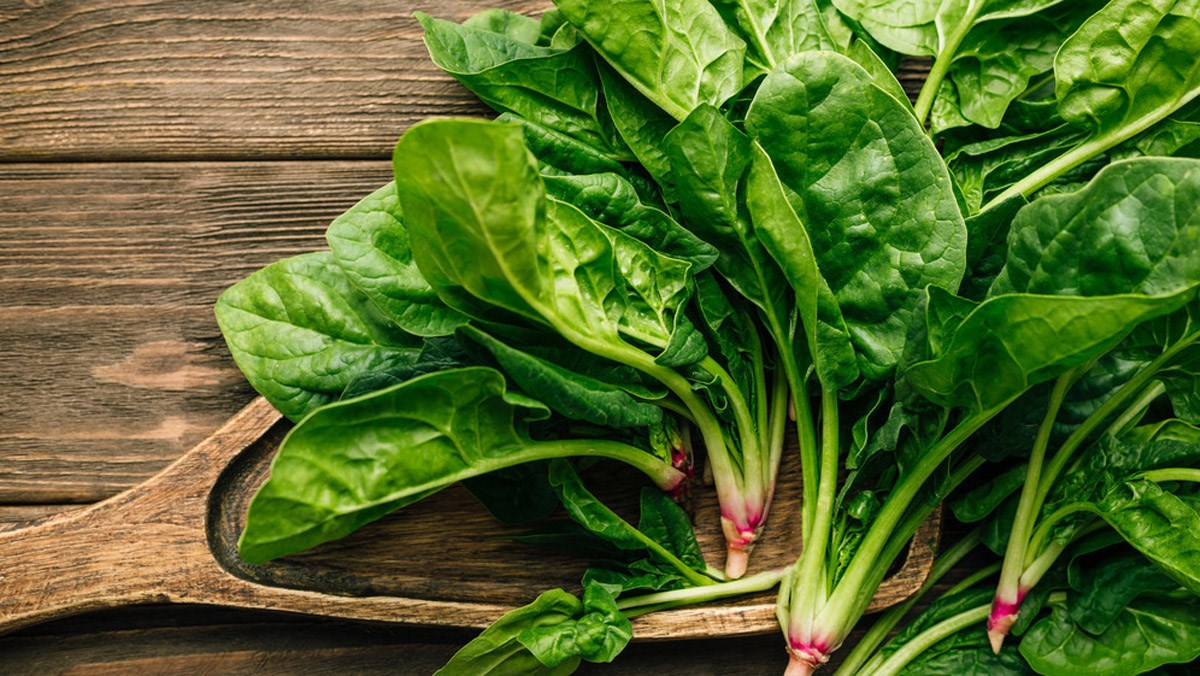
3. Beets
Beets are well known for their deep red color, which comes from betalains - powerful antioxidants with anti-inflammatory and detoxifying properties. Beets also support liver blood flow and enzyme activity.
Liver benefits:
-
Promotes detox enzyme production
-
Reduces oxidative damage
-
Improves bile flow
-
Helps eliminate heavy metals and toxins
Beets can be consumed roasted, steamed, or as fresh juice in moderation.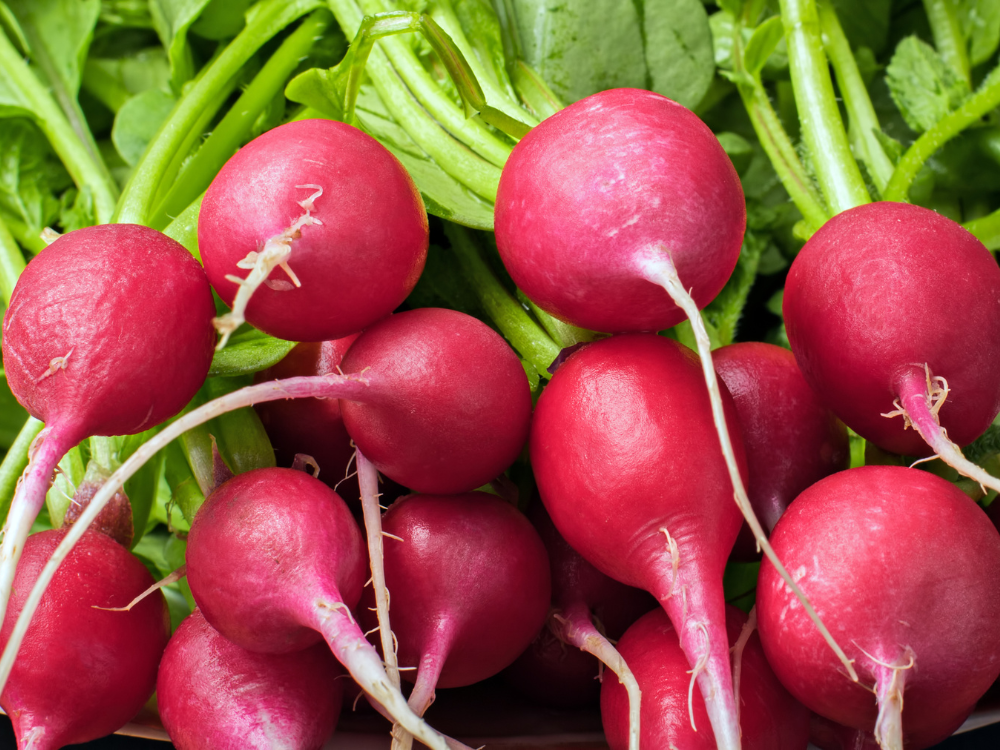
4. Garlic
Garlic may be small, but it is extremely potent for liver health. It contains allicin and selenium, compounds that activate liver enzymes and enhance the elimination of toxins.
Liver benefits:
-
Stimulates detoxification enzymes
-
Helps reduce fat buildup in the liver
-
Supports immune and cardiovascular health
-
Protects liver cells from oxidative stress
Even small amounts of garlic used regularly can offer protective benefits.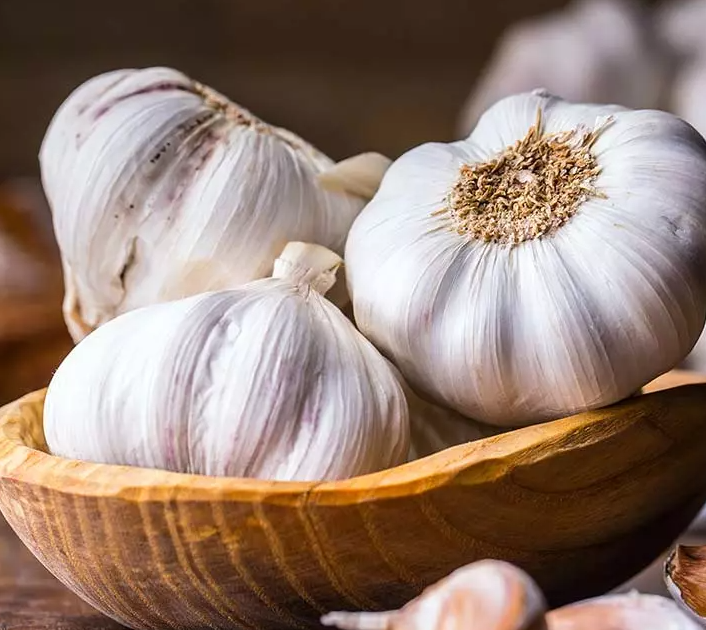
2 Fruits That Support Liver Health
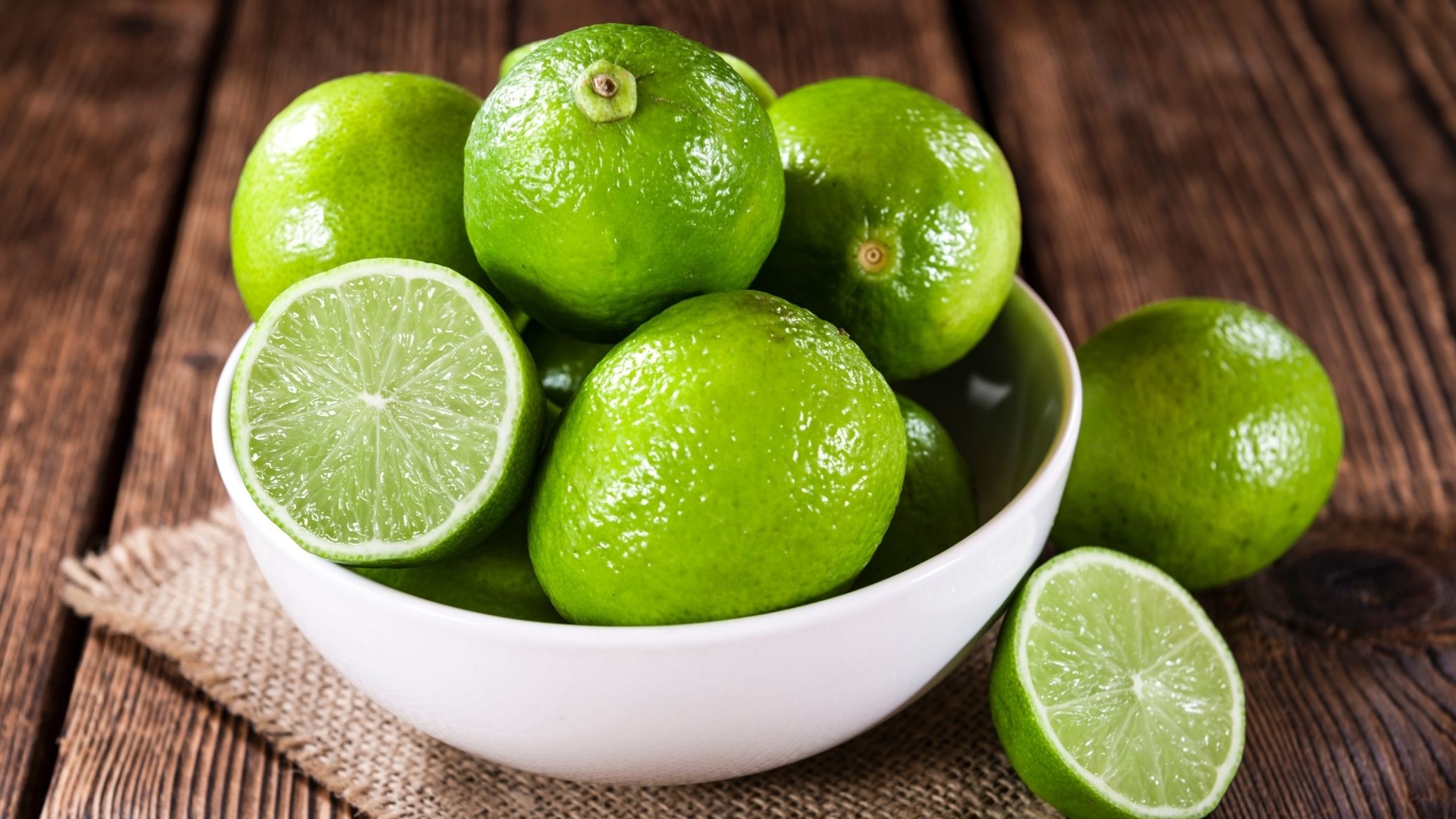
1. Lemon
Lemons are rich in vitamin C and antioxidants, which stimulate the liver to produce bile. Bile is essential for digesting fats and removing waste from the body.
Liver benefits:
-
Enhances bile production
-
Supports digestion and toxin elimination
-
Reduces oxidative stress
-
Boosts hydration and metabolism
Drinking warm lemon water in the morning is a popular and gentle way to support liver function.
2. Apples
Apples are high in pectin, a soluble fiber that helps cleanse the digestive tract. By binding toxins in the gut, pectin reduces the burden placed on the liver.
Liver benefits:
-
Supports detoxification
-
Improves digestion
-
Helps regulate cholesterol
-
Reduces toxin absorption
Eating whole apples regularly is more beneficial than drinking apple juice.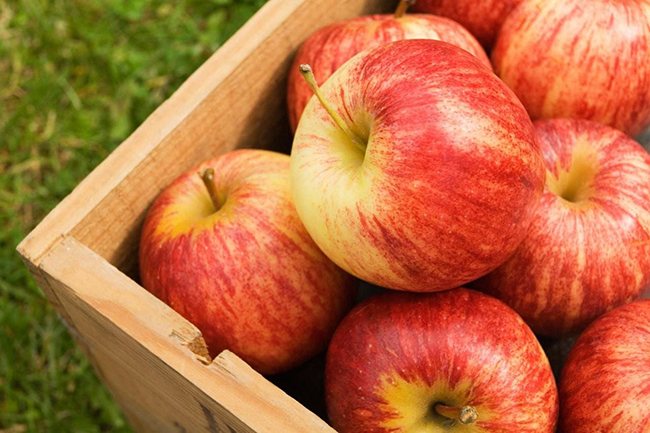
Tips for a Liver-Friendly Diet
-
Include liver-supporting vegetables and fruits daily
-
Limit processed foods, refined sugar, and trans fats
-
Reduce alcohol intake
-
Stay well-hydrated to aid toxin elimination
-
Combine vegetables and fruits with lean protein and healthy fats
-
Avoid overeating, especially late at night
Consistency matters more than extremes - small daily habits make a big difference.
Who Should Be Cautious or Avoid These Foods
Although these foods are generally healthy, not everyone should consume them freely. Certain individuals need to be cautious.
1. People with Kidney Stones
Spinach and beets are high in oxalates, which may increase the risk of kidney stones in susceptible individuals.
Recommendation:
Consume in moderation and consult a healthcare provider.
2. Individuals with Low Blood Pressure
Garlic, beets, and spinach may lower blood pressure further, potentially causing dizziness or weakness.
3. People with Sensitive Stomachs or Acid Reflux
Garlic and lemon can irritate the stomach lining and worsen acid reflux or gastritis.
4. Those with Thyroid Disorders
Cruciferous vegetables like broccoli may interfere with iodine absorption if consumed in excessive amounts, particularly when eaten raw.
5. People Taking Blood-Thinning Medications
Garlic and spinach can affect blood clotting and may interact with anticoagulant medications.
6. Individuals with Allergies or Digestive Intolerance
Some people may experience bloating, gas, or discomfort from high-fiber vegetables like broccoli.
Conclusion
Your liver works nonstop to protect your body from toxins and maintain internal balance. Supporting it through diet is one of the simplest yet most powerful steps toward long-term health. Vegetables like broccoli, spinach, beets, and garlic, along with fruits such as lemon and apples, provide essential nutrients that enhance detoxification, reduce inflammation, and protect liver cells.
However, these foods should be consumed mindfully, especially by individuals with underlying health conditions. Balance, moderation, and variety are key.
By making thoughtful food choices and supporting your liver daily, you can improve not only liver health but also overall energy, digestion, and well-being.