Osteoporosis — Often Called a “Silent Killer” That Requires Serious Attention
By the time most people discover they have it, significant bone loss has already occurred—and sometimes the first sign is a serious fracture. This is why early awareness, prevention, and timely management are essential. Understanding how osteoporosis works, who is at risk, and why it is so dangerous can help individuals take proactive steps to protect their bone health.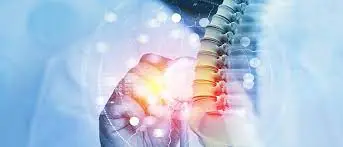
A Disease That Works in Silence
Bones are living tissues that constantly break down and rebuild. When we are young, our bodies create new bone faster than they break it down, allowing our bone density to increase. However, as we age—especially after age 40—bone loss starts to occur more rapidly. In osteoporosis, this natural process becomes imbalanced: bones lose density at a much faster rate than the body can replace it.
Because this process happens internally and progresses slowly, people usually feel no pain. There are no headaches, no fevers, no sharp alarms—only quiet bone thinning. This is why osteoporosis is often not discovered until a bone breaks from what seems like a minor fall, or even from simple movements such as bending, coughing, or lifting something light.
Why It’s Called a “Silent Killer”
Although osteoporosis itself does not kill, its complications can be life-threatening. Hip fractures, for example, are among the most serious consequences of advanced bone loss. Studies show that a significant percentage of older adults who suffer a hip fracture face long-term disability, loss of independence, or life-threatening complications during recovery.
Spinal fractures are also common and can severely affect posture, mobility, and lung function. The gradual collapse of vertebrae can shorten a person’s height, create chronic back pain, and compress organs. In advanced cases, spinal deformities may even make breathing or digestion difficult.
Because these complications can deeply impact quality of life, osteoporosis is viewed as a “silent” but extremely dangerous condition—one that can diminish independence and increase mortality risk in subtle but devastating ways.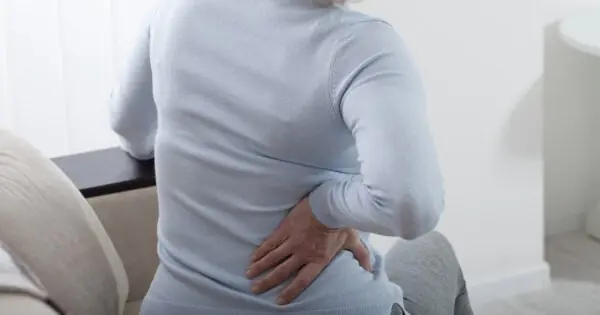
Who Is Most at Risk?
Osteoporosis can affect anyone, but certain groups face a higher risk:
-
Women, especially after menopause, due to rapid hormonal changes that accelerate bone loss
-
Older adults, as aging naturally reduces bone density
-
People with family history of osteoporosis or fractures
-
Individuals with low body weight or poor nutrition
-
People with sedentary lifestyles, who get little physical activity
-
Smokers and heavy drinkers, as both habits weaken bones
-
Individuals taking long-term steroids, which interfere with bone rebuilding
While genetics and aging play major roles, lifestyle and nutrition are equally critical.
Signs That May Appear in Later Stages
Even though early osteoporosis is silent, advanced cases sometimes show subtle physical changes:
-
Gradual height loss
-
Stooped or hunched posture
-
Sudden back pain
-
Bones that break easily
-
Difficulty standing for long periods
These signs usually indicate that bone density has already decreased significantly.
Prevention: The Best Defense
The good news is that osteoporosis is often preventable—and early intervention can slow or even stop bone loss. Key strategies include:
-
Adequate Calcium Intake
Adults typically need 1,000–1,200 mg of calcium per day from foods like dairy, green vegetables, almonds, and fortified products. -
Vitamin D for Absorption
Without enough vitamin D, the body cannot absorb calcium effectively. Sunlight, supplements, and certain foods help maintain healthy levels. -
Weight-Bearing Exercises
Activities such as walking, jogging, dancing, or resistance training help strengthen bones and improve balance, reducing fall risk. -
Avoid Smoking and Limit Alcohol
Both habits weaken bone structure and accelerate bone loss. -
Regular Bone Density Screening
Especially for individuals over 50 or anyone with risk factors.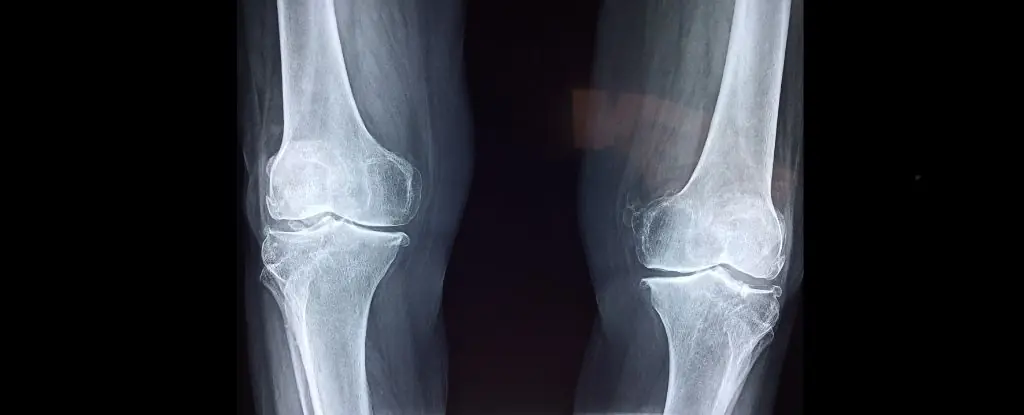
A Condition That Requires Serious Attention
Osteoporosis may be silent, but it is far from harmless. Because it progresses without pain and reveals itself only when damage is severe, it requires proactive attention long before symptoms appear. The key is early diagnosis, healthy lifestyle choices, and long-term bone care.