Lead Poisoning from a Thermos: A Serious Health Warning and 3 Types of Drinks You Should Never Store Inside
A recent health concern has drawn attention to a dangerous issue many people overlook: improper use of certain thermoses can lead to lead contamination. In rare but serious cases, prolonged exposure to lead has been linked to severe neurological damage, including brain atrophy.
While this does not mean every thermos is unsafe, it highlights an important truth—how you use and store beverages in certain containers matters more than most people realize.
How can a thermos cause lead exposure?
Some low-quality or damaged thermoses may contain lead-based solder in the sealing areas. When the protective layer breaks down over time—especially with heat, acidity, or long storage—the lead can potentially leach into the liquid inside.
Lead is a toxic heavy metal. Even small amounts, if consumed repeatedly over time, can accumulate in the body and affect the nervous system, kidneys, and brain.
A serious reminder: the health risk of lead exposure
Lead poisoning does not usually happen from a single exposure. Instead, it builds up gradually. Over time, it may contribute to symptoms such as:
- Memory problems
- Fatigue
- Headaches
- Mood changes
- In severe cases, neurological damage
This is why prevention—especially in daily habits like drink storage—is extremely important.
3 types of drinks you should never store in a thermos
Not all beverages interact with container materials in the same way. Some are more likely to increase the risk of leaching harmful substances if the thermos is old or low-quality.
1. Acidic drinks (fruit juices, lemon water, citrus drinks)

Acidic liquids can accelerate the breakdown of protective layers inside a thermos. Drinks like orange juice, lemon water, or vinegar-based beverages may increase the risk of metal leaching if stored for long periods.
Safer alternative: Store acidic drinks in glass containers instead.
2. Carbonated beverages (soda, sparkling drinks)
Carbonation increases pressure inside a sealed container. This pressure, combined with acidity, may stress the internal lining of some thermoses.
Safer alternative: Always keep carbonated drinks in their original bottles or cans.
3. Dairy-based drinks (milk, protein shakes)
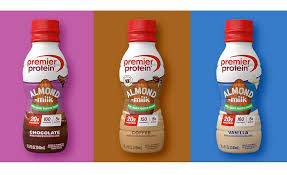
Milk and protein drinks spoil quickly and can become more acidic over time. When stored in a warm or poorly sealed thermos, they not only pose a food safety risk but may also interact with the container material.
Safer alternative: Keep dairy products refrigerated and consume them fresh.
How to stay safe when using thermoses

You don’t need to avoid thermoses completely. In fact, they are very useful for keeping drinks warm or cold. The key is proper usage:
- Choose high-quality, food-grade stainless steel thermoses
- Avoid using damaged or scratched containers
- Do not store drinks for excessively long periods
- Clean thoroughly after each use
- Avoid highly acidic or reactive beverages for long storage
Final thoughts
The reported link between thermos-related lead exposure and serious health effects serves as a reminder of how everyday objects can impact our health in unexpected ways.
While the risk is generally low with modern, well-made thermoses, awareness is essential. Choosing the right container and understanding what you store in it can make a meaningful difference in protecting your long-term health.