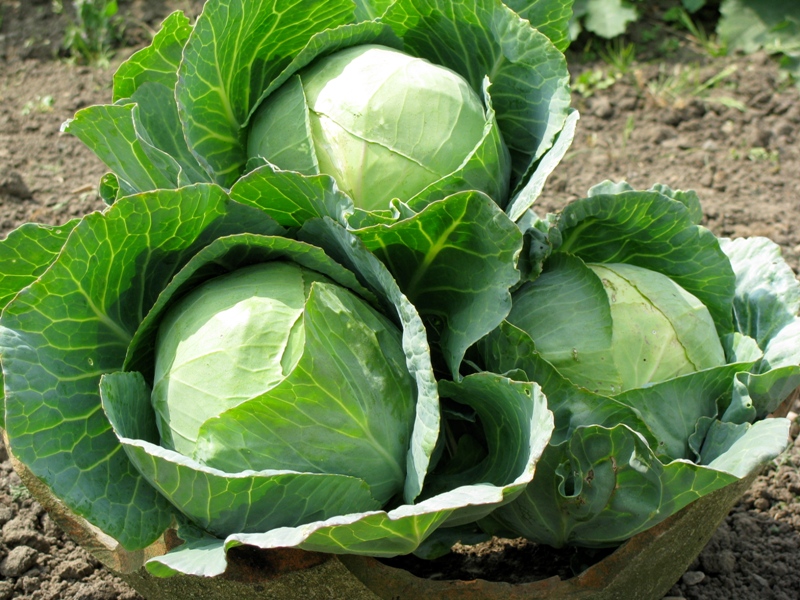
Cabbage is a widely consumed vegetable known for its affordability, versatility, and impressive nutritional profile. It contains fiber, vitamins such as vitamin C and K, and various plant compounds that support overall health.
However, like many foods, cabbage may not be suitable for everyone in all situations. While it offers many benefits, certain individuals may need to consume it in moderation or adjust how they eat it.
Here are 6 types of people who may want to be careful with cabbage, along with practical considerations.
🧠 1. People with Sensitive Digestion
Cabbage is high in fiber and contains compounds that can be difficult to digest for some individuals.
You may notice:
- Bloating
- Gas
- Abdominal discomfort
👉 This is especially common when cabbage is eaten raw.
Tip:
- Try cooking cabbage instead of eating it raw
- Start with small portions
🦠 2. People Prone to Gas or Bloating
Cabbage contains natural compounds that can produce gas during digestion.
👉 For some people, this may lead to:
- Increased bloating
- Digestive discomfort
Tip:
- Pair cabbage with other easily digestible foods
- Avoid eating large amounts at once
⚖️ 3. People with Thyroid Concerns (When Consumed Excessively)
Cabbage belongs to the cruciferous vegetable family.
When eaten in very large amounts—especially raw—it may affect how the body uses iodine.
👉 This could be relevant for individuals with certain thyroid conditions.
Important:
- Moderate intake is generally fine
- Cooking reduces this effect

💊 4. People Taking Certain Medications
Cabbage contains vitamin K, which plays a role in blood clotting.
👉 This may be relevant for people taking medications that affect blood clotting.
Tip:
- Maintain a consistent intake rather than sudden changes
- Consult a healthcare professional if needed
🍽️ 5. People with Specific Digestive Conditions
Individuals with certain digestive sensitivities may find cabbage difficult to tolerate.
👉 For example:
- Irritable digestion patterns
- Sensitivity to high-fiber foods
Tip:
- Monitor how your body responds
- Adjust portion size and preparation method
⚠️ 6. People Who Eat It in Excess
Even healthy foods can cause issues when consumed in very large amounts.
👉 Eating too much cabbage may:
- Lead to digestive discomfort
- Affect nutritional balance
Tip:
- Include cabbage as part of a varied diet
- Avoid relying on a single food too heavily
💡 How to Enjoy Cabbage More Comfortably
If you want to include cabbage in your diet without discomfort:
- Cook it instead of eating it raw
- Start with small portions
- Combine it with other foods
- Avoid overeating
👉 Preparation and portion control make a big difference.
⚠️ Important Reminder
- Cabbage is a healthy food for most people
- These considerations do not mean you need to avoid it completely
- Individual responses can vary
🧠 Final Thoughts
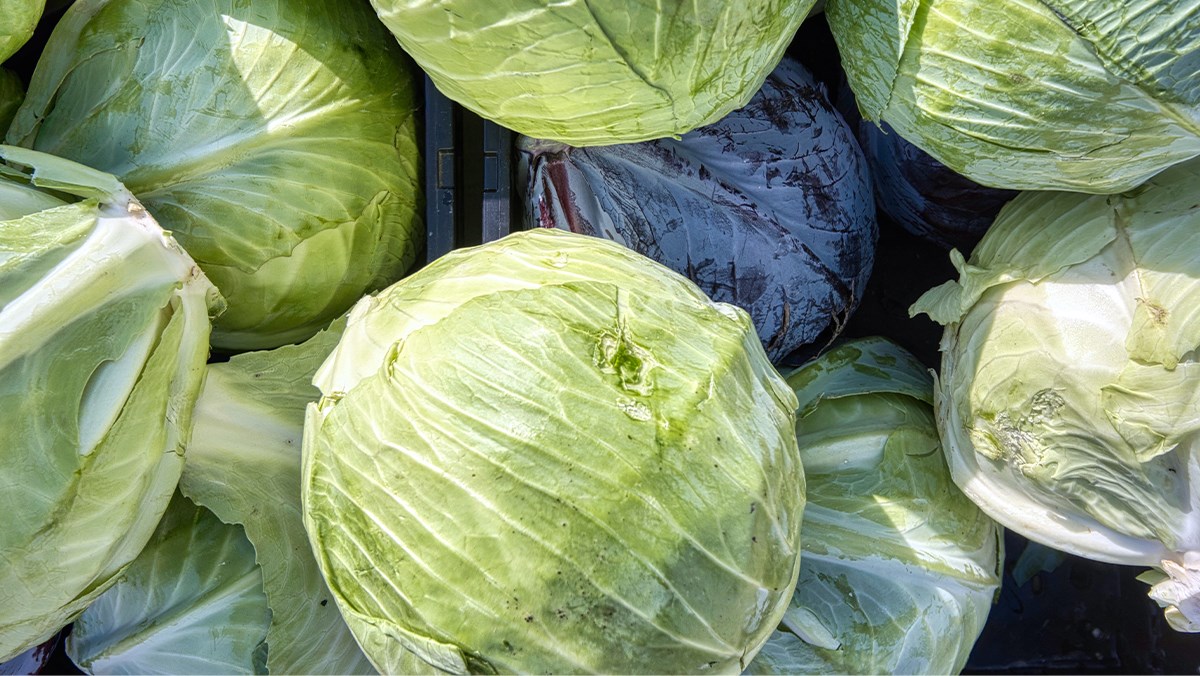
Cabbage offers many nutritional benefits, but it’s important to understand how it fits into your individual needs. Paying attention to your body and making small adjustments can help you enjoy its benefits without discomfort.
👉 Health is not about avoiding foods - it’s about balance and awareness.
By choosing the right portion, preparation method, and frequency, cabbage can remain a valuable part of a well-rounded diet.