
Both Husband and Wife Suffered Back Pain—Doctors Discover Their Bones Were Being “Eroded” by a Hidden Culprit Found in Many Homes
Couple’s Back Pain Reveals Shocking Hidden Disease
Health 10/04/2026 03:06
Daily Coffee: What Surprising Changes Occur in Your Body? Doctors Reveal the Effects
For millions of people around the world, coffee is more than just a drink — it’s a daily ritual. The aroma of freshly brewed coffee can boost your mood, improve alertness, and help start the day with energy. But have you ever wondered what actually happens inside your body when you drink coffee every day?
Doctors and nutrition experts have studied coffee extensively, and the results show that moderate coffee consumption can have several interesting effects on the body. Some are beneficial, while others depend on how much coffee you drink and your individual sensitivity to caffeine.
Here are some surprising ways daily coffee consumption may affect your body.

One of the most well-known effects of coffee is improved alertness. Coffee contains caffeine, a natural stimulant that affects the central nervous system.
Caffeine works by blocking adenosine, a neurotransmitter that makes you feel tired. As a result, brain activity increases and you may feel more awake, focused, and energetic.
This is why many people rely on coffee to help them concentrate during work or study.
Several studies suggest that moderate coffee consumption may support certain aspects of brain health.
Caffeine may temporarily improve:
Memory
Reaction time
Mental focus
Mood
Some research also suggests that long-term coffee consumption may be associated with a lower risk of certain neurological conditions, though more studies are still needed to fully understand this relationship.

Coffee may also influence how your body burns energy.
Caffeine can slightly increase metabolic rate and stimulate the breakdown of fat cells. This is one reason caffeine is commonly included in some weight-management supplements.
However, the metabolic boost is usually modest and should not be relied upon as a primary weight-loss strategy.
In the past, coffee was often thought to be harmful to the heart. However, more recent research suggests that moderate coffee consumption may actually support cardiovascular health for many people.
Some studies have linked moderate coffee intake to a lower risk of certain heart conditions. Coffee also contains antioxidants that may help reduce inflammation and protect blood vessels.
Still, excessive caffeine intake may increase heart rate or blood pressure in sensitive individuals.
The liver appears to benefit from moderate coffee consumption.
Research suggests that people who drink coffee regularly may have a lower risk of certain liver conditions. Coffee has been associated with improved liver enzyme levels and reduced liver inflammation in some studies.
Because of these findings, many experts consider coffee one of the more liver-friendly beverages when consumed in moderation.

Coffee can stimulate the digestive system.
For some people, drinking coffee may trigger bowel movements because it encourages the muscles of the digestive tract to contract. This effect can be helpful for individuals who experience occasional constipation.
However, coffee may also increase stomach acid production, which can lead to discomfort or heartburn in sensitive individuals.
While coffee can help increase alertness during the day, drinking it too late may interfere with sleep.
Caffeine can remain in the body for several hours, potentially affecting the ability to fall asleep or stay asleep.
Doctors often recommend limiting caffeine intake in the afternoon or evening, especially for individuals who are sensitive to stimulants.
Coffee may influence mood by stimulating the release of certain neurotransmitters in the brain.
Some people report improved mood and reduced feelings of fatigue after drinking coffee. This may be linked to caffeine’s effects on dopamine and other brain chemicals involved in motivation and pleasure.
However, excessive caffeine consumption can sometimes cause anxiety or restlessness.
For most healthy adults, experts generally consider moderate coffee consumption to be around two to four cups per day.
Individual tolerance varies, so some people may prefer smaller amounts to avoid side effects such as jitteriness, rapid heartbeat, or sleep disturbances.
Pregnant women and individuals with certain medical conditions may need to limit caffeine intake and should consult a healthcare professional for personalized guidance.
Coffee is one of the most widely consumed beverages in the world, and when enjoyed in moderation, it may offer several potential benefits. From increased alertness and improved mood to possible support for brain and liver health, daily coffee consumption can have a variety of effects on the body.
However, balance is key. Drinking too much caffeine may lead to unwanted side effects, while moderate consumption can allow you to enjoy coffee’s benefits without disrupting your overall health.
For many people, a daily cup of coffee can remain a simple and enjoyable part of a healthy lifestyle. ☕
Couple’s Back Pain Reveals Shocking Hidden Disease

What Happens If You Use Banana Peels Like This?

The Hidden Health Secret Growing in Your Backyard

It Appeared Overnight—But It’s Not What You Think
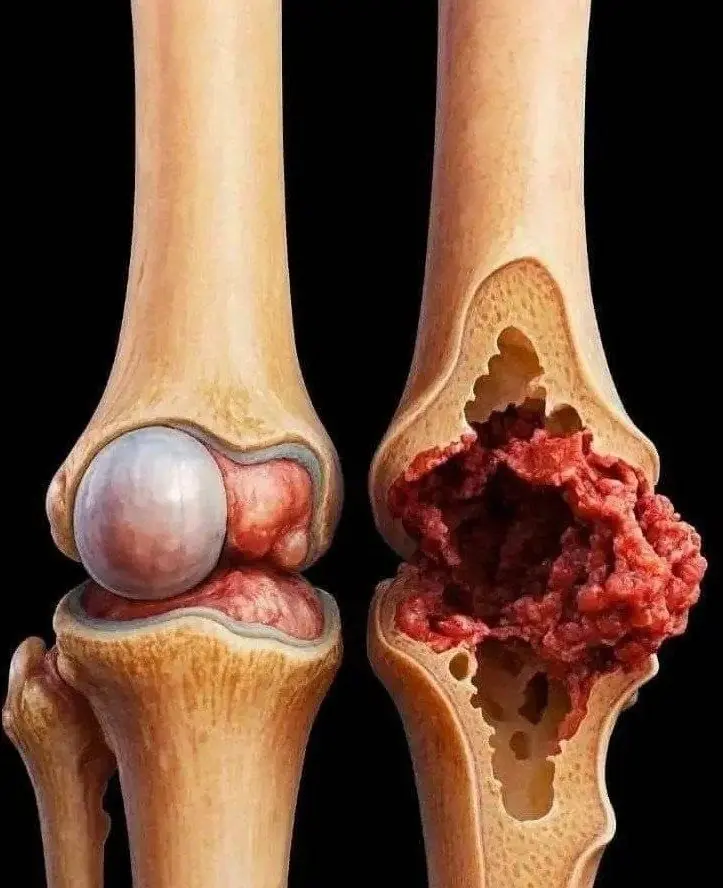
One Night Can Lead to Long-Term Consequences

Those stripes on your nails could indicate more than just a cosmetic issue

You Might Be Eating Too Much Sugar Without Realizing It
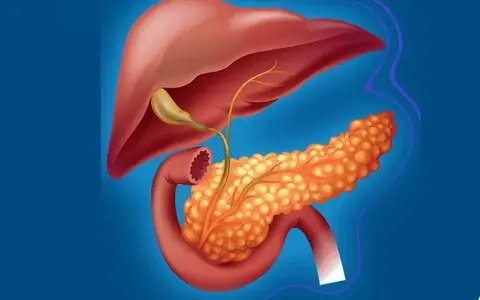
Strange Symptoms That May Indicate Gallbladder Trouble

10 Early Signs of Can.cer in Women That Shouldn’t Be Missed

Transform bruised avocados into healthy oil without spending a fortune!

People Are Rubbing Garlic on Their Skin—Here’s Why

Everyone loves corn, but few realize that corn silk packs a surprising punch.

Corn is a treat, but its silky threads conceal remarkable secrets most don’t know.

Unsafe chicken consumption may lead to severe and life-threatening risks.

These Common Foods Could Be More Dangerous Than You Think

Eat Peanuts Daily and This Is What Happens to Your Body

Why Do Your Bre.asts Change Size? The Answer Might Surprise You

Your Face Is Trying to Tell You Something—Are You Listening?
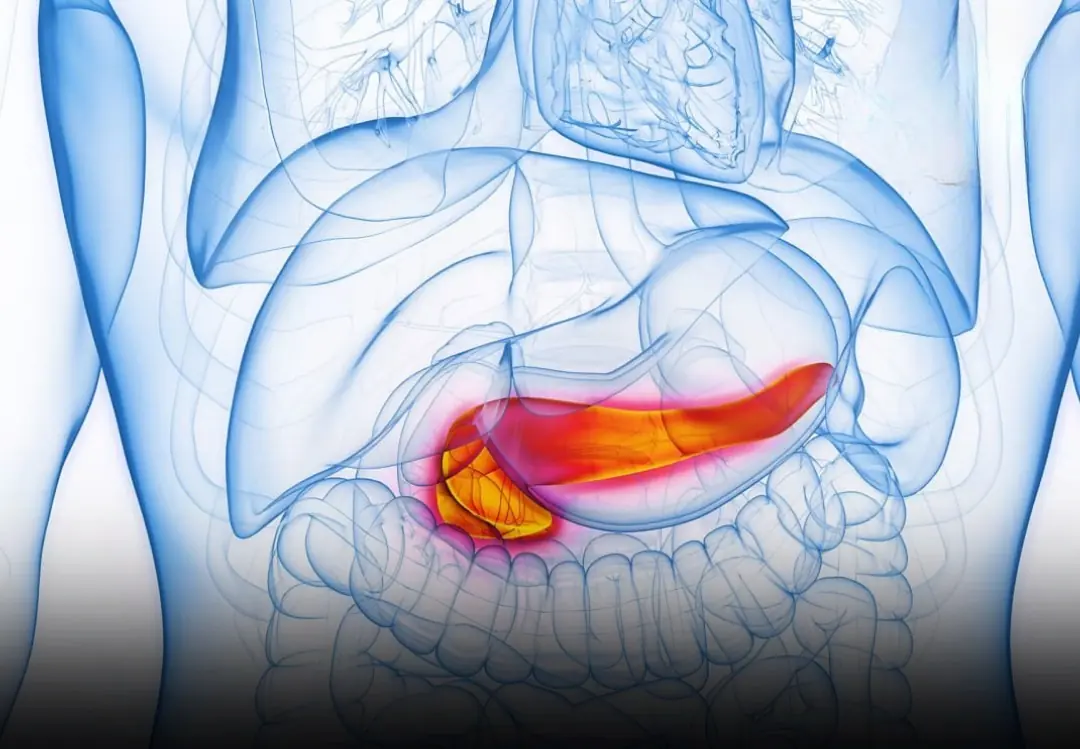
Pancreatic Cancer: Why Early Detection Matters & Signs You Shouldn’t Ignore

Think They’re Harmless? These 6 Foods Quietly Steal Calcium From Your Bones

You’ve Been Throwing This Away Your Whole Life
Couple’s Back Pain Reveals Shocking Hidden Disease

Clear Your Throat Naturally With These Tips
What Happens If You Use Banana Peels Like This?
The Hidden Health Secret Growing in Your Backyard
It Appeared Overnight—But It’s Not What You Think
One Night Can Lead to Long-Term Consequences

These Common Habits Might Be Hurting Your Relationships
Those stripes on your nails could indicate more than just a cosmetic issue
You Might Be Eating Too Much Sugar Without Realizing It
Strange Symptoms That May Indicate Gallbladder Trouble
10 Early Signs of Can.cer in Women That Shouldn’t Be Missed
Transform bruised avocados into healthy oil without spending a fortune!
People Are Rubbing Garlic on Their Skin—Here’s Why
Everyone loves corn, but few realize that corn silk packs a surprising punch.

Use white vinegar with fabric softener to handle everyday cleaning challenges and save more money
Corn is a treat, but its silky threads conceal remarkable secrets most don’t know.

Discover the best time to drink coconut water and why it matters

The healing and ecological effects of mimosa leaves revealed
Unsafe chicken consumption may lead to severe and life-threatening risks.