A Common Sign That May Be Linked to Fatty Liver Disease
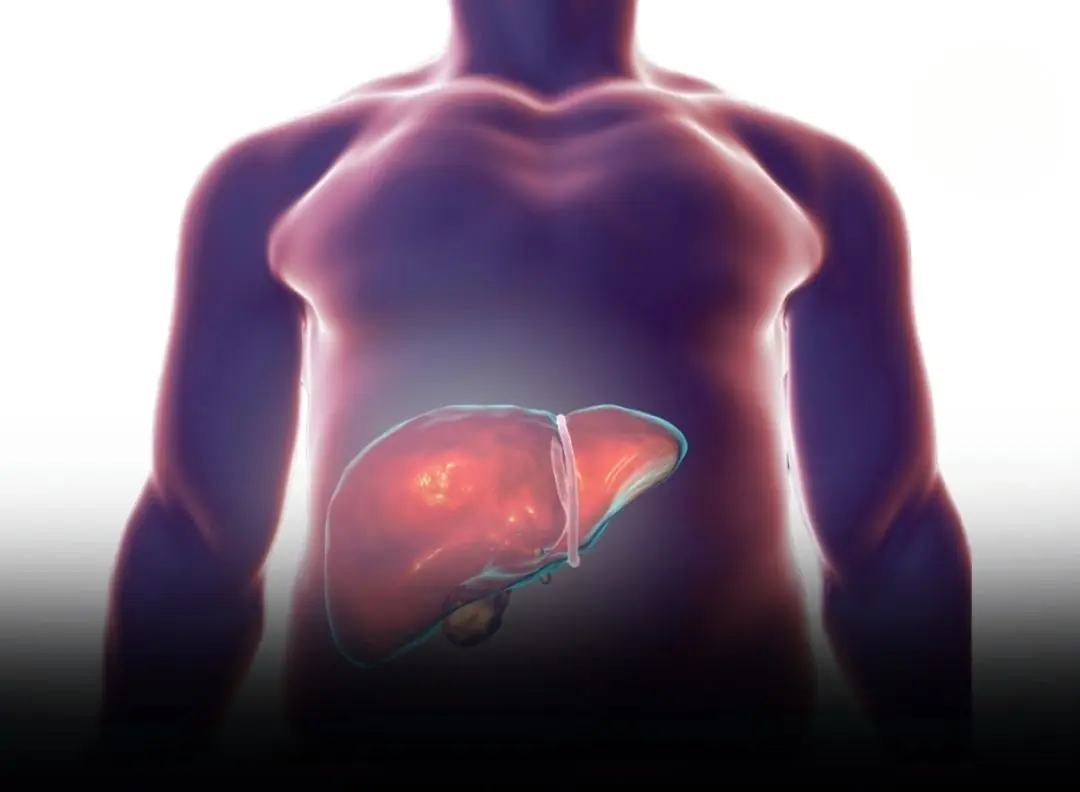
Fatty liver disease has become one of the most common liver conditions worldwide, largely due to modern lifestyle factors such as poor diet, lack of physical activity, obesity, and metabolic disorders. This condition occurs when excess fat accumulates in liver cells, potentially interfering with the organ’s normal functions.
The liver plays a critical role in detoxifying the body, processing nutrients, regulating metabolism, and producing important proteins. When fat builds up in the liver over time, it may lead to inflammation or more serious liver conditions if not addressed.
Because fatty liver disease often develops gradually, many people may not notice symptoms in the early stages. However, the body sometimes displays subtle external signs that may suggest underlying liver stress.
Understanding Fatty Liver Disease


Fatty liver disease occurs when fat accounts for more than 5–10% of the liver’s weight. There are two main types:
Non-alcoholic fatty liver disease (NAFLD) – commonly linked to obesity, insulin resistance, and metabolic syndrome.
Alcohol-related fatty liver disease – associated with excessive alcohol consumption.
In many cases, fatty liver disease may remain silent for years before causing noticeable health problems.
Skin Changes That May Sometimes Be Linked to Liver Issues

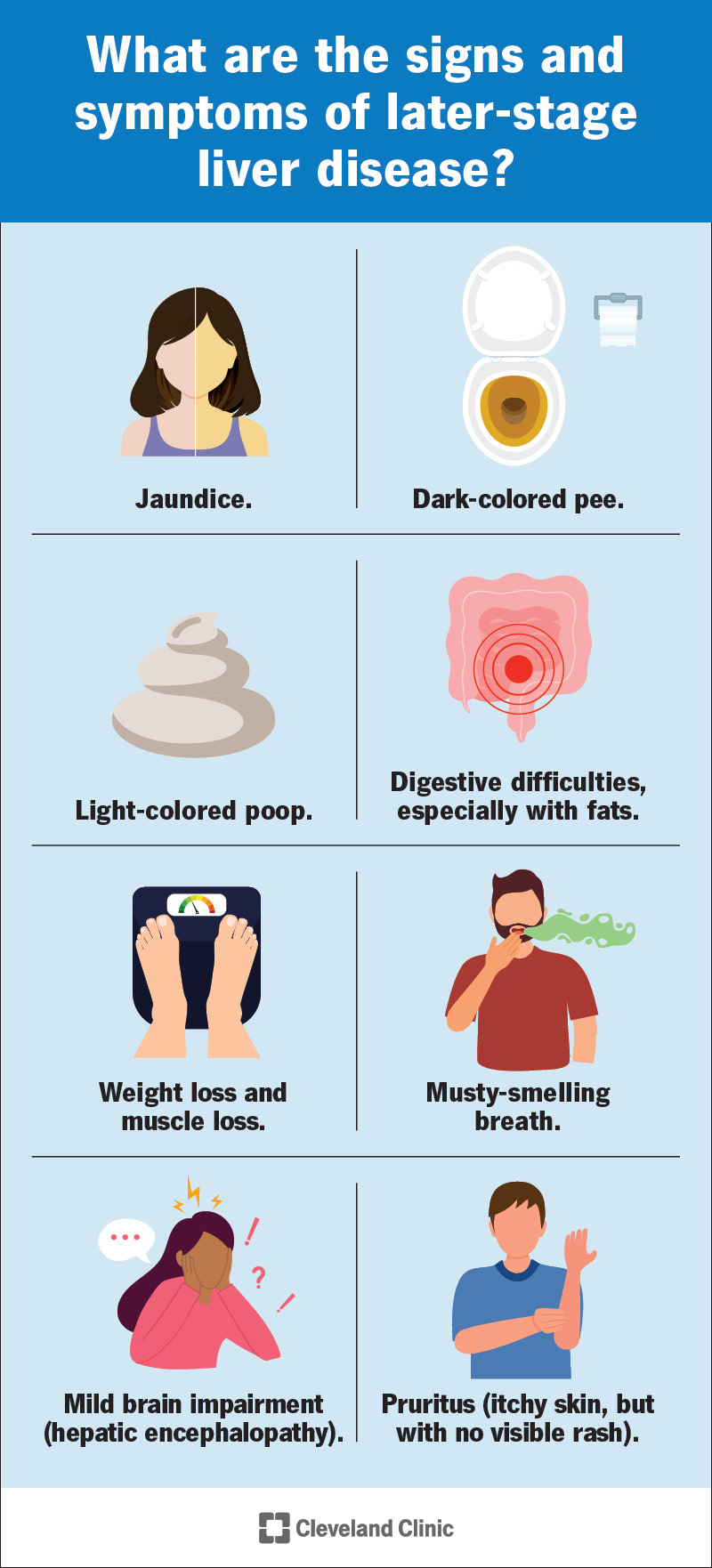

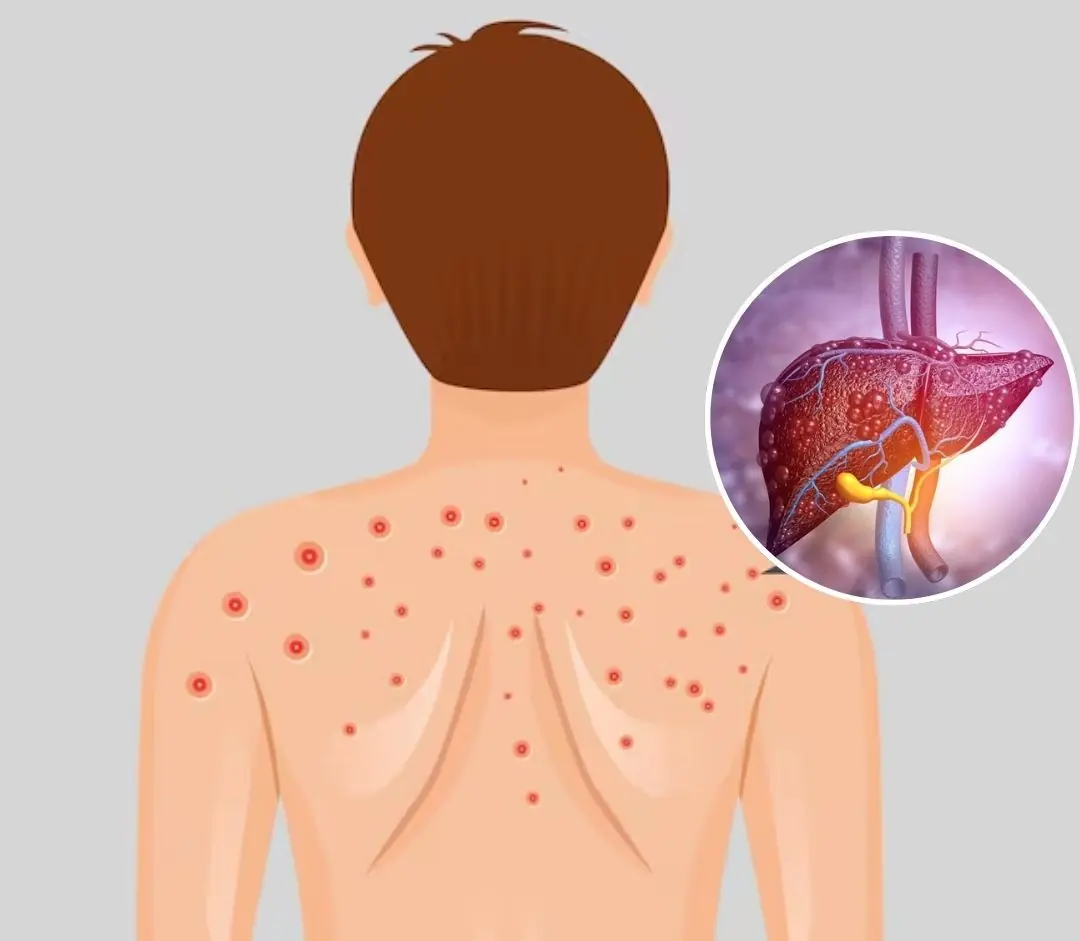
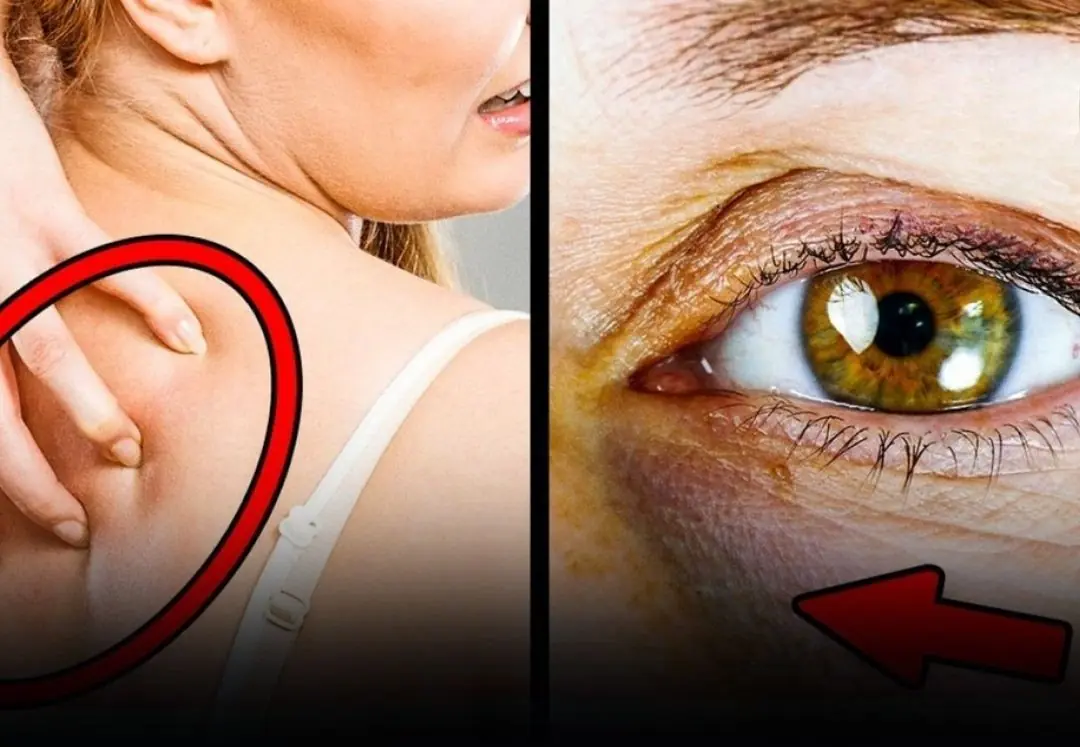
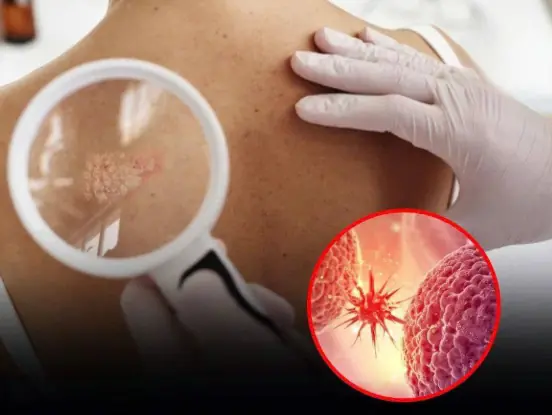
Some individuals with liver problems may experience changes in their skin, including itching or unusual spots. The liver helps remove toxins from the bloodstream, and when its function is impaired, certain substances may accumulate in the body.
This buildup can sometimes lead to skin irritation or itching, which may appear on the back, arms, or other parts of the body.
However, skin changes can occur for many reasons, including allergies, infections, or dermatological conditions. Therefore, these symptoms alone do not necessarily indicate liver disease.
Other Possible Symptoms of Fatty Liver Disease
In many cases, fatty liver disease causes few or no noticeable symptoms. When symptoms do appear, they may include:
-
Fatigue
-
Mild discomfort in the upper right abdomen
-
Unexplained weight changes
-
Elevated liver enzymes in blood tests
Because symptoms are often subtle, fatty liver disease is frequently discovered during routine medical examinations or imaging tests.
Risk Factors for Fatty Liver Disease
Several factors may increase the risk of developing fatty liver disease, including:
-
Overweight or obesity
-
High cholesterol or triglyceride levels
-
Type 2 diabetes or insulin resistance
-
Sedentary lifestyle
-
Excessive alcohol consumption
-
Diets high in sugar or processed foods
Understanding these risk factors can help individuals make lifestyle choices that support better liver health.
How to Support Liver Health
Protecting liver health involves maintaining habits that reduce metabolic stress on the body.
Helpful lifestyle strategies include:
-
Maintaining a healthy weight
-
Eating a balanced diet rich in fruits, vegetables, and whole grains
-
Limiting sugary beverages and processed foods
-
Exercising regularly
-
Avoiding excessive alcohol intake
-
Getting regular medical checkups
Even modest lifestyle changes can significantly improve liver function and metabolic health.
Pay Attention to Changes in Your Body
Fatty liver disease is often manageable, especially when detected early. Although skin changes or itching may sometimes occur alongside liver problems, these symptoms are not specific and should always be evaluated by a healthcare professional.
If unusual symptoms persist, consulting a doctor can help determine the cause and ensure appropriate care. Early awareness and healthy lifestyle choices remain key to maintaining long-term liver health and overall well-being.