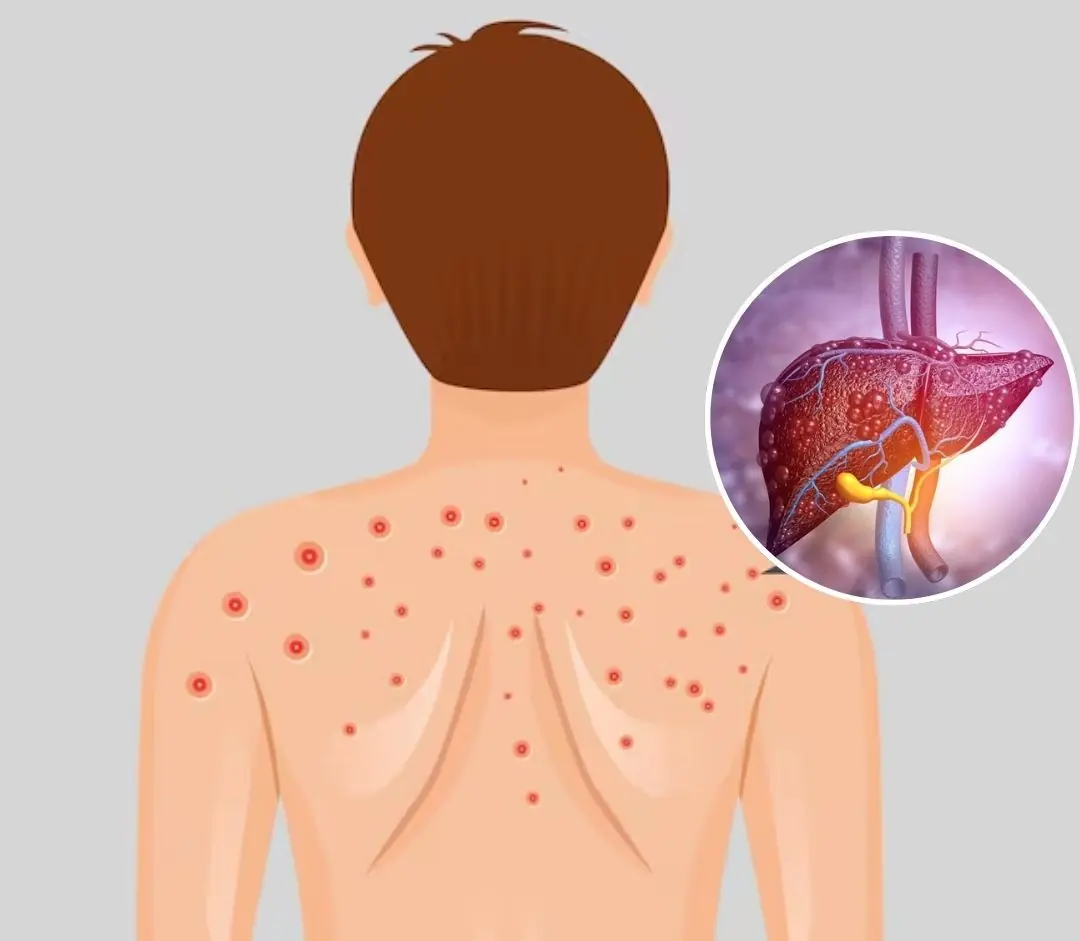
They can creep up on you!
They can creep up on you!
Health 14/03/2026 17:37
Turmeric is a bright yellow spice that has been used for thousands of years in cooking and traditional medicine. Originally native to South Asia, turmeric comes from the root of the Curcuma longa plant, which belongs to the ginger family. Today, it is widely known not only for its warm flavor and vibrant color but also for its potential health benefits.
For centuries, turmeric has played an important role in traditional wellness practices, especially in countries such as India and China. Modern scientific research has also begun to explore its properties, revealing that turmeric contains powerful natural compounds that may support overall health.
Because of its rich nutritional profile and long history of use, turmeric is often considered one of the most valuable spices in the kitchen.
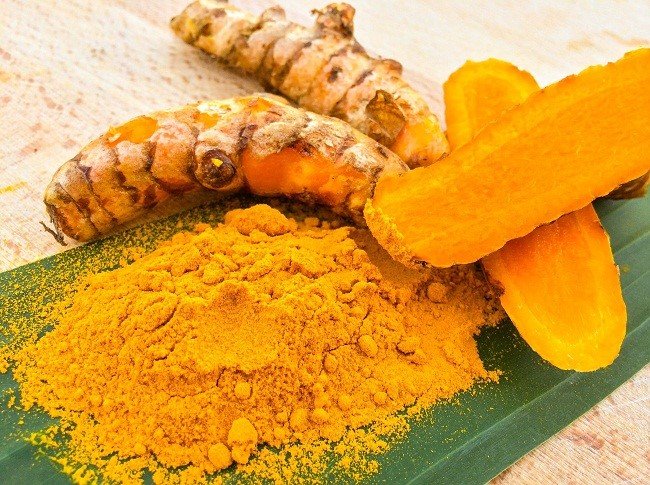
The primary compound responsible for many of turmeric’s benefits is called curcumin. Curcumin is a natural substance that gives turmeric its distinctive yellow color.
Researchers have studied curcumin for its potential antioxidant and anti-inflammatory properties. Antioxidants help protect the body from damage caused by harmful molecules known as free radicals, while anti-inflammatory compounds may help reduce certain types of inflammation in the body.
Although turmeric contains many beneficial compounds, curcumin is often considered the most significant contributor to its health-supporting effects.
Inflammation is the body’s natural defense mechanism against injury and infection. However, long-term inflammation may contribute to certain health concerns.
Curcumin found in turmeric has been widely studied for its potential role in supporting the body’s natural inflammatory response. Some research suggests that turmeric may help support joint comfort and overall wellness by helping maintain balanced inflammatory processes.
This is one of the reasons turmeric has been traditionally used in herbal remedies for generations.
Turmeric is also known for its strong antioxidant properties. Antioxidants are substances that help protect the body’s cells from oxidative stress, which occurs when free radicals accumulate in the body.
Oxidative stress has been associated with aging and various health issues. By helping neutralize these harmful molecules, antioxidants may contribute to long-term cellular health.
Including antioxidant-rich foods such as turmeric in the diet can be part of a balanced approach to maintaining overall wellness.

In many traditional practices, turmeric has been used to support digestion. The spice is believed to stimulate digestive processes and help the body break down food more effectively.
Turmeric may also help promote the production of bile, a substance produced by the liver that assists in the digestion of fats.
Because of these properties, turmeric has often been included in meals to support a comfortable digestive process.
Heart health is closely linked to factors such as inflammation, oxidative stress, and blood circulation. Some studies suggest that curcumin may help support healthy blood vessels and overall cardiovascular function.
While turmeric alone cannot replace a balanced lifestyle, its antioxidant and anti-inflammatory properties may contribute to maintaining healthy cardiovascular conditions when combined with a nutritious diet and regular physical activity.
The immune system plays a crucial role in protecting the body against infections and maintaining overall health. Turmeric contains several compounds that may help support immune function.
Its antioxidant properties may help strengthen the body’s natural defenses by protecting immune cells from oxidative damage.
In traditional wellness systems, turmeric has often been used during seasonal changes as a way to support general health.
Turmeric has also been used for centuries in skincare practices. Because of its natural antioxidant and anti-inflammatory properties, it has been included in various traditional beauty treatments.
Some people use turmeric in topical applications or masks as part of their skincare routine. The spice is believed to help promote healthy-looking skin and support the skin’s natural healing processes.
However, turmeric can stain surfaces and fabrics, so it should be used carefully in skincare preparations.
Turmeric can be easily incorporated into many everyday dishes. Its warm, slightly earthy flavor pairs well with a variety of foods.
Common ways to use turmeric include:
Adding it to soups, stews, and curries
Mixing it into rice or vegetable dishes
Blending it into smoothies
Preparing warm turmeric milk or tea
Using it as a seasoning for roasted vegetables
Some people combine turmeric with black pepper, which contains a compound called piperine that may help the body absorb curcumin more effectively.
While turmeric is generally considered safe when used in normal cooking amounts, extremely high doses of turmeric supplements may not be suitable for everyone.
Individuals who are pregnant, taking medications, or managing certain health conditions should consult a healthcare professional before taking concentrated turmeric supplements.
For most people, incorporating turmeric into meals as a spice is a safe and enjoyable way to benefit from its natural properties.
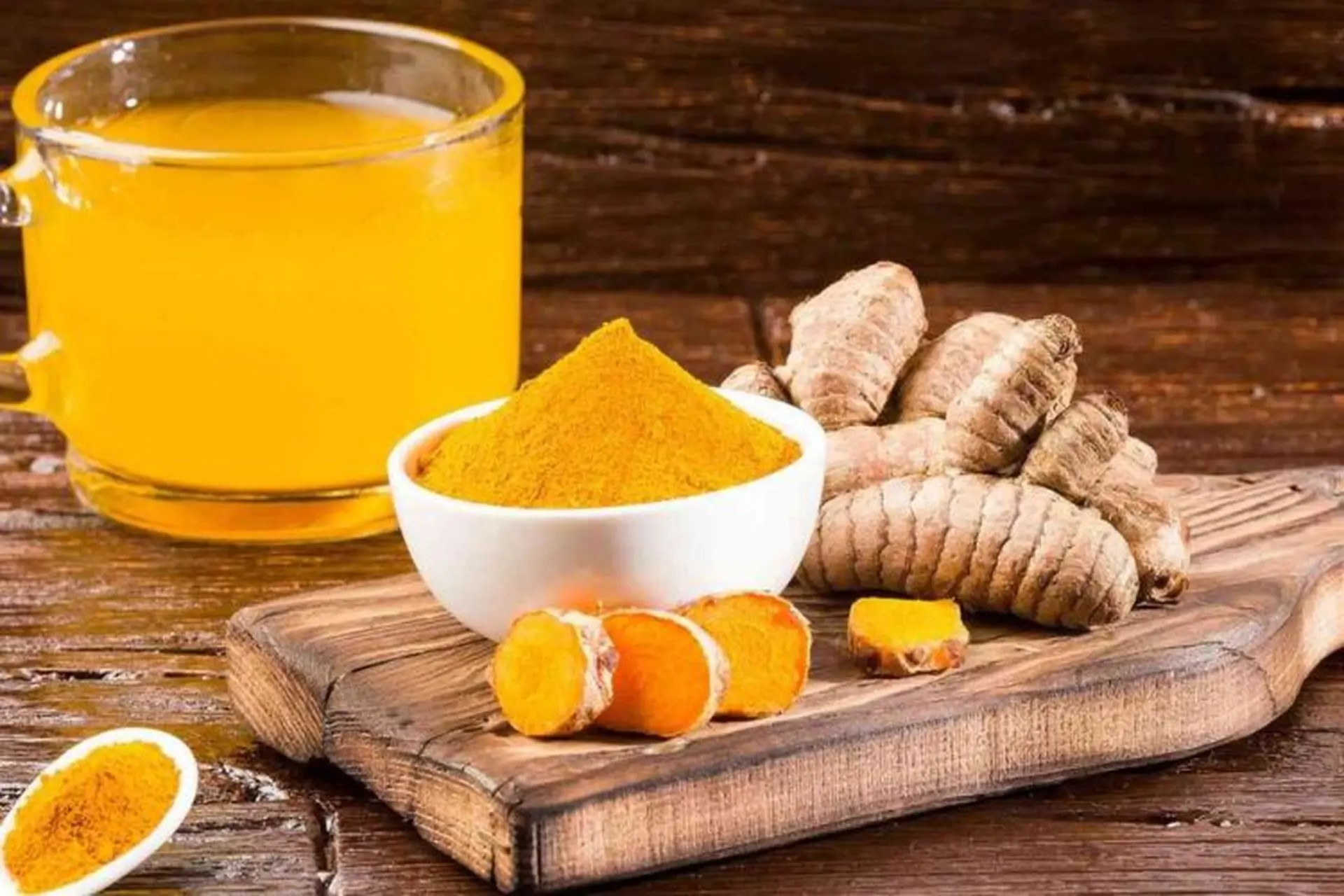
Turmeric is much more than just a flavorful spice used in cooking. Its rich history in traditional medicine and its powerful natural compounds have made it a subject of growing scientific interest.
With its antioxidant, anti-inflammatory, and digestive-supporting properties, turmeric offers a variety of potential health benefits when included as part of a balanced diet.
Although it is not a miracle cure, turmeric can be a valuable addition to everyday meals and wellness routines. Sometimes, the most powerful health-supporting ingredients are the simplest ones—found right in the kitchen.
They can creep up on you!
A Common Sign That May Be Linked to Fatty Liver Disease

4 Red Flags Your Brain May Be in Trouble — Scientists Say Alzheimer’s Can Begin Decades Earlier

5 Signs Your Body May Be Warning You That You’re Consuming Too Much Sugar

The Hidden Psychology Behind Women Crossing Their Legs
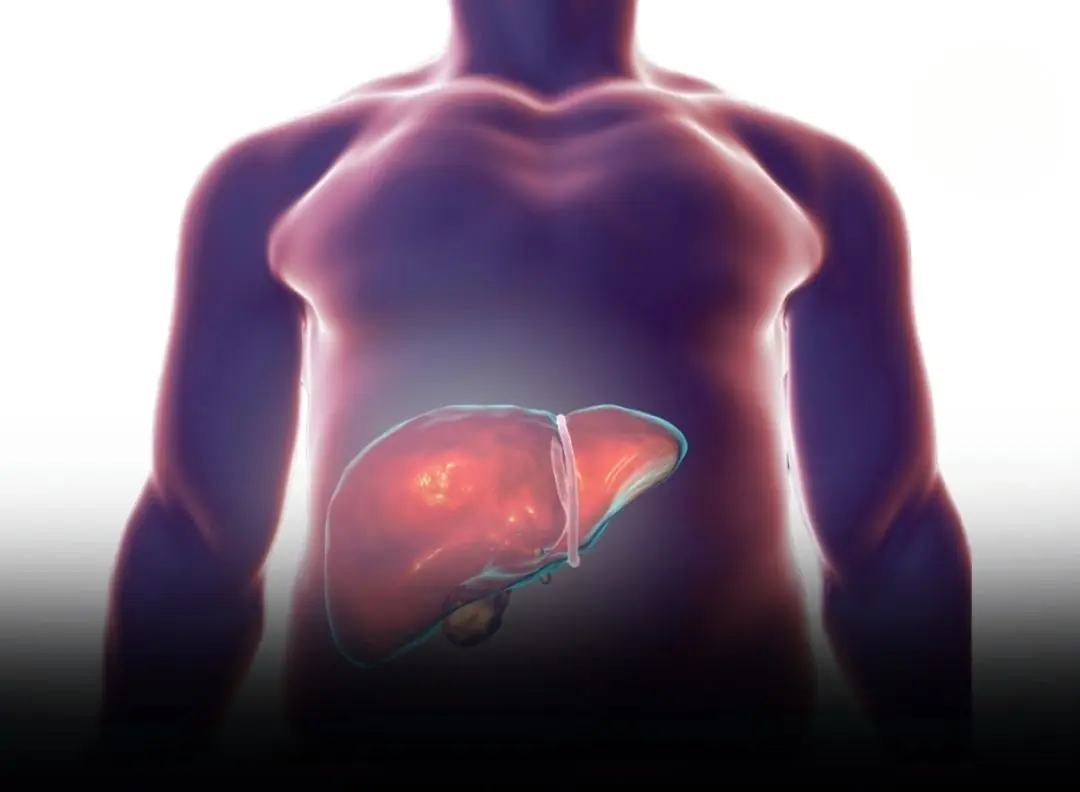
How to Know Whether a Protruding Belly Is Fat or a Sign of Liver Problems

Drink Coffee Daily? Here’s What Doctors Say Happens to Your Body

Rapamycin Reduces Lung Tumor Count by Up to 90% in Tobacco-Exposed Models....

Your Body May Be Signaling Kidney Weakness—Here’s What to Look For

How Does Staying Up Late Often Affect Your Body?

A recent tragic case involving a 50-year-old man has once again raised public awareness about the hidden dangers of consuming refrigerated leftovers.

Words matter most in grief: four things never to say at a funeral

Passing gas is a normal part of digestion. In fact, healthy people release gas between 14 and 23 times a day on average, according to the American College of Gastroenterology.

Her secrets to a long and healthy life have garnered widespread interest, blending a disciplined lifestyle with a meticulous diet.

A Cancer Warning Sign Often Mistaken for Dandruff — Why Doctors Say You Should Not Ignore It

Don’t Ignore These 20 Early Warning Signs That Your Body Could Be Fighting Can:cer

8 Early Warning Signs of Kidney Problems That Often Go Unnoticed

Drooling While Sleeping Often: What It Could Mean for Your Health

Many serious illnesses do not begin with dramatic pain or sudden collapse.
They can creep up on you!
A Common Sign That May Be Linked to Fatty Liver Disease
4 Red Flags Your Brain May Be in Trouble — Scientists Say Alzheimer’s Can Begin Decades Earlier
5 Signs Your Body May Be Warning You That You’re Consuming Too Much Sugar
The Hidden Psychology Behind Women Crossing Their Legs
How to Know Whether a Protruding Belly Is Fat or a Sign of Liver Problems
Drink Coffee Daily? Here’s What Doctors Say Happens to Your Body

More Than 90% of iPhone Users:
Rapamycin Reduces Lung Tumor Count by Up to 90% in Tobacco-Exposed Models....
Your Body May Be Signaling Kidney Weakness—Here’s What to Look For
How Does Staying Up Late Often Affect Your Body?
A recent tragic case involving a 50-year-old man has once again raised public awareness about the hidden dangers of consuming refrigerated leftovers.
Words matter most in grief: four things never to say at a funeral
Passing gas is a normal part of digestion. In fact, healthy people release gas between 14 and 23 times a day on average, according to the American College of Gastroenterology.
Her secrets to a long and healthy life have garnered widespread interest, blending a disciplined lifestyle with a meticulous diet.
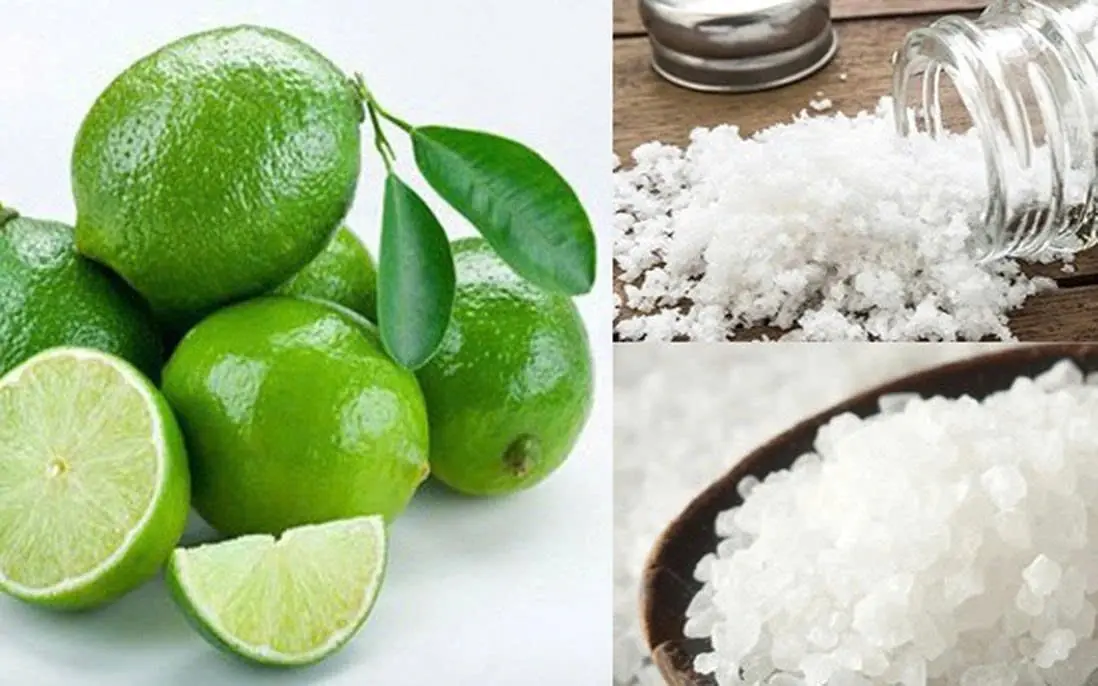
The Surprising Benefits of Placing Lemon with Salt in Your Room
A Cancer Warning Sign Often Mistaken for Dandruff — Why Doctors Say You Should Not Ignore It

Should You Leave the Bathroom Door Open After Using It?
Don’t Ignore These 20 Early Warning Signs That Your Body Could Be Fighting Can:cer