A Big Belly Doesn’t Always Mean Fat: How to Tell the Difference Between Belly Fat and Liver Disease
Many people assume that a growing belly is simply the result of weight gain or excess body fat. While this is often the case, abdominal enlargement can sometimes be caused by underlying health conditions, including liver problems.
The liver is one of the body’s most important organs, responsible for detoxifying harmful substances, producing essential proteins, and supporting digestion. When liver function becomes impaired, certain conditions may cause swelling in the abdominal area.
Understanding the difference between ordinary belly fat and symptoms related to liver disease is important for maintaining long-term health.
The Role of the Liver in the Body


The liver performs hundreds of vital functions, including:
-
Filtering toxins from the bloodstream
-
Processing nutrients from food
-
Producing bile to aid digestion
-
Regulating metabolism
-
Supporting immune function
When the liver becomes damaged—whether from fatty liver disease, alcohol use, infections, or other conditions—its ability to perform these functions can decline.
In advanced cases, liver problems may lead to fluid accumulation in the abdomen, a condition known as ascites.
What Causes Belly Fat?


Belly fat usually develops due to excess calorie intake and reduced physical activity. There are two main types of abdominal fat:
Subcutaneous fat – the layer of fat located just under the skin.
Visceral fat – fat that surrounds internal organs in the abdomen.
Visceral fat is particularly important because it is associated with increased risks of:
-
Heart disease
-
Type 2 diabetes
-
High blood pressure
-
Metabolic syndrome
Unlike liver-related swelling, belly fat tends to develop gradually over time.
When Abdominal Enlargement May Be Linked to Liver Problems

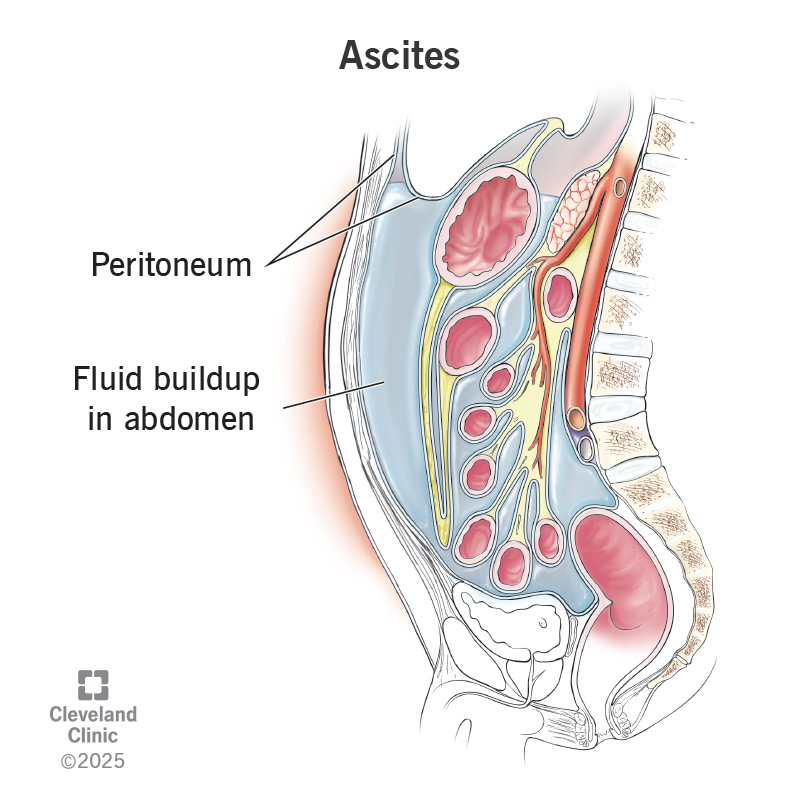

Certain liver conditions can lead to fluid accumulation in the abdominal cavity, which may cause the stomach to appear swollen or enlarged.
This condition, known as ascites, often occurs in people with advanced liver disease such as cirrhosis.
Unlike ordinary belly fat, ascites may cause the abdomen to feel:
-
Tight or firm
-
Rapidly enlarged
-
Uncomfortable or painful
In some cases, the swelling may appear suddenly rather than gradually.
Key Differences Between Belly Fat and Liver-Related Swelling
Although both conditions can cause abdominal enlargement, they often have different characteristics.
Belly Fat
-
Develops gradually
-
Soft when touched
-
Often associated with overall weight gain
-
Improves with diet and exercise
Liver-Related Swelling (Ascites)
-
May appear quickly
-
Can feel tense or tight
-
Often accompanied by other symptoms
-
Requires medical evaluation
Other Symptoms That May Indicate Liver Problems
In addition to abdominal swelling, liver disease may cause other signs such as:
-
Persistent fatigue
-
Yellowing of the skin or eyes (jaundice)
-
Loss of appetite
-
Nausea
-
Swelling in the legs or ankles
-
Easy bruising
These symptoms do not always indicate liver disease, but they may warrant medical attention if they persist.
Protecting Liver Health
Maintaining a healthy liver involves adopting lifestyle habits that support overall well-being.
Helpful strategies include:
-
Maintaining a healthy body weight
-
Limiting alcohol consumption
-
Eating a balanced diet
-
Exercising regularly
-
Managing blood sugar and cholesterol levels
-
Getting regular health checkups
These habits can help reduce the risk of fatty liver disease and other liver-related conditions.
Pay Attention to Changes in Your Body
While a larger belly is often linked to weight gain, it is important to remember that not all abdominal enlargement has the same cause. In some cases, it may be related to underlying health conditions that require medical evaluation.
Listening to your body and seeking professional advice when symptoms appear can help ensure early detection and appropriate treatment, supporting long-term health and well-being.