5 Signs Your Body May Be Warning You That You’re Consuming Too Much Sugar
Sugar is a common part of many diets around the world. It naturally occurs in foods like fruits and dairy products, but it is also added to a wide range of processed foods, beverages, and snacks. While small amounts of sugar are generally harmless, consuming excessive added sugar over time can affect various systems in the body.
Health experts have linked high sugar intake to conditions such as weight gain, metabolic imbalance, dental issues, and increased risk of chronic diseases. Because sugar can influence multiple biological processes, the body sometimes sends signals when intake becomes too high.
Recognizing these signs may help individuals make healthier dietary adjustments and maintain better overall wellness.
How Excess Sugar Affects the Body
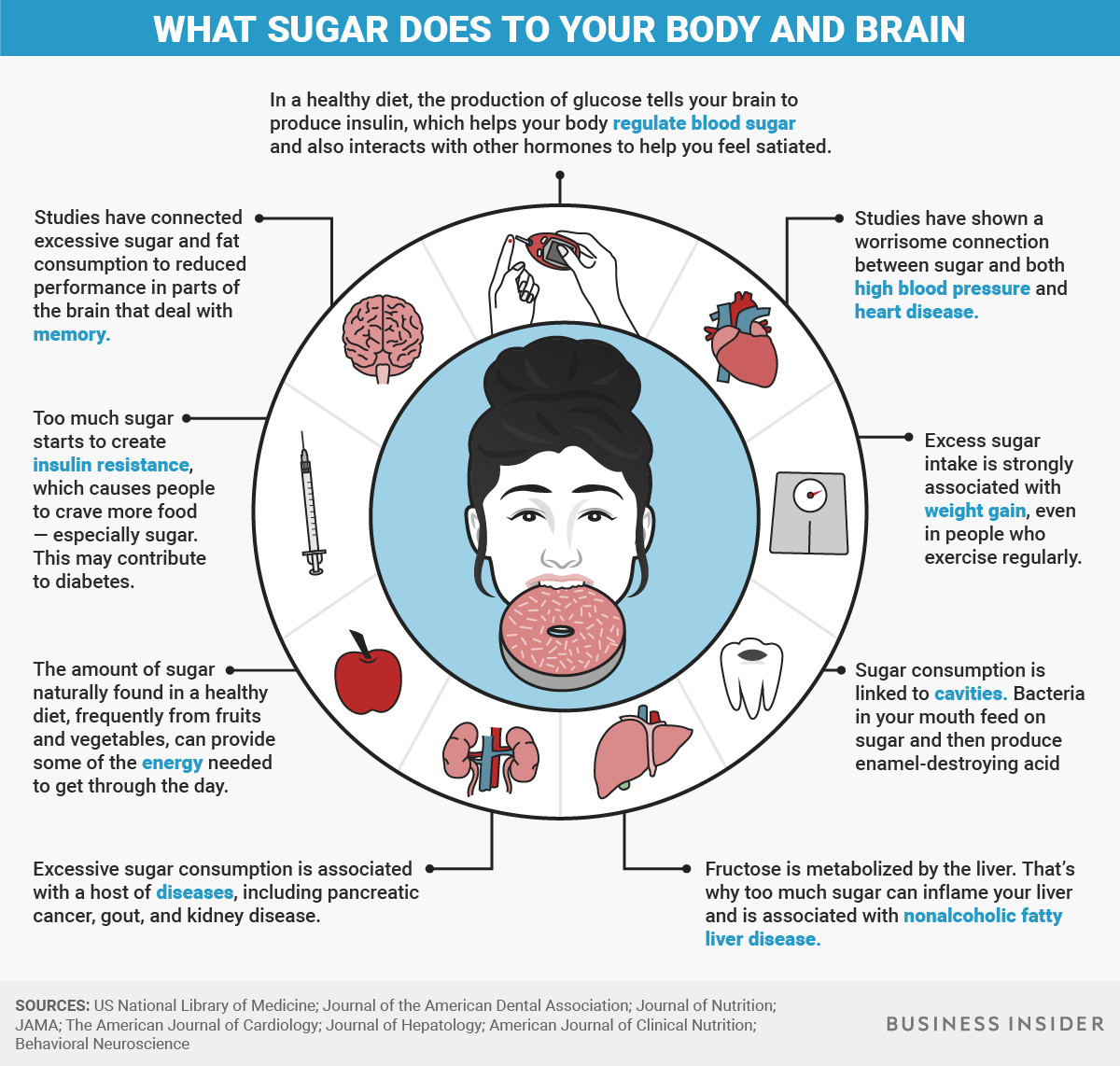


When you consume sugar, the body converts it into glucose, which enters the bloodstream and provides energy to cells. The hormone insulin helps regulate this process by allowing glucose to move into cells where it can be used for fuel.
However, frequent consumption of high-sugar foods can lead to:
-
Blood sugar fluctuations
-
Increased insulin demand
-
Energy crashes
-
Fat storage
Over time, this may place stress on the body’s metabolic systems.
1. Constant Fatigue and Energy Crashes



One common sign of excessive sugar intake is frequent fatigue or sudden drops in energy.
After consuming sugary foods, blood sugar levels can spike quickly. The body then releases insulin to bring those levels back down, sometimes leading to a rapid decline known as a sugar crash.
This cycle can cause:
-
Sudden tiredness
-
Difficulty concentrating
-
Reduced productivity
2. Frequent Skin Problems

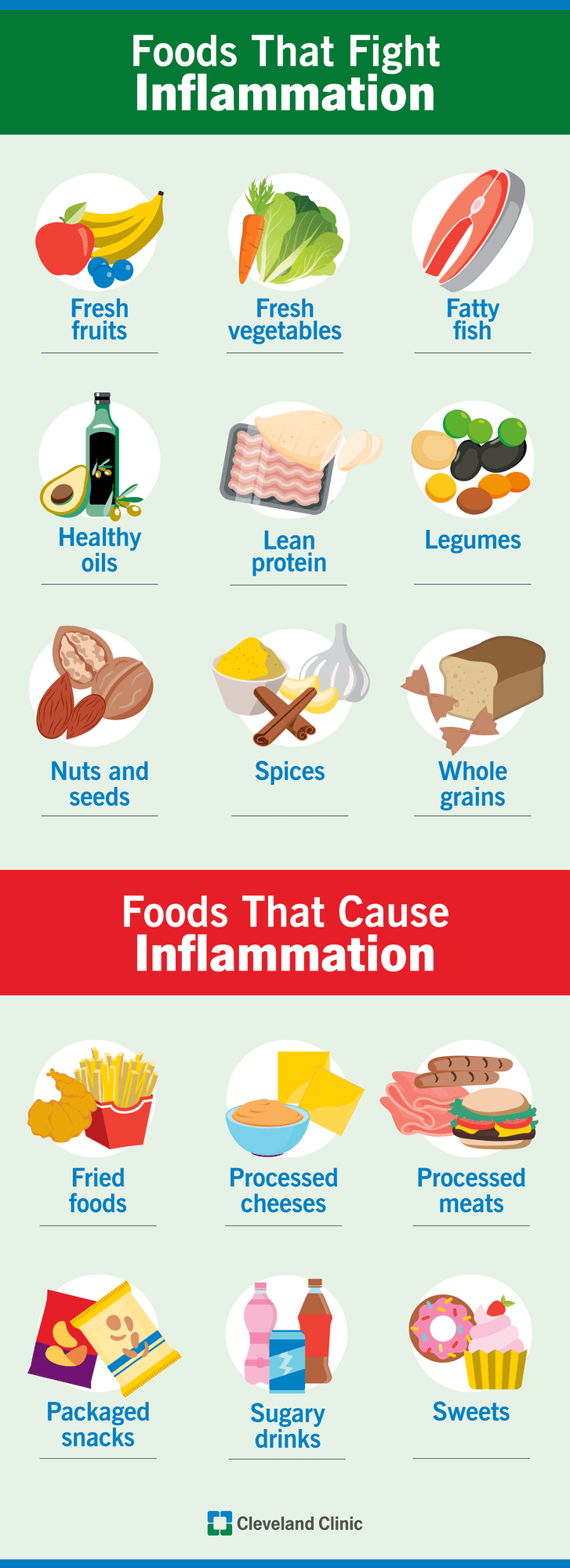

Excess sugar consumption may contribute to skin inflammation in some individuals.
High sugar intake can increase insulin levels, which may stimulate hormonal changes and increase oil production in the skin. This may contribute to:
-
Acne breakouts
-
Skin irritation
-
Premature skin aging
While many factors affect skin health, dietary habits can sometimes play a role.
3. Increased Cravings for Sweet Foods



Eating large amounts of sugar can affect the brain’s reward system.
Sugar stimulates the release of dopamine, a chemical associated with pleasure. This can lead to a cycle where individuals crave more sweet foods over time.
Signs may include:
-
Frequent cravings for sweets
-
Difficulty reducing sugary foods
-
Desire for desserts after meals
Reducing sugar intake gradually may help break this cycle.
4. Weight Gain, Especially Around the Abdomen


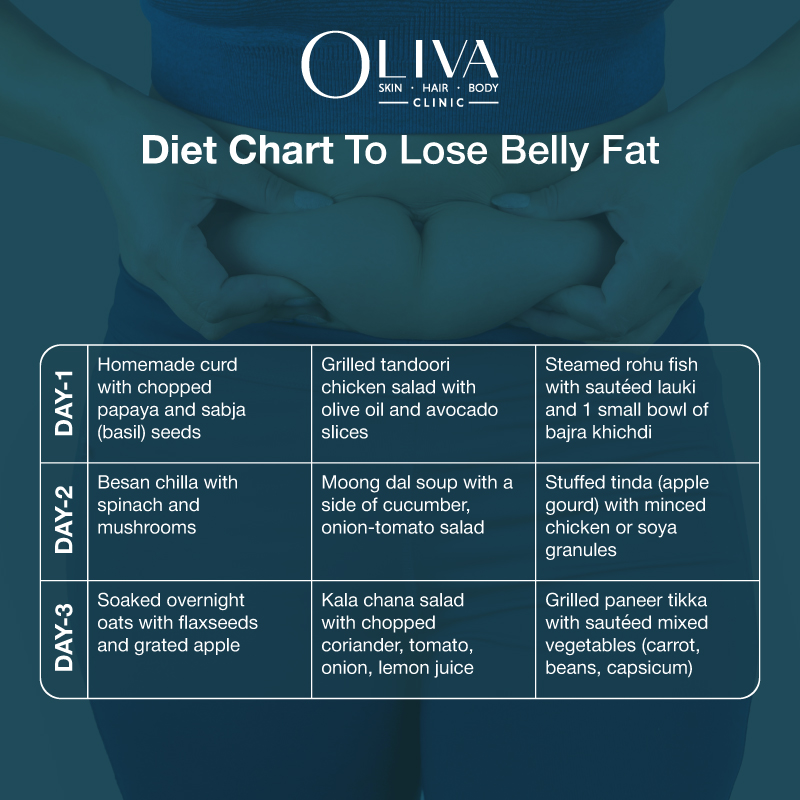
Excess sugar—especially from sweetened beverages and processed foods—can contribute to increased calorie intake.
When the body consumes more calories than it needs, the excess energy is often stored as fat. This may lead to:
-
Gradual weight gain
-
Increased visceral fat around the abdomen
-
Higher risk of metabolic conditions
Maintaining balanced nutrition helps regulate calorie intake and metabolism.
5. Dental Problems


Sugar is one of the primary contributors to tooth decay.
When sugar interacts with bacteria in the mouth, acids are produced that can damage tooth enamel. Over time, this process may lead to:
-
Cavities
-
Tooth sensitivity
-
Gum irritation
Good oral hygiene and limiting sugary foods can help protect dental health.
How to Reduce Excess Sugar Intake
Maintaining a balanced diet can help prevent the negative effects of excessive sugar consumption. Helpful strategies include:
-
Reading nutrition labels carefully
-
Reducing sugary beverages
-
Choosing whole foods over processed snacks
-
Eating more fruits, vegetables, and fiber-rich foods
-
Drinking enough water
Gradual dietary adjustments are often more sustainable than sudden drastic changes.
Listening to Your Body
The body often provides signals when something in the diet or lifestyle is out of balance. While occasional sugar consumption is generally harmless, consistently high intake may lead to noticeable physical changes.
Paying attention to these signals and making mindful choices about nutrition can support long-term health, stable energy levels, and overall well-being.