In many homes, the bathroom door is something people rarely think about after leaving the room. Some households prefer to keep the bathroom door closed for privacy, while others leave it open to allow air to circulate. Although it may seem like a small detail, whether the bathroom door is left open or closed when not in use can affect hygiene, moisture control, and indoor air quality.
Bathrooms are unique spaces in the home because they are frequently exposed to water, humidity, and temperature changes. Understanding how airflow and moisture behave in these environments can help determine the best practice for maintaining a clean and comfortable living space.
Below is a closer look at the advantages and disadvantages of leaving the bathroom door open or closed, along with helpful tips for maintaining proper ventilation.
Why Bathroom Ventilation Is Important
Bathrooms generate a large amount of moisture and humidity from showers, baths, and sinks. When warm water evaporates, it creates steam that spreads throughout the room. If this moisture is not properly removed, it can lead to several problems.
Excess humidity can cause:
-
Mold and mildew growth
-
Peeling paint or wallpaper
-
Damage to wooden surfaces
-
Unpleasant odors
Proper ventilation allows moisture to escape and helps maintain a balanced indoor environment.
Many bathrooms include exhaust fans or windows specifically designed to remove humid air. However, airflow through doors can also play a role in how quickly moisture leaves the room.
Benefits of Leaving the Bathroom Door Open
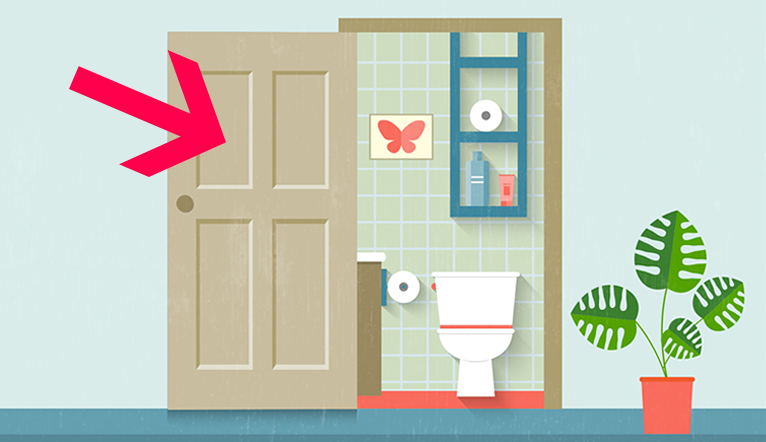
Leaving the bathroom door open after using the room can help improve air circulation. When the door is open, fresh air from the rest of the home can enter the bathroom and help carry moisture away.
This airflow may help the bathroom dry faster after showers or baths, reducing the likelihood of mold growth.
In addition, open doors can help eliminate lingering odors by allowing air to move freely through the space.
For bathrooms that lack windows or powerful ventilation fans, keeping the door open may be especially helpful in preventing humidity buildup.
Benefits of Keeping the Bathroom Door Closed
On the other hand, there are situations where keeping the bathroom door closed may be preferable.
Closing the door can help contain moisture and odors within the bathroom rather than allowing them to spread into other areas of the house. This may be particularly important in homes where bathrooms are located near living rooms, kitchens, or bedrooms.
Keeping the door closed can also provide additional privacy and maintain a cleaner appearance in shared living spaces.
In homes with strong ventilation systems, exhaust fans can remove humidity effectively without needing the door to remain open.
The Best Practice: Open the Door After Use
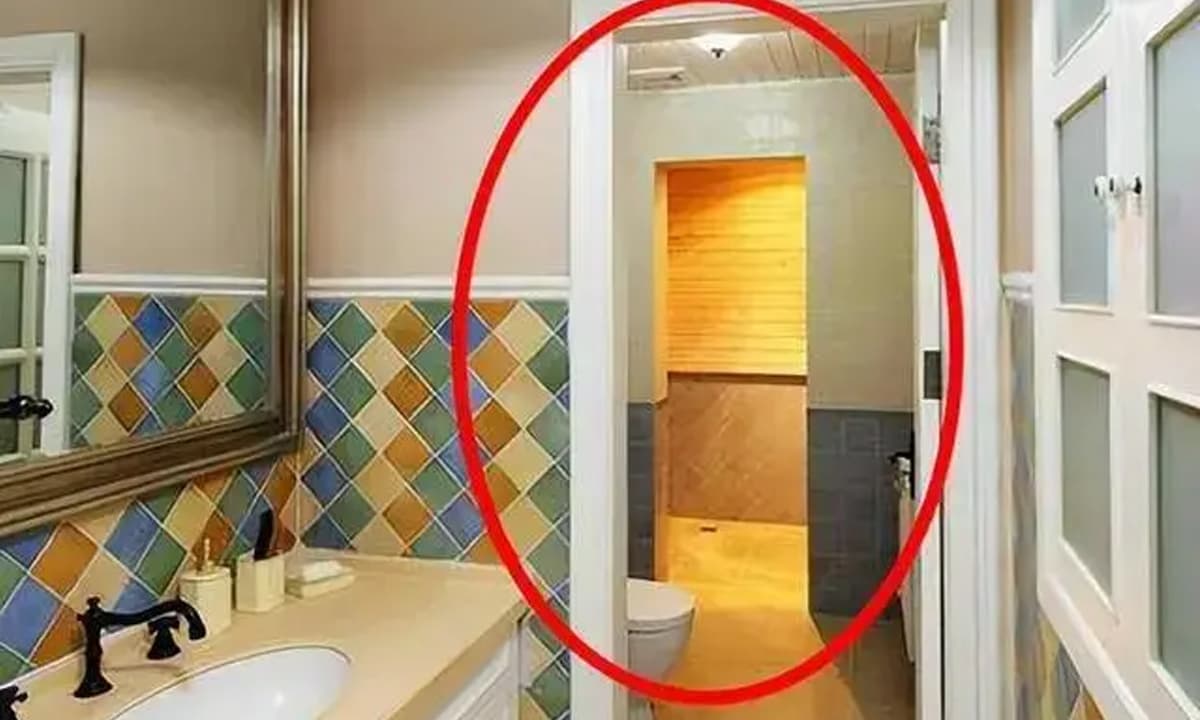
In most cases, the best approach is to open the bathroom door after using the shower or bath, especially while the room is still humid. Allowing air to circulate during this time helps moisture evaporate more quickly.
Once the bathroom has dried and fresh air has replaced the humid air, the door can be closed again if desired.
This simple habit can significantly reduce the risk of mold and mildew over time.
The Role of Exhaust Fans
Many modern bathrooms include exhaust fans designed to remove moist air directly from the room. When using the shower or bathtub, it is helpful to turn on the fan during the activity and leave it running for several minutes afterward.
Exhaust fans work best when there is a source of replacement air, which can sometimes come from the space outside the bathroom. Slightly opening the door can help the fan operate more efficiently by allowing fresh air to enter as humid air is removed.
If the fan is powerful enough, however, it may still function well with the door closed.
Other Ways to Reduce Bathroom Moisture
In addition to managing the bathroom door, several other practices can help control humidity.
For example:
-
Wipe down wet surfaces after showers
-
Hang towels so they can dry properly
-
Use moisture-resistant paint in bathrooms
-
Ensure proper ventilation through windows or fans
These steps can help maintain a healthier bathroom environment and reduce long-term moisture damage.
Considering Household Preferences
Ultimately, the decision to leave the bathroom door open or closed may also depend on household routines and preferences.
Families with pets or small children may choose to keep the door closed for safety reasons. Others may prefer the door open for ventilation or convenience.
The most important factor is ensuring that the bathroom receives adequate airflow to prevent excessive humidity and maintain cleanliness.
Final Thoughts
The question of whether to leave the bathroom door open or closed when not in use does not have a single universal answer. Both options have advantages depending on the situation.
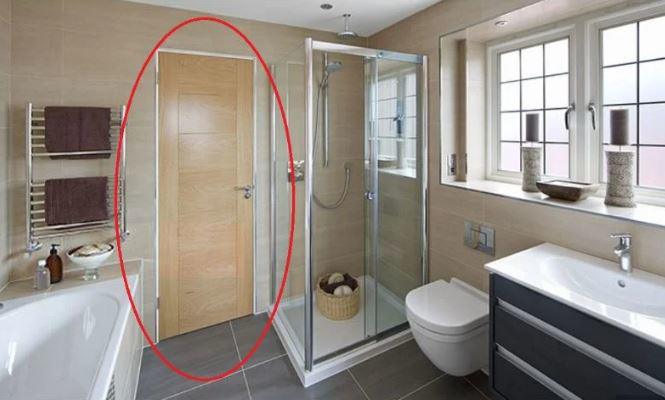
In general, opening the door after showers or baths can help improve air circulation and reduce moisture buildup. Once the room has dried, the door can be closed if preferred.
By paying attention to ventilation and maintaining good bathroom habits, homeowners can create a cleaner, healthier space while preventing long-term moisture problems. Sometimes, even small everyday choices—such as how we leave a door—can make a meaningful difference in the comfort and condition of our homes.