Home security is something many people think about, especially before going to bed at night. Locking doors, closing windows, and ensuring that the home is secure are common habits that help people feel safer. However, an unusual piece of advice occasionally circulates among security professionals: leaving the key in the door lock overnight.
At first glance, this idea may seem strange. Many people believe that removing the key from the door is safer and more organized. Yet some experts argue that, in certain situations, keeping the key inside the lock may actually provide practical advantages.
Understanding the reasoning behind this suggestion can help homeowners decide what works best for their own security situation.
The Main Idea Behind the Advice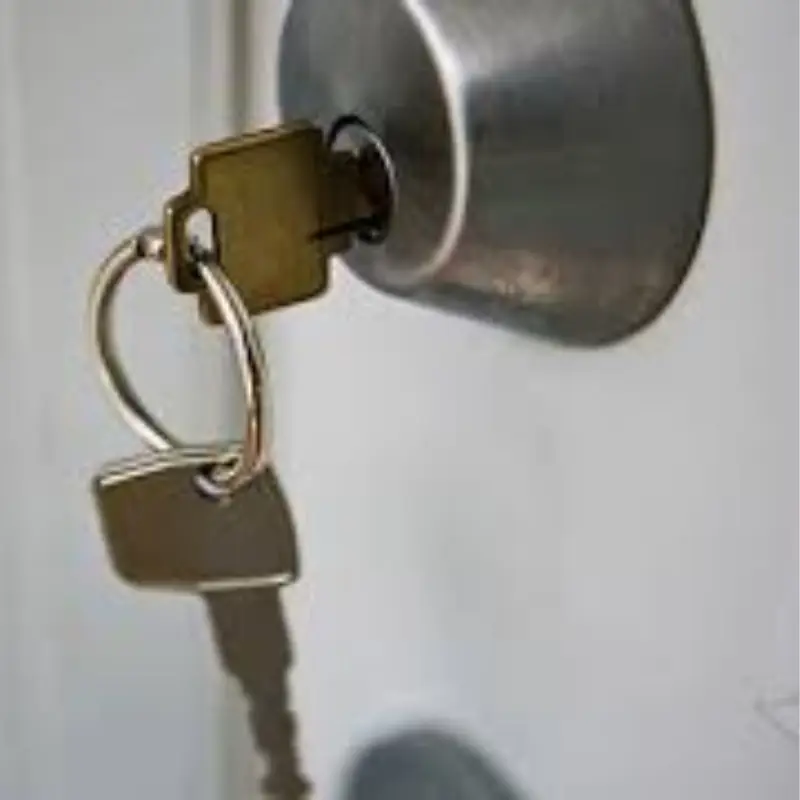
One of the main reasons experts mention leaving a key in the door is related to emergency situations. If a homeowner needs to exit the house quickly—such as during a fire or other urgent event—having the key already in the lock may make it easier to unlock the door instantly.
In stressful situations, every second matters. Searching for a key in the dark or trying to remember where it was placed could delay a quick escape.
Keeping the key in the lock can allow residents to open the door immediately without hesitation.
A Potential Deterrent for Intruders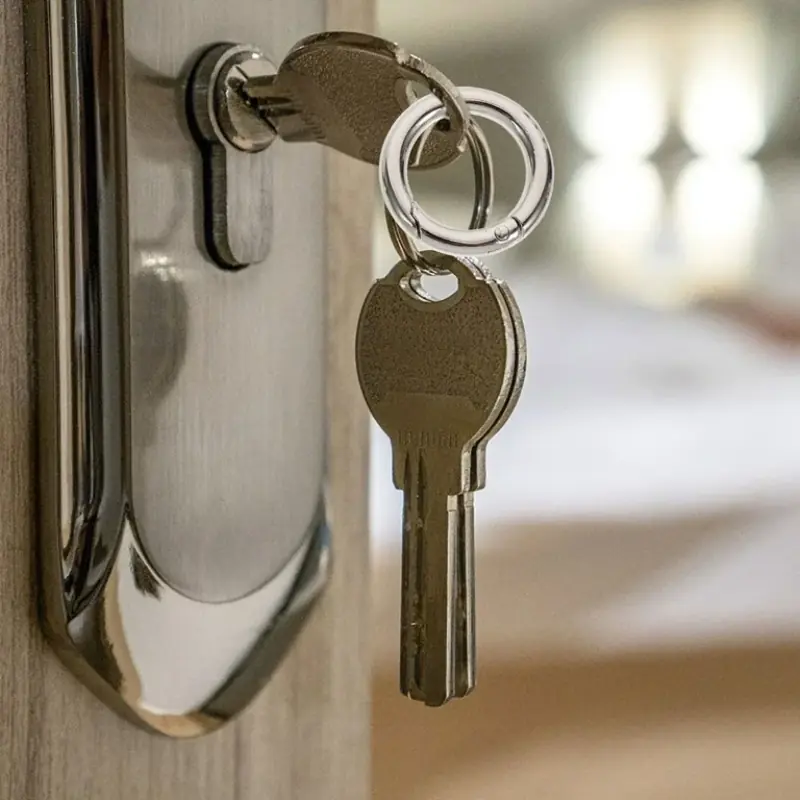
Another argument sometimes mentioned by security specialists is that a key left inside the lock can prevent certain burglary techniques.
Some burglars attempt to manipulate locks using tools inserted from outside the door. In certain types of lock systems, having a key already inserted on the inside may make this technique more difficult.
However, this depends heavily on the type of lock installed in the door. Modern locks and deadbolts are designed differently, so the effectiveness of this method may vary.
Convenience for Nighttime Use
Leaving the key in the door can also offer a simple convenience. Many people wake up during the night for various reasons—checking on children, responding to unexpected noises, or stepping outside briefly.
Having the key already in place means the door can be unlocked quickly without fumbling for keys in the dark.
For elderly individuals or people with limited mobility, this small convenience can make nighttime movement around the home easier.
Situations Where It May Not Be Recommended
Despite the potential benefits, leaving a key in the door is not always the best option for every household.
For example, if the door has glass panels nearby, a burglar could potentially break the glass and reach inside to turn the key. In such cases, leaving the key in the lock might actually create a security risk.
Additionally, homes with small children may want to avoid leaving keys accessible if it could allow a child to unlock the door unexpectedly.
For this reason, security experts usually recommend evaluating the design of the door and lock before deciding whether this practice is suitable.
Modern Alternatives
Today, many homes are equipped with advanced security features such as smart locks, keypad entry systems, and reinforced deadbolts. These technologies provide additional convenience and security without relying on traditional keys.
Smart locks, for example, allow homeowners to lock or unlock doors using smartphones or keypads, reducing the need for physical keys altogether.
While these systems may not be necessary for every household, they represent an increasingly popular option for modern home security.
Finding the Right Balance
Ultimately, home security depends on a combination of factors, including strong locks, proper lighting, and good habits. Leaving a key in the door at night may offer certain advantages in specific situations, but it should be considered carefully based on the layout and security of the home.
Homeowners should always evaluate their own living environment, the type of lock installed, and the potential risks before adopting any security practice.