Many people have experienced the sudden appearance of tiny bumps on their skin, often called “goosebumps.” These small raised bumps usually appear on the arms, legs, or neck and can occur when a person feels cold, scared, excited, or emotionally moved.
Although goosebumps may seem unusual or even mysterious, they are actually a completely natural physical reaction. The phenomenon is linked to the body’s nervous system and has roots in human evolution.
Understanding why goosebumps occur can reveal fascinating details about how the body reacts to different situations.
What Are Goosebumps?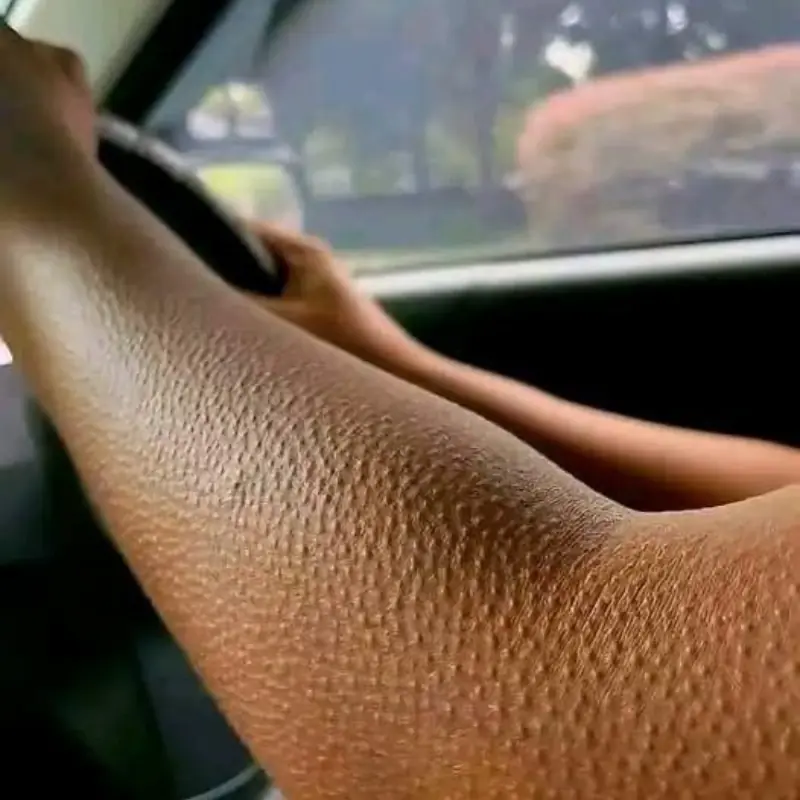
Goosebumps, medically known as piloerection, occur when tiny muscles attached to hair follicles contract. These muscles are called arrector pili muscles.
When these muscles tighten, they pull the hair follicles upright, causing the surrounding skin to rise into small bumps. This creates the characteristic “goosebump” texture that many people recognize.
The reaction happens automatically and is controlled by the autonomic nervous system, which manages many involuntary body functions.
Why the Body Produces Goosebumps
There are several common reasons why goosebumps appear.
1. Response to Cold Temperatures
One of the most common triggers for goosebumps is exposure to cold weather. When the body senses a drop in temperature, the nervous system activates the arrector pili muscles.
In animals with thick fur, this reaction causes their hair to stand up, creating an insulating layer of air that helps keep them warm.
Although humans have far less body hair than many animals, the reflex still remains.
2. Emotional Reactions
Strong emotions can also trigger goosebumps. Many people notice them when listening to powerful music, watching emotional scenes in movies, or experiencing moments of fear or excitement.
These emotional goosebumps occur because the brain releases certain chemicals during intense feelings, activating the body’s fight-or-flight response.
The nervous system responds by stimulating the muscles that cause goosebumps.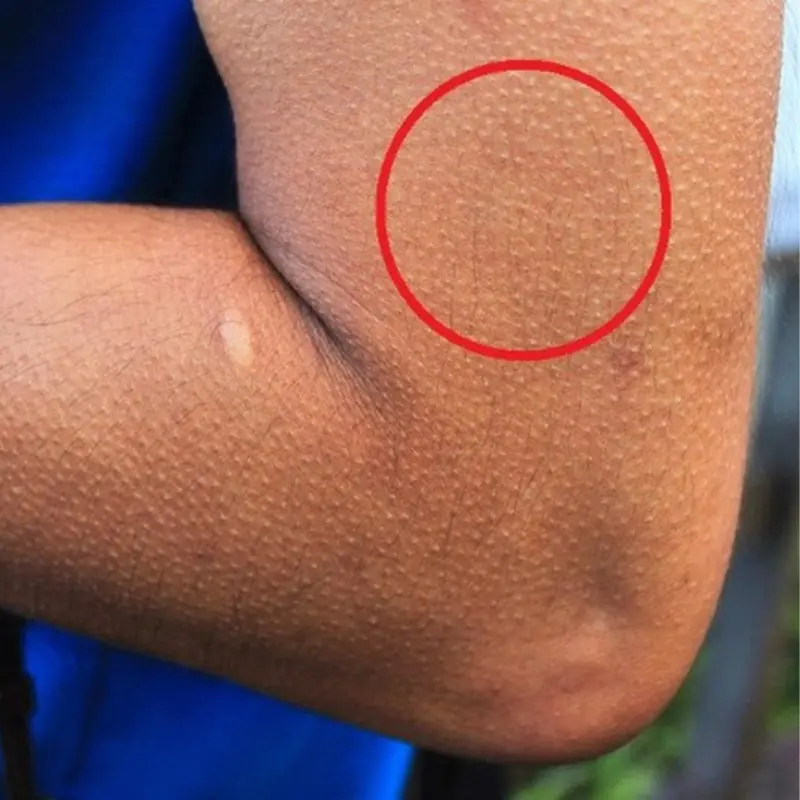
3. Fear or Stress
Goosebumps can also appear during moments of fear or stress. This reaction is part of the body’s natural defense system.
In animals, raised fur can make them appear larger and more intimidating to predators or rivals. While humans no longer rely on this defense mechanism, the reflex still exists.
A Remnant of Human Evolution
Scientists often describe goosebumps as an evolutionary leftover from our ancestors. Early humans, like many animals today, had much thicker body hair.
When their hair stood upright, it helped trap heat and also made them appear larger when facing danger.
Over thousands of years, humans lost most of their body hair, but the biological reflex remained.
As a result, goosebumps still appear even though they no longer serve the same protective purpose.
Are Goosebumps Ever a Health Concern?
In most cases, goosebumps are completely harmless and temporary. They usually disappear once the body warms up or the emotional trigger passes.
However, if goosebumps appear frequently without an obvious cause, or if they are accompanied by other symptoms such as skin irritation, pain, or persistent dryness, it may be worth consulting a healthcare professional.
Some skin conditions can create textures that resemble goosebumps, so proper diagnosis is important if the condition becomes persistent.
The Body’s Fascinating Reflex System
The human body contains many automatic reactions designed to protect and regulate itself. Goosebumps are just one example of how the nervous system responds instantly to environmental and emotional changes.
Although they may seem like a small detail, goosebumps provide a reminder of the body’s deep connection to its evolutionary past.