Vegetables are widely recognized as an important part of a healthy diet. They provide essential vitamins, minerals, fiber, and antioxidants that support overall well-being. However, health experts also warn that some vegetables can pose risks to the body if they are consumed in certain conditions or prepared improperly.
In particular, doctors emphasize that some vegetables may negatively affect liver health when they are spoiled, contaminated, or consumed in excessive amounts. The liver is one of the body’s most vital organs, responsible for detoxifying harmful substances, processing nutrients, and supporting metabolism. When the liver becomes overloaded with toxins, its function can gradually decline.
Understanding which foods require caution and how to prepare them properly can help reduce potential risks.
The Role of the Liver in the Body
The liver performs hundreds of important functions in the body. It helps break down toxins, regulate blood sugar levels, store vitamins and minerals, and produce bile to aid digestion.
Because the liver is responsible for filtering harmful substances from the bloodstream, it can be particularly vulnerable when the body is exposed to toxins over long periods.
Poor diet, contaminated food, alcohol consumption, and certain environmental chemicals can all place stress on the liver.
Vegetables That Require Careful Preparation
Doctors do not suggest avoiding vegetables altogether—far from it. Instead, they emphasize that some vegetables should be handled and cooked properly to prevent the buildup of harmful substances.
Here are four types of vegetables that may require extra caution.
1. Sprouted or Spoiled Beans
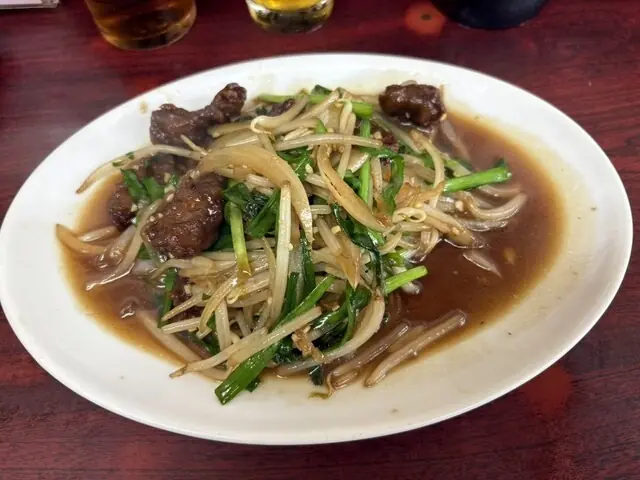
Bean sprouts are commonly used in salads and stir-fried dishes. However, if they are not stored properly, they can become breeding grounds for bacteria such as Salmonella or E. coli.
Spoiled sprouts may carry toxins or pathogens that can cause digestive illness and place strain on the liver as it works to detoxify the body.
To reduce risk, bean sprouts should always be washed thoroughly and cooked properly.
2. Moldy Vegetables
Any vegetable that shows signs of mold should be discarded immediately. Mold can produce harmful substances known as mycotoxins. Some mycotoxins have been linked to liver damage when consumed repeatedly over time.
Even if only a small portion of a vegetable appears moldy, the contamination may have already spread throughout the food.
3. Pickled or Fermented Vegetables with Excess Salt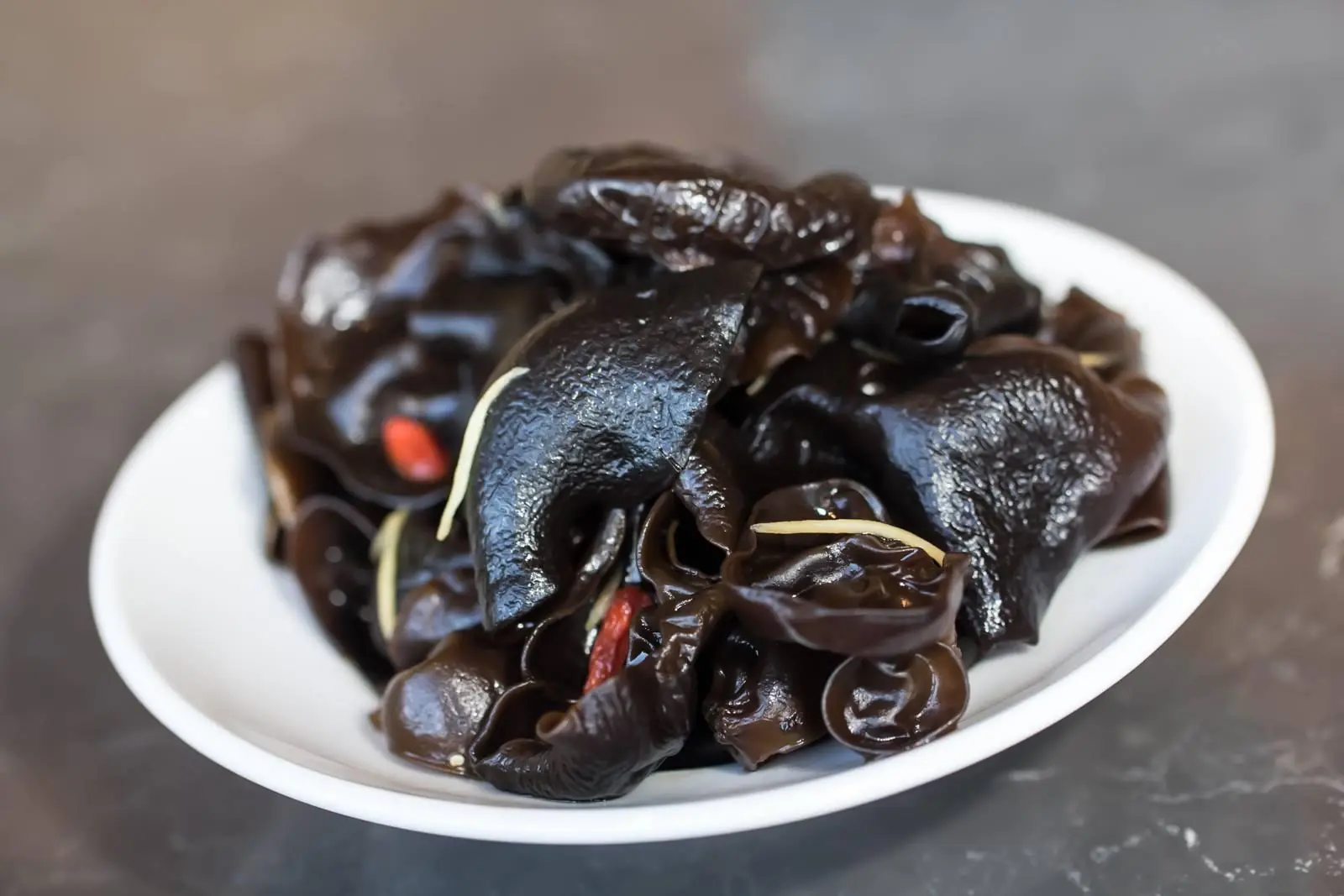
Fermented foods can offer health benefits when prepared correctly, but excessively salted pickled vegetables may contribute to health problems if eaten frequently.
High sodium intake can place stress on the body and contribute to metabolic imbalance, which may indirectly affect liver function over time.
Moderation is key when consuming preserved vegetables.
4. Wild or Unknown Vegetables
In some regions, people collect wild vegetables from natural environments. However, not all wild plants are safe to eat.
Certain plants contain naturally occurring toxins that can affect organs such as the liver if consumed in large quantities. Identifying edible plants correctly is essential to avoid accidental poisoning.
Safe Practices for Eating Vegetables
To maintain a healthy diet while protecting the liver, experts recommend following several simple guidelines.
First, always wash vegetables thoroughly before cooking or eating them. This helps remove pesticides, dirt, and bacteria.
Second, avoid eating vegetables that appear spoiled, slimy, or moldy.
Third, cook vegetables that are known to carry potential risks when eaten raw, such as bean sprouts or certain legumes.
Finally, store vegetables properly in clean, dry environments to prevent contamination.
A Balanced Approach to Healthy Eating
Vegetables remain one of the most beneficial food groups for maintaining good health. They support digestion, strengthen the immune system, and provide nutrients essential for the body’s daily functions.
However, like all foods, they should be consumed responsibly. Paying attention to food quality, freshness, and proper preparation methods can help prevent unnecessary health risks.
By combining healthy eating habits with safe food handling practices, individuals can enjoy the nutritional benefits of vegetables while protecting vital organs such as the liver.