Many people believe that simply putting vegetables in the refrigerator is enough to keep them fresh for a long time. However, one of the most common mistakes in households is setting the refrigerator temperature incorrectly. Surprisingly, experts estimate that a large percentage of households do not use the optimal temperature setting, which can cause vegetables to wilt, lose nutrients, and spoil much faster than expected.
The refrigerator is designed to slow down the growth of bacteria and reduce the natural aging process of food. But when the temperature is too warm or too cold, vegetables can quickly lose their freshness and quality. Understanding the correct temperature and proper storage methods can make a big difference in preserving vegetables and reducing food waste at home.
:quality(75)/2023_11_16_638357514240610963_de-rau-trong-tu-lanh-bi-nat-thumb.jpg)
Why Refrigerator Temperature Matters
Vegetables are living plant tissues even after they are harvested. They continue to respire and release moisture, which means they slowly break down over time. Refrigeration slows this process by lowering the temperature and reducing the rate of chemical reactions inside the produce.
However, if the temperature inside the refrigerator is not properly controlled, vegetables may deteriorate more quickly. For example:
-
If the temperature is too warm, bacteria and mold can grow faster.
-
If the temperature is too cold, certain vegetables may suffer from cold damage and lose texture.
Maintaining the correct refrigerator temperature helps preserve freshness, flavor, and nutrients.
The Ideal Refrigerator Temperature
Most food safety experts recommend keeping refrigerators at a temperature between 1°C and 4°C (34°F to 40°F).
This temperature range is cold enough to slow bacterial growth while still being safe for storing fresh produce. When the temperature rises above this range, vegetables may begin to spoil faster. On the other hand, temperatures close to freezing can damage delicate vegetables.
Many people unknowingly set their refrigerator temperature too high, especially if the door is frequently opened or if the cooling system is not properly adjusted.
Using a small refrigerator thermometer can help ensure the temperature stays within the safe range.
Why Vegetables Wilt Faster in the Wrong Temperature
Vegetables lose freshness mainly through moisture loss and cellular breakdown. When the refrigerator temperature is not ideal, several things may happen:
-
Increased moisture evaporation
Vegetables may lose water faster, causing them to wilt and shrink. -
Faster respiration
Warmer temperatures speed up the natural aging process of produce. -
Microbial growth
Bacteria and fungi can grow more quickly, leading to spoilage. -
Texture damage
Extremely cold temperatures may break down vegetable cells, making them soft and watery.
These factors combined can shorten the storage life of vegetables significantly.
Common Refrigerator Mistakes That Affect Vegetables
Besides incorrect temperature settings, several other common mistakes may also cause vegetables to spoil quickly.
Overcrowding the Refrigerator
When the refrigerator is packed too tightly with food, air circulation becomes limited. Proper airflow is essential for maintaining a stable temperature throughout the appliance.
Without adequate airflow, certain areas of the refrigerator may become warmer, causing vegetables stored there to deteriorate faster.
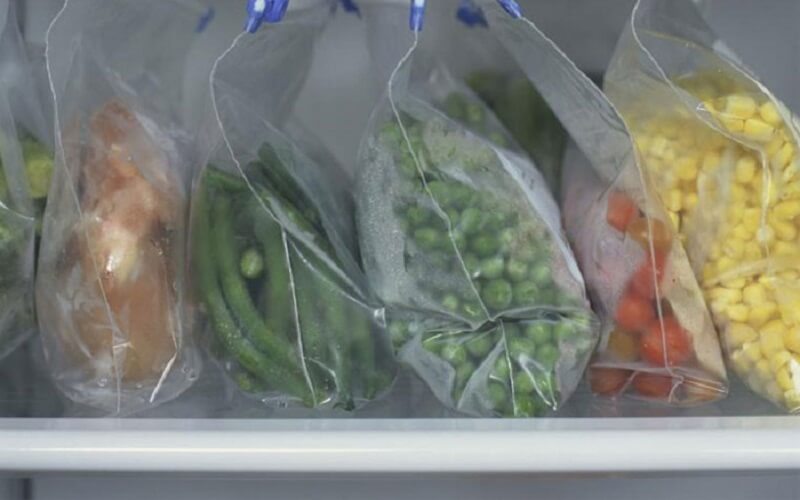
Storing Vegetables in the Wrong Area
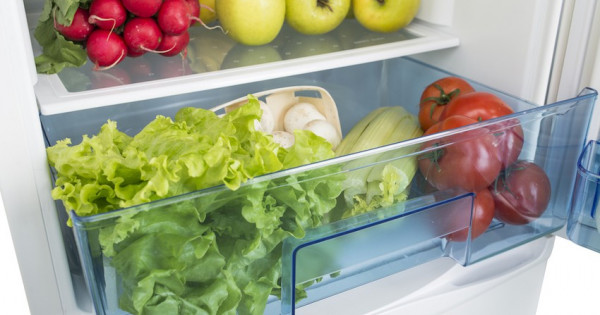
Most refrigerators have crisper drawers specifically designed for fruits and vegetables. These drawers help maintain the correct humidity level, which is important for keeping produce fresh.
Storing vegetables on open shelves instead of the crisper drawer can expose them to dry air, causing them to wilt more quickly.
Not Controlling Humidity
Many crisper drawers include adjustable humidity settings. Vegetables generally require higher humidity levels to stay fresh.
Leafy greens, carrots, and broccoli benefit from higher humidity because it helps prevent moisture loss. When humidity levels are too low, vegetables may become limp and dry.
Washing Vegetables Before Storage
While washing vegetables before eating is important, washing them before refrigeration can sometimes shorten their shelf life.
Excess moisture left on the surface of vegetables can encourage mold and bacterial growth. It is usually better to wash vegetables just before use rather than before storing them.
Tips to Keep Vegetables Fresh Longer
With a few simple adjustments, you can significantly extend the freshness of vegetables in your refrigerator.
1. Set the correct temperature
Keep your refrigerator between 1°C and 4°C (34°F–40°F).
2. Use crisper drawers properly
Store vegetables in the designated crisper drawer to maintain humidity.
3. Avoid overcrowding
Leave space between items to allow proper airflow.
4. Store vegetables in breathable containers
Using perforated bags or containers helps regulate moisture.
5. Keep vegetables away from ethylene-producing fruits
Some fruits release a natural gas that can accelerate the ripening and spoilage of nearby vegetables.
Benefits of Proper Refrigerator Storage
When vegetables are stored correctly, several benefits can be observed:
-
Longer freshness and better texture
-
Reduced food waste
-
Improved flavor and nutritional quality
-
Lower grocery expenses over time
Proper food storage not only helps maintain the quality of vegetables but also contributes to more sustainable household practices.
Final Thoughts
Setting the correct refrigerator temperature is one of the simplest yet most important steps in preserving fresh vegetables. Many households unknowingly use the wrong temperature settings, which can cause vegetables to wilt and spoil faster than necessary.
By maintaining the recommended temperature, organizing the refrigerator properly, and using crisper drawers effectively, it is possible to extend the freshness of produce and reduce unnecessary food waste.
Sometimes, small adjustments in everyday habits can make a significant difference. Keeping your refrigerator at the right temperature may be the key to enjoying fresher vegetables and a more efficient kitchen.