In many kitchens around the world, rice water is something that usually goes straight down the drain. After rinsing or boiling rice, the cloudy liquid is often discarded without a second thought. However, in recent years, many people have started to recognize that this humble byproduct may have several practical uses around the home.
Often referred to as “liquid gold,” rice water is the starchy liquid left behind after soaking, rinsing, or cooking rice. Although it might seem like waste, the water actually contains nutrients, starches, and minerals that can make it surprisingly useful in everyday life.
From natural beauty routines to plant care and sustainable household practices, rice water has gained popularity as an affordable and eco-friendly solution.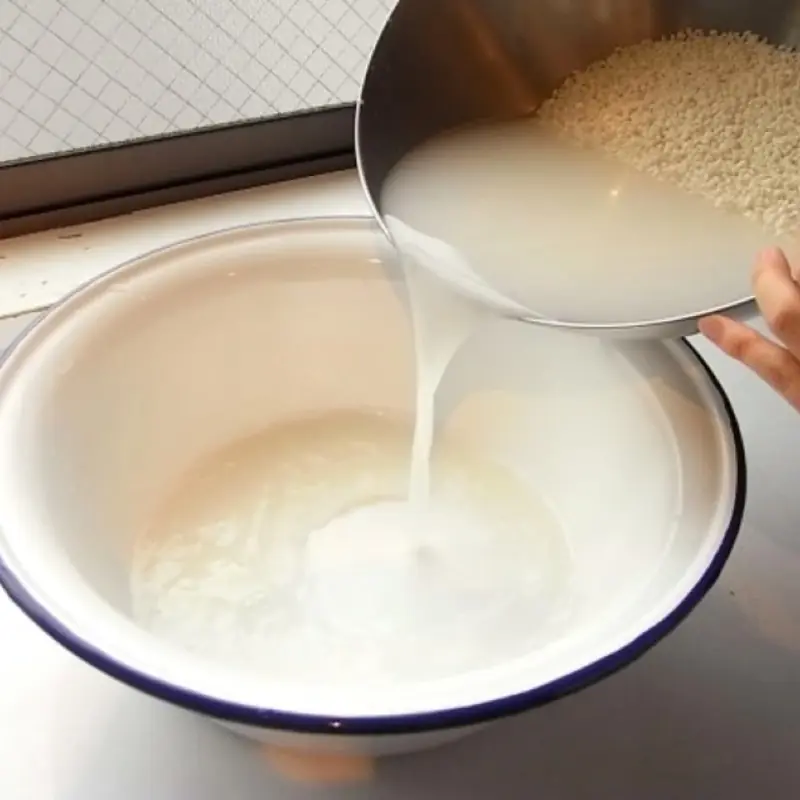
A Traditional Beauty Secret
One of the most well-known uses of rice water is in hair care. For centuries, women in parts of East Asia have used rice water as a natural hair rinse. The liquid contains amino acids, vitamins, and minerals that may help improve hair texture and shine.
Some people believe that rice water can strengthen hair strands, reduce breakage, and make hair appear smoother and healthier. The starchy liquid may coat the hair shaft, helping protect it from damage and improving elasticity.
While many people report positive results, experts say scientific evidence supporting dramatic hair growth claims is still limited. However, using rice water as a gentle rinse is generally considered safe for most people.
Because it contains natural compounds and antioxidants, rice water has also been used in homemade skin treatments. Some people apply it as a face rinse or toner in hopes of achieving smoother skin.
A Natural Boost for Plants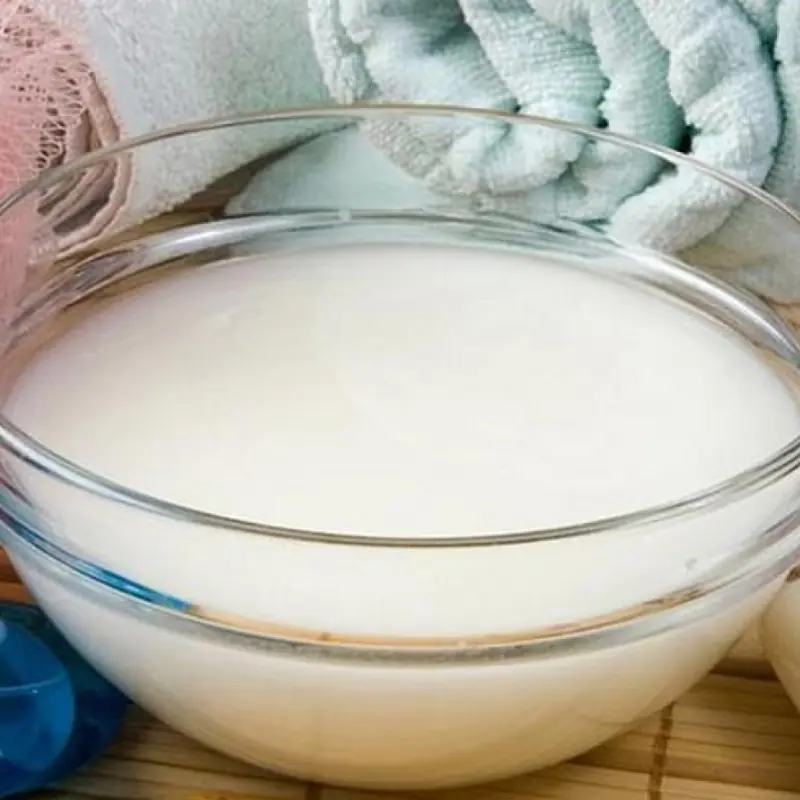
Another popular use for rice water is in gardening. Instead of pouring it down the sink, some gardeners reuse rice water to nourish plants.
Rice water contains nutrients that can act as a mild fertilizer, including small amounts of nitrogen, phosphorus, and potassium. These nutrients may support soil health and plant growth.
Researchers have also found that rice-washing water contains nutrients that leach from rice grains, making it potentially useful as a plant fertilizer.
Houseplants such as succulents, ferns, and spider plants may benefit from occasional watering with rice water. Some gardeners say it helps promote stronger roots and healthier leaves.
However, experts recommend using rice water sparingly. Applying it too frequently can lead to mold growth or attract pests due to the starch content.
A Step Toward Reducing Household Waste
Using rice water at home can also be part of a more sustainable lifestyle. Instead of discarding the liquid, reusing it for plants, hair care, or cleaning purposes helps reduce food waste.
This simple practice reflects a broader trend toward zero-waste living. Small changes—such as reusing kitchen byproducts—can contribute to more environmentally friendly habits.
In many traditional cultures, nothing in the kitchen was wasted. Rice water was commonly used for cooking, cleaning, and beauty care long before modern convenience products became widespread.
Easy Ways to Prepare Rice Water
Making rice water at home is simple and requires no special equipment. There are several common methods.
The most basic method involves rinsing raw rice with water before cooking. The cloudy liquid that results can be collected and used immediately.
Another method is soaking rice in water for about 20 to 30 minutes, then straining the liquid. Some people allow the mixture to ferment for a day or two, which may increase its nutrient content.
Finally, the water left over after boiling rice can also be saved. However, it should be used without added salt or seasonings.
Regardless of the method, rice water is best stored in the refrigerator and used within a few days.
A Simple Ingredient With Many Uses
What makes rice water so appealing is its simplicity. It requires no expensive ingredients or complicated preparation. Instead, it turns something usually discarded into a potentially useful household resource.
Although it may not be a miracle solution for every problem, rice water demonstrates how everyday kitchen leftovers can sometimes serve multiple purposes.
From supporting plant growth to enhancing natural beauty routines, this humble liquid has earned its reputation as a small but surprisingly valuable household ingredient.