8 Warning Signs Your Body May Show When Your Kidneys Are in Trouble
The kidneys are among the most important organs in the human body. These two small, bean-shaped organs work continuously to filter waste products, remove excess fluids, regulate electrolytes, and help maintain healthy blood pressure. Despite their crucial role, kidney problems often develop quietly. Many people do not realize something is wrong until the condition has already progressed.
However, the body often sends subtle warning signs when the kidneys begin to struggle. These signals may appear in different parts of the body, including the skin, legs, stomach, and overall energy levels. Recognizing these symptoms early can help prevent more serious complications and allow treatment before kidney damage becomes severe.
Below are eight common signs that may indicate your kidneys are under stress or not functioning properly.
1. Persistent Pain in the Lower Back or Side
One of the most recognizable signs of kidney problems is discomfort in the lower back or side of the abdomen, just below the rib cage.


Kidney-related pain often appears on one or both sides of the spine and may feel deep or dull rather than sharp. This discomfort may be associated with conditions such as kidney infections, kidney stones, or inflammation.
Unlike muscle pain, kidney pain typically does not improve with movement or stretching and may persist even while resting.
2. Swelling in the Legs, Ankles, or Feet
Healthy kidneys remove excess salt and fluid from the bloodstream. When kidney function declines, fluid may begin to accumulate in the body.



This fluid buildup often causes swelling in areas such as:
-
The ankles
-
The feet
-
The lower legs
-
Sometimes the hands or face
This condition, known as edema, may worsen throughout the day and improve slightly after rest.
3. Persistent Itching or Skin Rashes
The kidneys play a key role in filtering toxins from the blood. When they are not functioning properly, waste products can build up in the bloodstream and affect the skin.


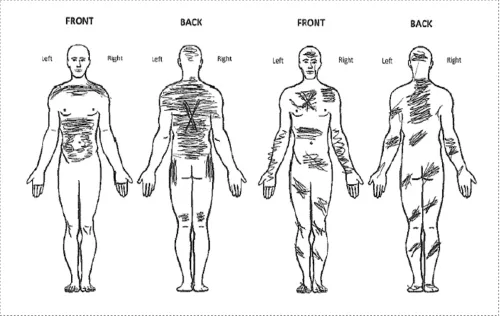
People with kidney problems may experience:
-
Persistent itching
-
Dry or irritated skin
-
Unusual rashes
These symptoms occur because the body struggles to eliminate toxins efficiently.
4. Frequent Urination, Especially at Night
Changes in urination patterns can also signal kidney issues. Since the kidneys control urine production, problems in these organs may lead to noticeable changes.
Common changes include:
-
Needing to urinate more often
-
Waking up frequently during the night to urinate
-
Producing either unusually large or small amounts of urine
These changes may occur gradually, making them easy to overlook.
5. Foamy or Dark Urine
Urine appearance can reveal important clues about kidney health.
Foamy urine may indicate protein leakage, which occurs when the kidney’s filtering units become damaged. Dark or cloudy urine may also suggest infection, dehydration, or other kidney-related problems.
Because urine is a direct product of kidney filtration, unusual changes should not be ignored.
6. Constant Fatigue and Weakness
Healthy kidneys produce a hormone called erythropoietin, which stimulates the production of red blood cells. These cells carry oxygen throughout the body.
When kidney function declines, red blood cell production may decrease, leading to anemia. This can cause symptoms such as:
-
Persistent fatigue
-
Weakness
-
Difficulty concentrating
-
Shortness of breath during activity
Many people initially attribute this fatigue to stress or lack of sleep.
7. Nausea or Loss of Appetite
When waste products accumulate in the bloodstream due to poor kidney function, they can affect the digestive system.
This buildup may lead to:
-
Nausea
-
Vomiting
-
Reduced appetite
-
A metallic taste in the mouth
Over time, these symptoms may result in unintended weight loss.
8. Difficulty Concentrating or Feeling Mentally Foggy
Kidney dysfunction can also influence brain function. When toxins accumulate in the blood, they may affect cognitive performance and mental clarity.
Some people experience:
-
Trouble focusing
-
Memory problems
-
Difficulty completing everyday tasks
-
Feeling mentally slow or confused
These symptoms may gradually worsen if the underlying kidney issue is not addressed.
Why Kidney Health Should Never Be Ignored
Kidney disease often develops slowly and may not produce obvious symptoms in its early stages. Because of this, many people do not seek medical attention until the condition becomes advanced.
Early detection is extremely important. When kidney problems are identified early, lifestyle changes and medical treatment can help slow or prevent further damage.
Healthcare professionals often recommend regular testing for people who have higher risk factors, including:
-
High blood pressure
-
Diabetes
-
Obesity
-
Family history of kidney disease
Simple blood and urine tests can provide valuable information about kidney function.
Protecting Your Kidneys
Maintaining kidney health involves several important lifestyle habits:
-
Drinking adequate water
-
Maintaining healthy blood pressure
-
Controlling blood sugar levels
-
Limiting excessive salt intake
-
Staying physically active
-
Avoiding unnecessary use of certain medications that strain the kidneys
Regular medical checkups also play a crucial role in identifying potential problems early.
Pay Attention to Your Body’s Signals
The body often provides warning signs when internal organs are under stress. Pain in the lower back, swelling in the legs, persistent itching, or unusual fatigue may all indicate that the kidneys are struggling to perform their vital functions.
While these symptoms can also be caused by many other conditions, persistent or unexplained changes should always be evaluated by a healthcare professional.
Listening to the body’s signals and seeking medical advice when something feels unusual can help protect kidney health and support long-term