When Your Child Is Bullied, Don’t Just Tell Them to Fight Back — Teach Them These 4 Skills So They Become “Not Easy Targets”
Bullying is a painful reality that many children face at some point during their school years. For parents, seeing their child come home upset, withdrawn, or frightened because of bullying can be heartbreaking. The instinctive reaction for many adults is to say, “Fight back.” While this response may come from a place of protection, teaching children to respond with aggression often creates more problems than it solves.
Physical confrontation can escalate conflicts, lead to disciplinary consequences at school, and sometimes even make the bullying worse. Instead of focusing on retaliation, experts recommend teaching children skills that help them project confidence, set boundaries, and seek support. Children who learn these abilities are often seen as harder targets, making bullies less likely to single them out.
Here are four powerful lessons parents can teach their children to help them handle bullying in a healthier and more effective way.
1. Teach Confident Body Language
Bullies often choose targets who appear vulnerable or unsure of themselves. Body language plays a powerful role in how others perceive confidence.


Children who walk with their heads down, avoid eye contact, or appear anxious may unintentionally signal vulnerability. Helping children practice confident body language can change how others respond to them.
Parents can encourage children to:
-
Walk with their head up and shoulders back
-
Make brief eye contact when speaking
-
Speak clearly and calmly
-
Avoid appearing intimidated
These simple behaviors communicate self-assurance and can discourage bullies who often look for easy targets.
2. Teach Calm and Assertive Responses
Many bullies are looking for emotional reactions. When a child becomes visibly upset or angry, it can reinforce the bully’s behavior.
Teaching children how to respond calmly and assertively can help defuse situations.
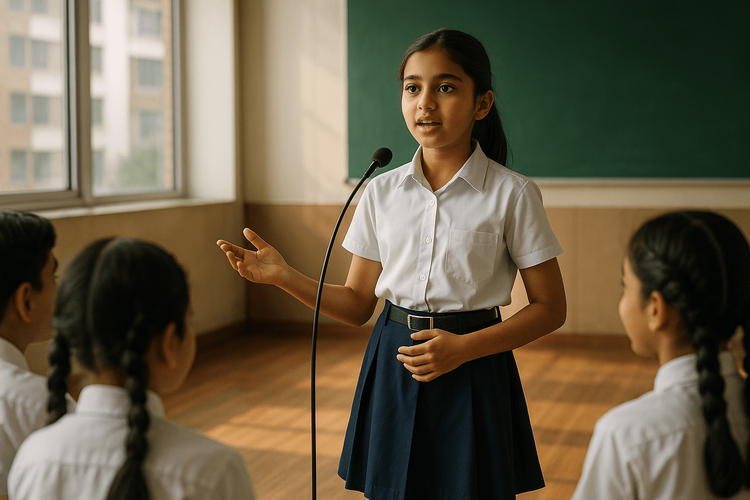
Some helpful responses children can practice include:
-
“Stop. I don’t like that.”
-
“Leave me alone.”
-
“That’s not funny.”
The key is delivering these responses firmly but without aggression. Practicing these phrases at home can help children feel more prepared when they encounter difficult situations at school.
3. Teach Them to Build Strong Friendships
Children who feel isolated are more likely to be targeted by bullies. Having supportive friends can make a huge difference.

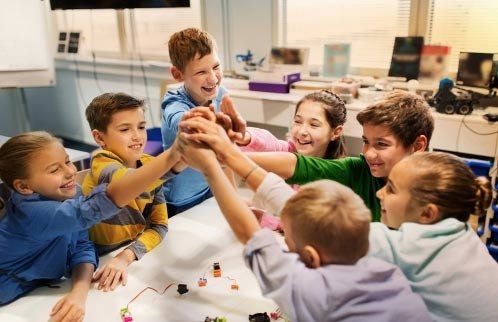

Encouraging children to build positive friendships provides emotional support and protection. Bullies are far less likely to approach someone who is surrounded by friends.
Parents can help by encouraging:
-
Participation in group activities
-
Sports teams or clubs
-
Cooperative games
-
Social skills development
Strong friendships also help children feel less alone and more confident.
4. Teach Them to Seek Help Without Shame
One of the biggest misconceptions children have about bullying is that telling an adult is the same as “tattling.” In reality, asking for help is often the safest and most responsible response.
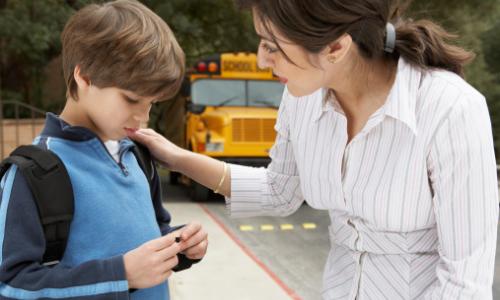


Children should understand that bullying is not something they need to handle alone. Trusted adults can provide guidance, intervene when necessary, and help create safer environments.
Parents can encourage children to talk to:
-
Teachers
-
School counselors
-
Coaches
-
Parents or guardians
Knowing that support is available helps children feel safer and less powerless.
Why Confidence Is Often the Best Defense
Research shows that bullies frequently target children who appear insecure or socially isolated. By teaching confidence, communication skills, and support-seeking behavior, parents help children develop the emotional strength needed to navigate difficult social situations.
These skills do more than stop bullying — they also help children build resilience, self-esteem, and stronger relationships throughout life.
Creating a Safe Environment at Home
Perhaps the most important step parents can take is maintaining open communication. Children should feel comfortable talking about their experiences without fear of judgment or punishment.
Simple habits can make a difference, such as:
-
Asking about their day regularly
-
Listening carefully without interrupting
-
Taking their concerns seriously
-
Reassuring them that they are not alone
When children know they are supported at home, they are more likely to speak up about problems and seek solutions.
Helping Children Grow Stronger
Bullying is a difficult challenge, but it can also be an opportunity to teach valuable life skills. By focusing on confidence, assertiveness, friendship, and seeking support, parents can empower children to handle adversity with strength and maturity.
Instead of teaching children to fight back with anger, teaching them how to stand strong without becoming an easy target may be one of the most powerful lessons they carry into adulthood.