9 Silent Signs of a Brain Blood Clot That May Appear Weeks Before a Stroke
A stroke often seems to happen suddenly, but in many cases the body begins sending warning signals long before the event occurs. One of the most dangerous causes of stroke is a blood clot in the brain. These clots can partially block blood flow to brain tissue, preventing oxygen and nutrients from reaching critical areas of the brain.
When the brain does not receive enough oxygen, nerve cells begin to malfunction. This disruption can produce subtle symptoms that many people overlook or misinterpret as fatigue, stress, or minor health issues. Recognizing these early signals could make a life-saving difference because prompt medical attention can sometimes prevent a full stroke.
Below are nine silent warning signs that may appear days or even weeks before a stroke occurs.
1. Sudden Unusual Headaches
A severe or unusual headache that appears without an obvious cause can sometimes signal problems with blood circulation in the brain.


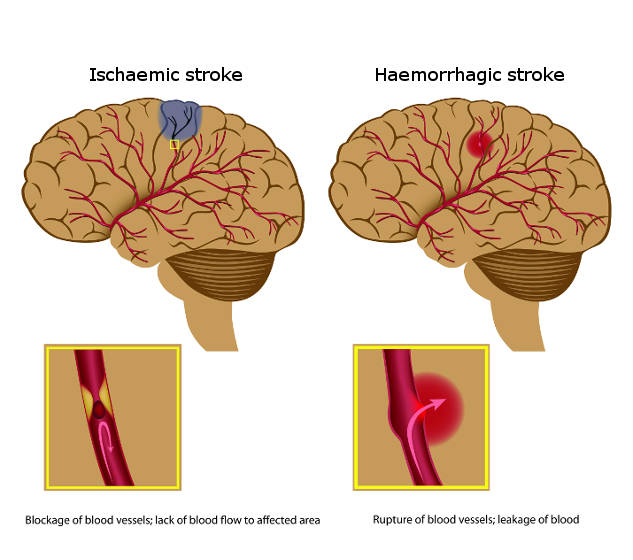
These headaches may feel different from normal migraines or tension headaches. They may come on suddenly, feel more intense, or appear together with other neurological symptoms.
Persistent headaches should always be evaluated, especially if they occur with dizziness, blurred vision, or confusion.
2. Sudden Vision Problems
Vision disturbances can be an early sign of disrupted blood flow in the brain. People may experience:
-
Blurred vision
-
Double vision
-
Sudden loss of vision in one eye
-
Difficulty focusing
Because the brain processes visual information, even small disruptions in circulation can affect how the eyes function.
3. Numbness or Weakness on One Side of the Body
One of the classic warning signs of a stroke is sudden numbness or weakness, especially on one side of the body.

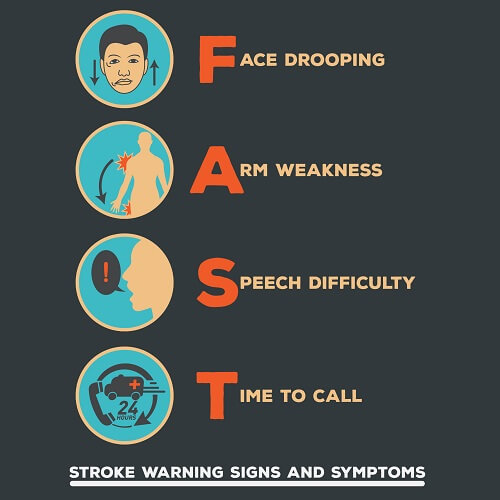

This may involve:
-
The face
-
One arm
-
One leg
In some cases the sensation comes and goes, which makes people dismiss it as temporary fatigue or nerve compression.
However, even brief episodes may signal transient ischemic attacks (TIAs), often called mini-strokes.
4. Difficulty Speaking or Understanding Words
A blood clot affecting language areas of the brain may cause:
-
Slurred speech
-
Difficulty finding words
-
Trouble understanding conversations
People experiencing this symptom may feel mentally alert but struggle to express themselves clearly.
Because speech centers are highly sensitive to oxygen deprivation, this symptom can appear early in the development of a stroke.
5. Sudden Dizziness or Loss of Balance
Balance problems can occur when blood flow to areas of the brain responsible for coordination becomes disrupted.


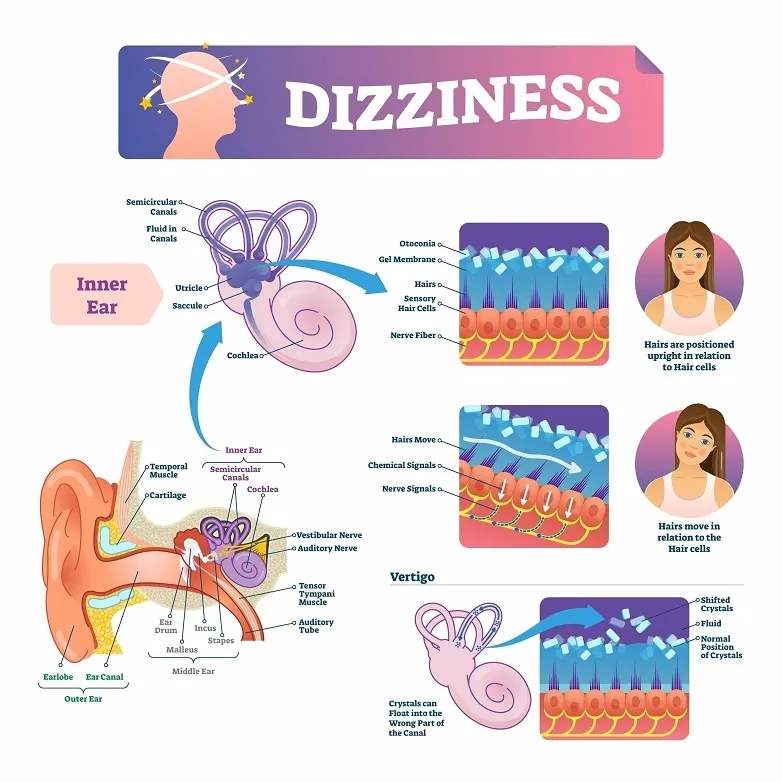
Symptoms may include:
-
Sudden dizziness
-
Difficulty walking
-
Loss of coordination
-
A spinning sensation (vertigo)
These symptoms may appear suddenly and without an obvious cause.
6. Unusual Fatigue or Weakness
Extreme fatigue that appears suddenly and without explanation can sometimes be associated with reduced blood flow to the brain.
The brain consumes a large amount of the body’s oxygen supply. When circulation becomes restricted, people may feel unusually tired or mentally sluggish.
While fatigue alone does not necessarily indicate a serious condition, sudden unexplained exhaustion combined with other neurological symptoms should be taken seriously.
7. Confusion or Difficulty Concentrating
People experiencing reduced blood flow in the brain may feel:
-
Mentally foggy
-
Disoriented
-
Unable to concentrate
-
Easily confused
These changes may develop gradually or occur suddenly, depending on the severity and location of the blockage.
8. Nausea or Vomiting Without Clear Cause
In some cases, pressure or disrupted circulation in certain brain regions may trigger nausea.
Although nausea is commonly associated with digestive issues, it can also occur in neurological conditions when balance centers or brainstem structures are affected.
When nausea appears together with dizziness, headaches, or vision changes, it may indicate a neurological problem.
9. Facial Drooping
Facial drooping is one of the most recognizable warning signs of an impending stroke.


One side of the face may appear uneven or numb. When asked to smile, the smile may look crooked.
This symptom occurs when the brain cannot properly control facial muscles due to reduced blood flow.
Why Early Recognition Is Critical
A stroke occurs when blood supply to part of the brain is interrupted or severely reduced. Without oxygen, brain cells begin to die within minutes.
Recognizing early warning signs allows individuals to seek immediate medical care. Treatments such as clot-dissolving medications or surgical interventions may restore blood flow and prevent severe brain damage if applied quickly.
Healthcare professionals often use the FAST method to identify stroke symptoms:
-
F – Face drooping
-
A – Arm weakness
-
S – Speech difficulty
-
T – Time to call emergency services
Protecting Brain Health
Reducing the risk of stroke often involves managing underlying health conditions and maintaining healthy habits. Important preventive measures include:
-
Controlling blood pressure
-
Maintaining healthy cholesterol levels
-
Staying physically active
-
Avoiding smoking
-
Managing diabetes
-
Maintaining a balanced diet
Regular medical checkups also play an important role in detecting circulation problems before they become serious.
Listening to Early Warning Signals
The human brain is remarkably complex and sensitive. When something interferes with its blood supply, it may send subtle signals long before a stroke occurs.
While not every headache, dizzy spell, or moment of confusion indicates a blood clot, persistent or unusual neurological symptoms should never be ignored. Paying attention to these early warning signs and seeking medical evaluation when necessary can help protect brain function and potentially prevent life-threatening complications.