Surprising! Avoid These 6 Foods That Can Harm Your Kidneys
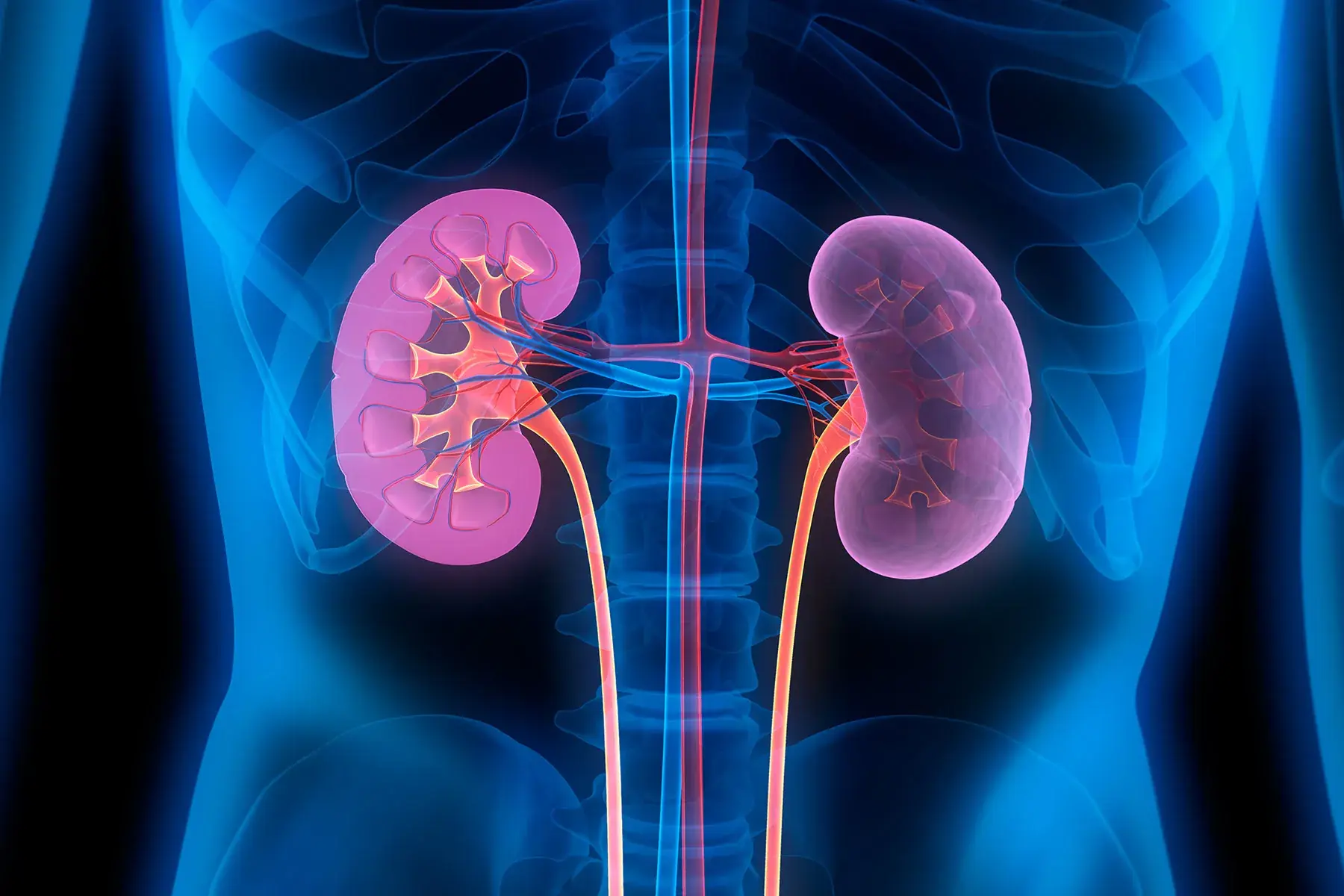
Your kidneys play a vital role in keeping your body healthy. These bean-shaped organs filter waste and excess fluids from the blood, regulate blood pressure, balance minerals, and help produce hormones that support red blood cell production. When kidneys become damaged or weakened, harmful substances can build up in the body and cause serious health problems.
One important way to protect kidney health is through diet. Certain foods—especially when consumed in large amounts—can place extra strain on the kidneys and worsen kidney function over time.
Below are six foods that may harm your kidneys, especially if you already have kidney problems or are at risk for kidney disease.
1. Processed and Packaged Foods
Highly processed foods such as chips, instant noodles, canned soups, frozen meals, and processed meats often contain very high levels of sodium.
Excess sodium forces the kidneys to work harder to balance fluids and blood pressure. Over time, a high-sodium diet can contribute to high blood pressure, one of the leading causes of kidney disease.
Examples include:
-
Packaged snacks
-
Canned soups
-
Processed meats like bacon and sausage
-
Fast food meals
Reducing processed foods and choosing fresh ingredients can help lower sodium intake and protect kidney function.
2. Sugary Drinks and Soda
Sugary beverages like soda, sweetened juices, and energy drinks contain large amounts of added sugars and phosphorus additives.
These drinks may increase the risk of:
-
Obesity
-
Type 2 diabetes
-
Kidney disease
Studies have shown that frequent consumption of sugary sodas may be linked to a higher risk of developing chronic kidney disease.
Water, unsweetened tea, or naturally flavored water are healthier alternatives.
3. Processed Meats
Foods such as bacon, hot dogs, ham, and deli meats are often high in sodium, preservatives, and saturated fats.
These compounds can increase inflammation and put extra pressure on kidney function. High consumption of processed meats has also been associated with a greater risk of chronic diseases including kidney disease and heart disease.
Try replacing processed meats with:
-
Fresh poultry
-
Fish
-
Plant-based proteins such as beans or lentils.
4. Excessive Red Meat
Red meats like beef, lamb, and pork are rich in protein. While protein is important for health, too much protein can strain the kidneys, particularly for people with existing kidney problems.
Digesting large amounts of protein produces waste products that the kidneys must filter from the blood. Over time, excessive intake may accelerate kidney damage in vulnerable individuals.
Moderation is key. Consider balancing red meat with plant-based proteins or fish.
5. Foods High in Phosphorus Additives
Phosphorus is a mineral that helps maintain bone health, but many processed foods contain added phosphorus, which is more easily absorbed by the body.
For people with kidney disease, too much phosphorus can cause:
-
Weak bones
-
Joint pain
-
Calcium buildup in blood vessels
Common foods with phosphorus additives include:
-
Processed cheese
-
Packaged baked goods
-
Cola beverages
-
Instant products
Checking ingredient labels can help identify hidden phosphorus additives.
6. Excess Salt
Salt is one of the biggest dietary risks for kidney health. Consuming too much sodium can raise blood pressure and increase fluid retention, both of which stress the kidneys.
The World Health Organization recommends limiting sodium intake to less than 2,000 mg per day (about one teaspoon of salt).
Tips to reduce salt:
-
Cook meals at home more often
-
Use herbs and spices instead of salt
-
Avoid heavily processed foods
Final Thoughts
Your kidneys work around the clock to keep your body balanced and healthy. A diet high in processed foods, excess salt, sugary drinks, and large amounts of animal protein can place unnecessary stress on these vital organs.
By choosing fresh foods, balanced meals, and moderate portions, you can help support long-term kidney health and reduce the risk of kidney disease.
If you already have kidney problems, it is important to consult a healthcare professional or registered dietitian for personalized dietary advice.