Ringing in Your Ears: What Your Body Might Be Trying to Tell You
Many people have experienced it at least once — a strange ringing, buzzing, or humming sound in the ears that seems to appear out of nowhere. Sometimes it lasts only a few seconds, while other times it can continue for hours or even days. This phenomenon is commonly known as tinnitus, and although it may seem harmless at first, it can sometimes signal underlying health issues that should not be ignored.
Tinnitus does not refer to a disease itself but rather to a symptom. It occurs when a person hears sounds that do not come from an external source. These sounds may include ringing, buzzing, clicking, roaring, or hissing noises. For some individuals, the sound is mild and occasional. For others, it can become persistent and significantly affect concentration, sleep, and overall quality of life.
Understanding what causes tinnitus and when it may signal something more serious is essential for protecting long-term hearing and neurological health.
The Role of the Vestibular System
Inside the inner ear lies an incredibly complex structure responsible for both hearing and balance. This structure includes the cochlea and the vestibular system. The vestibular system helps the brain maintain balance and spatial orientation, allowing people to walk, stand, and move without losing equilibrium.


When something disrupts this delicate system, it can produce symptoms such as:
-
Ringing in the ears
-
Dizziness
-
Vertigo (a spinning sensation)
-
Balance problems
Because the inner ear communicates directly with the brain, disturbances in this area can sometimes indicate neurological or circulatory problems as well.
1. Exposure to Loud Noise
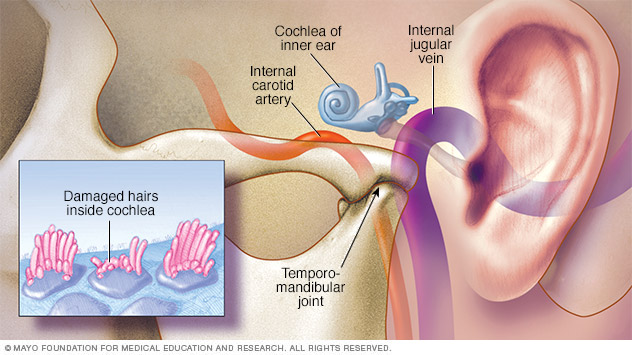
One of the most common causes of tinnitus is exposure to loud sounds. Concerts, headphones played at high volume, industrial machinery, and explosions can all damage the sensitive hair cells inside the cochlea.
These tiny hair cells convert sound vibrations into electrical signals that the brain interprets as sound. When they become damaged, they may send abnormal signals to the brain, which can be perceived as ringing or buzzing.
Even short bursts of loud noise can trigger temporary tinnitus. Repeated exposure, however, can lead to permanent hearing damage.
2. Earwax Blockage
Another surprisingly common cause of ringing in the ears is earwax buildup. Earwax normally protects the ear canal by trapping dust and bacteria. However, excessive accumulation can block the ear canal and interfere with sound transmission.


When sound waves cannot travel properly through the ear canal, the brain may compensate by increasing internal auditory sensitivity. This can sometimes produce ringing sensations.
Fortunately, earwax-related tinnitus is usually temporary and can often be resolved through safe removal performed by a healthcare professional.
3. Circulatory Problems
In some cases, tinnitus is related to blood flow issues. When blood circulation near the ears changes — due to high blood pressure, narrowed arteries, or vascular abnormalities — the resulting turbulence can create audible sounds.
This type of tinnitus is sometimes called pulsatile tinnitus because the sound may follow the rhythm of the heartbeat.
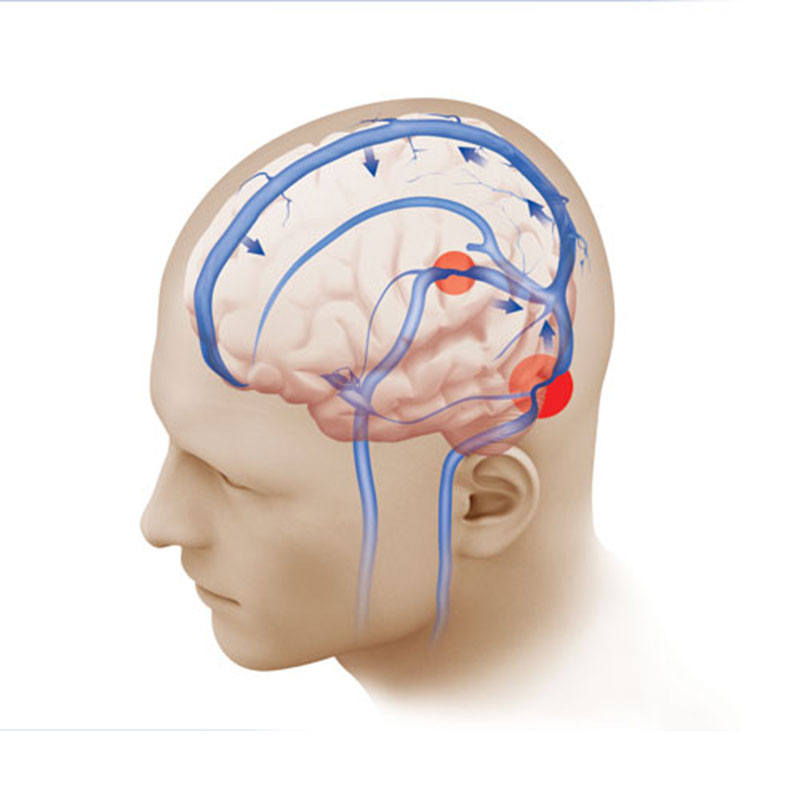
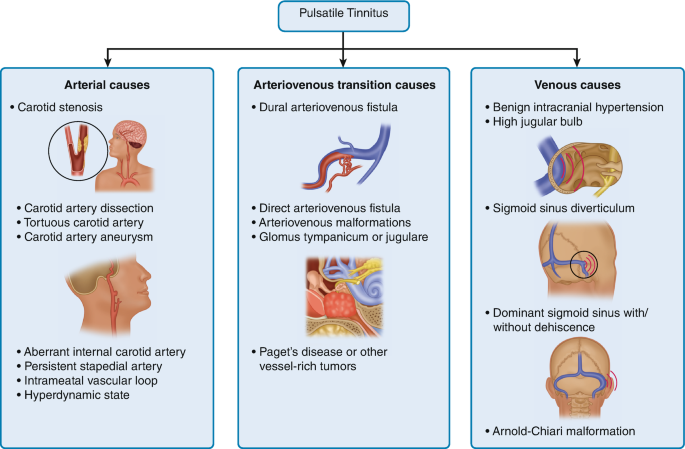
Circulatory-related tinnitus can be associated with conditions such as:
-
High blood pressure
-
Atherosclerosis (hardening of the arteries)
-
Vascular malformations
-
Increased blood flow during pregnancy or intense physical activity
Because cardiovascular problems can have serious consequences, persistent pulsating sounds in the ear should always be evaluated by a medical professional.
4. Stress and Nervous System Overload
Mental stress and anxiety can also contribute to ringing in the ears. When the body is under stress, levels of stress hormones increase, which can affect blood flow, nerve signaling, and sensory perception.
The brain becomes more sensitive to internal signals, making sounds that would normally be ignored more noticeable. As a result, people experiencing chronic stress may become more aware of tinnitus symptoms.
Sleep deprivation, fatigue, and emotional strain can intensify these effects, creating a cycle where tinnitus worsens stress, and stress worsens tinnitus.
5. Certain Medications
Some medications are known to affect hearing and may trigger or worsen tinnitus. These include certain antibiotics, high doses of aspirin, chemotherapy drugs, and some diuretics.
These medications can temporarily or permanently affect the inner ear structures responsible for hearing. In many cases, symptoms improve once the medication is adjusted or discontinued under medical supervision.
When Ringing in the Ear May Signal Something Serious
Occasional ringing lasting a few seconds is usually harmless. However, tinnitus should be evaluated if it:
-
Persists for several days or weeks
-
Occurs with dizziness or balance problems
-
Is accompanied by hearing loss
-
Produces pulsating sounds matching the heartbeat
-
Appears suddenly in only one ear
These symptoms may indicate underlying problems involving the ear, nervous system, or cardiovascular system.
Early diagnosis can help prevent long-term complications and allow appropriate treatment.
Managing and Reducing Tinnitus
Although tinnitus does not always have a simple cure, many strategies can help reduce its impact.
Protect your hearing:
Avoid prolonged exposure to loud noise and use hearing protection when necessary.
Manage stress levels:
Relaxation techniques, meditation, and adequate sleep can help reduce tinnitus intensity.
Maintain healthy circulation:
Regular exercise, balanced nutrition, and blood pressure control support overall ear health.
Limit stimulants:
Caffeine and nicotine can sometimes worsen tinnitus symptoms in sensitive individuals.
Listening to Your Body’s Signals
The human body often sends small warning signs long before serious health problems appear. Ringing in the ears may seem minor, but in some cases it can be an early indicator that the auditory or circulatory system needs attention.
By paying attention to these signals and seeking medical guidance when symptoms persist, individuals can protect both their hearing and their overall health.
While tinnitus is common and often harmless, it is also a reminder that the body’s sensory systems are delicate and interconnected. Taking care of them today can help preserve clear hearing and balance for many years to come.