Hard-boiled eggs are a simple and nutritious food enjoyed in many households around the world. They are commonly used in salads, sandwiches, and quick breakfasts. However, many people become concerned when they cut open a boiled egg and notice a green or grayish ring surrounding the yolk. The unusual color often raises questions about whether the egg is still safe to eat.
Fortunately, food experts say that this green ring is usually harmless and is simply the result of a natural chemical reaction that occurs during the cooking process.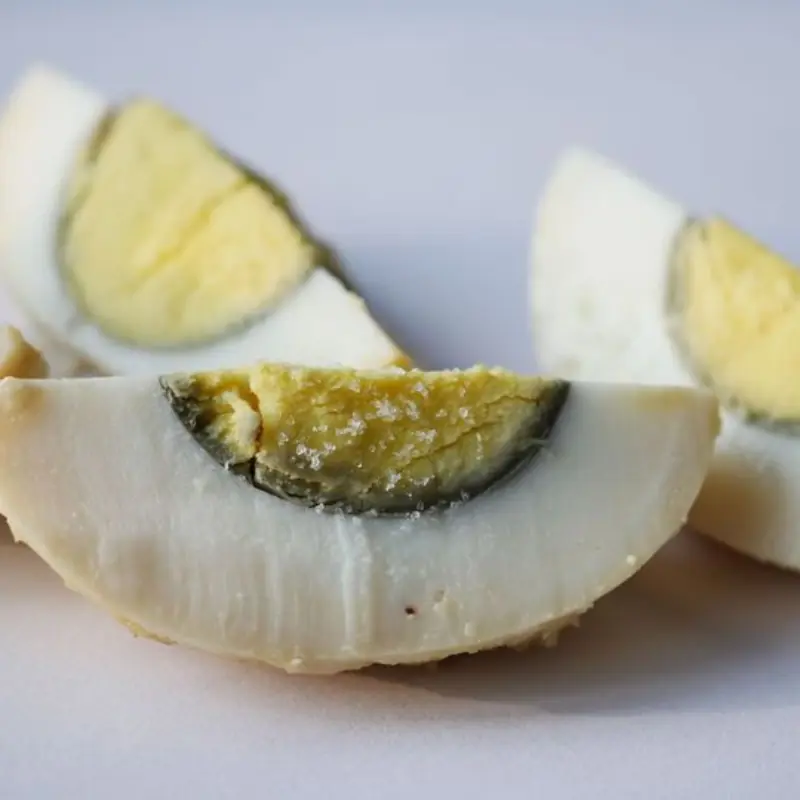
The green or gray ring forms when eggs are cooked for too long or at too high a temperature. During cooking, sulfur in the egg white reacts with iron in the yolk. This reaction produces a compound called iron sulfide, which appears as a greenish or gray layer around the yolk.
Although the color may look unappetizing, it does not mean the egg is spoiled. In most cases, eggs with a green ring are perfectly safe to eat as long as they were fresh before cooking and have been stored properly afterward.
Food scientists explain that the reaction becomes more noticeable when eggs are overcooked. When the egg is exposed to high heat for an extended period, more sulfur is released from the egg white, increasing the chances that it will react with the iron in the yolk.
Cooling the eggs too slowly can also contribute to the formation of the green ring. If eggs remain hot for too long after boiling, the chemical reaction may continue and intensify the discoloration.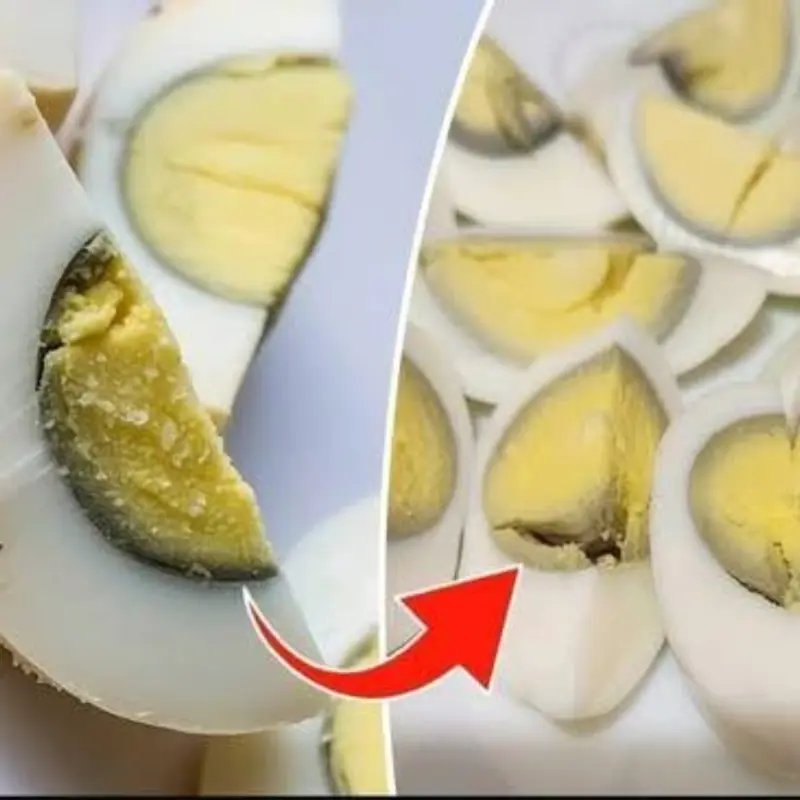
While the green ring is harmless, many cooks prefer to avoid it for appearance and texture reasons. Overcooked eggs often have a chalky or dry yolk, which can affect the taste and quality of dishes that rely on perfectly cooked eggs.
Fortunately, preventing the green ring is relatively simple. Proper cooking techniques can help ensure that boiled eggs maintain their bright yellow yolks and pleasant texture.
One commonly recommended method is to place eggs in a pot of cold water and bring the water to a gentle boil. Once the water reaches a boil, the heat should be reduced and the eggs allowed to cook for a limited time, typically around nine to twelve minutes depending on their size.
After cooking, the eggs should be immediately transferred to cold water or an ice bath. Rapid cooling helps stop the cooking process and prevents the chemical reaction that causes the green ring.
Another helpful tip is to avoid overcrowding the pot. When eggs have enough space in the water, they cook more evenly and are less likely to be exposed to excessive heat.
Freshness also plays a role in the quality of boiled eggs. While slightly older eggs are often easier to peel, using eggs that are still within their recommended storage period helps ensure good taste and texture.
Eggs are a highly nutritious food, rich in protein, vitamins, and essential nutrients such as vitamin B12, selenium, and choline. Because of their nutritional value and versatility, they remain a staple ingredient in many diets around the world.
The presence of a green ring around a boiled egg yolk may look unusual, but it is usually nothing to worry about. It simply indicates that the egg was cooked a little longer than necessary.
By adjusting cooking times and cooling eggs quickly after boiling, home cooks can easily prevent the formation of the green ring and enjoy perfectly cooked eggs every time.
In the end, understanding the science behind everyday cooking can help eliminate unnecessary worries and improve kitchen results. Even a small detail, like the color of an egg yolk, often has a simple and harmless explanation.