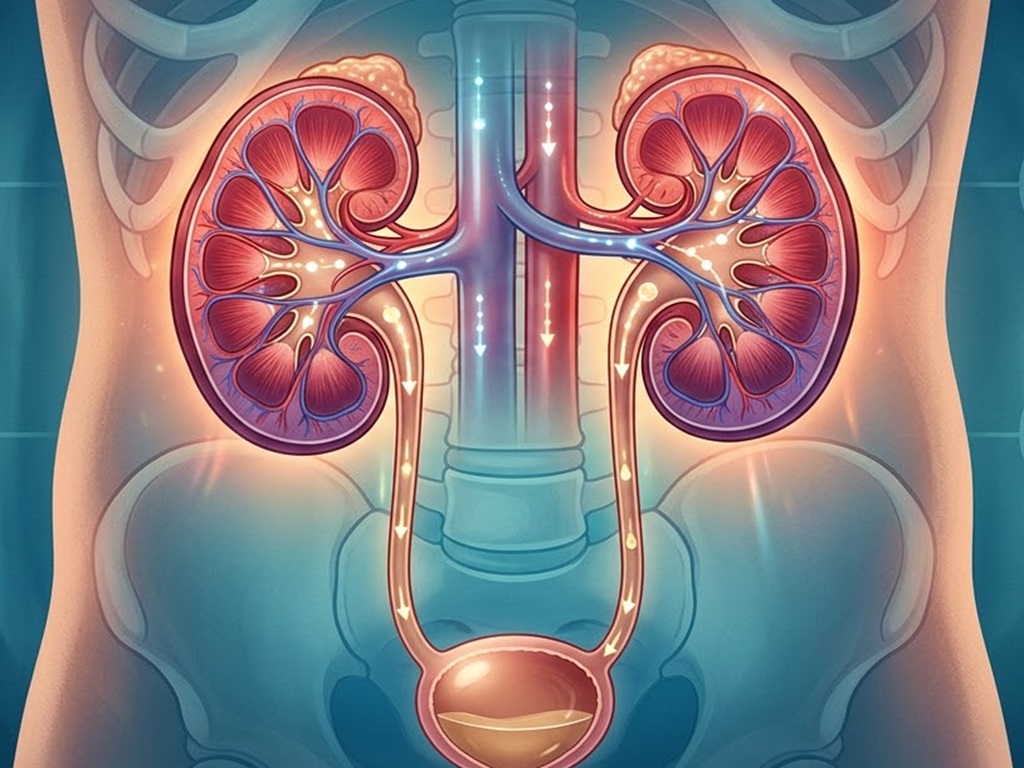
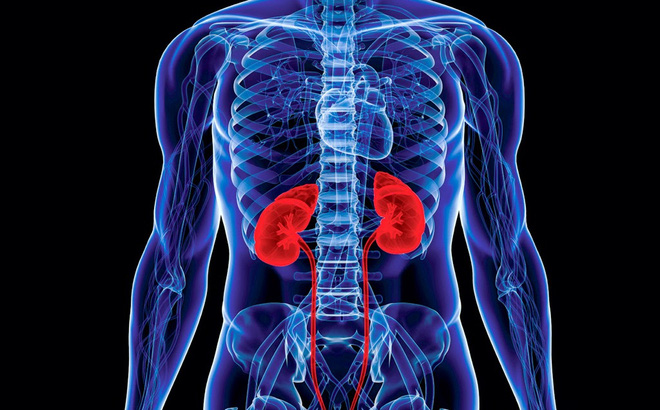
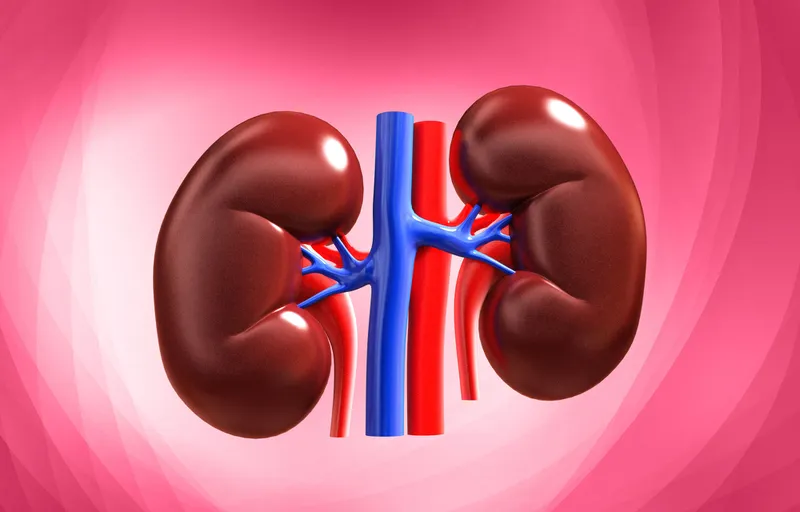
The kidneys are two small but extremely important organs in the human body. Located on each side of the spine, they play a vital role in filtering waste, balancing fluids, and regulating essential minerals in the bloodstream. Every day, the kidneys filter large amounts of blood to remove toxins and excess substances, which are then expelled through urine.
When the kidneys are functioning well, this process happens quietly without us noticing. However, when they begin to weaken or become damaged, the body may start showing certain warning signs. Recognizing these symptoms early can help prevent more serious health problems.
Here are 5 important signs that may indicate your kidneys are not working properly.
1. Persistent Fatigue and Weakness
One of the earliest and most common signs of kidney problems is unusual fatigue.
Healthy kidneys help produce a hormone called erythropoietin, which plays an important role in the production of red blood cells. When the kidneys are not functioning properly, this hormone may decrease, leading to fewer red blood cells circulating in the body.
As a result, oxygen delivery to tissues may decline, causing symptoms such as:
-
Constant tiredness
-
Low energy levels
-
Difficulty concentrating
-
Feeling weak even after resting
People may assume that fatigue is simply caused by stress or lack of sleep, but persistent exhaustion without a clear reason can sometimes signal underlying kidney issues.
2. Changes in Urination
Because the kidneys are responsible for producing urine, changes in urination patterns can often be an early sign of kidney dysfunction.
Some noticeable changes may include:
-
Urinating more frequently, especially at night
-
Producing less urine than usual
-
Urine that appears foamy or bubbly
-
Dark or cloudy urine
-
Difficulty or discomfort when urinating
Foamy urine, for example, may indicate that protein is leaking into the urine, which can happen when the kidney’s filtering system becomes damaged.
Paying attention to changes in urination is important because these symptoms often appear before more severe kidney problems develop.
3. Swelling in the Body
When the kidneys cannot effectively remove excess fluids and sodium from the body, fluid may begin to accumulate in tissues. This condition can cause swelling, also known as edema.
Swelling may appear in areas such as:
-
The feet
-
Ankles
-
Hands
-
Face
-
Around the eyes
People may notice their shoes feeling tighter than usual or puffiness in the face, especially in the morning.
Fluid retention occurs because the kidneys are struggling to maintain proper fluid balance in the body.
4. Skin Problems and Persistent Itching
Kidneys also help maintain the balance of minerals and nutrients in the bloodstream. When they are not working properly, waste products may begin to build up in the blood.
This buildup can lead to skin-related symptoms, including:
-
Persistent itching
-
Dry or irritated skin
-
Unusual skin discomfort
Although itching can be caused by many conditions, chronic or unexplained itching may sometimes be related to the accumulation of toxins that healthy kidneys would normally remove.
5. Shortness of Breath
Another possible sign of kidney problems is difficulty breathing.
This symptom can occur for several reasons. When the kidneys are not functioning properly, fluid may accumulate in the lungs, making breathing more difficult.
Additionally, kidney disease may lead to anemia, which reduces oxygen delivery throughout the body. This can cause shortness of breath even during mild physical activity.
People experiencing this symptom may notice:
-
Difficulty breathing while walking or climbing stairs
-
Feeling out of breath unexpectedly
-
Pressure or heaviness in the chest
If breathing problems occur suddenly or become severe, medical attention should be sought immediately.
Why Early Detection Is Important
Kidney disease often develops slowly over time, and many people do not notice symptoms until the condition becomes more serious.
Early detection allows doctors to identify the cause of kidney problems and prevent further damage. In many cases, lifestyle changes, medication, or treatment can help protect kidney function.
Regular medical checkups and simple tests such as blood tests and urine tests can help evaluate kidney health.
How to Support Kidney Health
Taking care of the kidneys is essential for overall well-being. Several healthy habits may help protect kidney function:
-
Drinking enough water
-
Maintaining a balanced diet
-
Limiting excessive salt intake
-
Controlling blood pressure
-
Managing blood sugar levels
-
Avoiding excessive use of certain medications
-
Exercising regularly
These lifestyle choices support not only kidney health but also overall body function.
Final Thoughts
The kidneys work quietly behind the scenes, performing essential tasks that keep the body balanced and healthy. Because they rarely cause pain in the early stages of disease, recognizing warning signs becomes extremely important.
Symptoms such as persistent fatigue, changes in urination, swelling, skin itching, and shortness of breath may indicate that the kidneys are under stress or not functioning properly.
If any of these signs appear and continue over time, consulting a healthcare professional is the best step toward understanding the cause and protecting long-term health.
Taking care of the kidneys today can help ensure the body continues functioning smoothly for many years to come.