Avoid Ginger If You Have These 5 Health Problems
Ginger is widely known as a powerful natural remedy. It has been used for centuries in traditional medicine to help with digestion, nausea, inflammation, and colds. Modern research also suggests that ginger contains beneficial compounds such as gingerol, which may have antioxidant and anti-inflammatory effects.
While ginger is generally safe for most people when consumed in moderate amounts, it is not suitable for everyone. In certain situations, ginger may worsen symptoms or interact with medications.
Here are five health conditions where you may need to limit or avoid ginger.
1. Bleeding Disorders
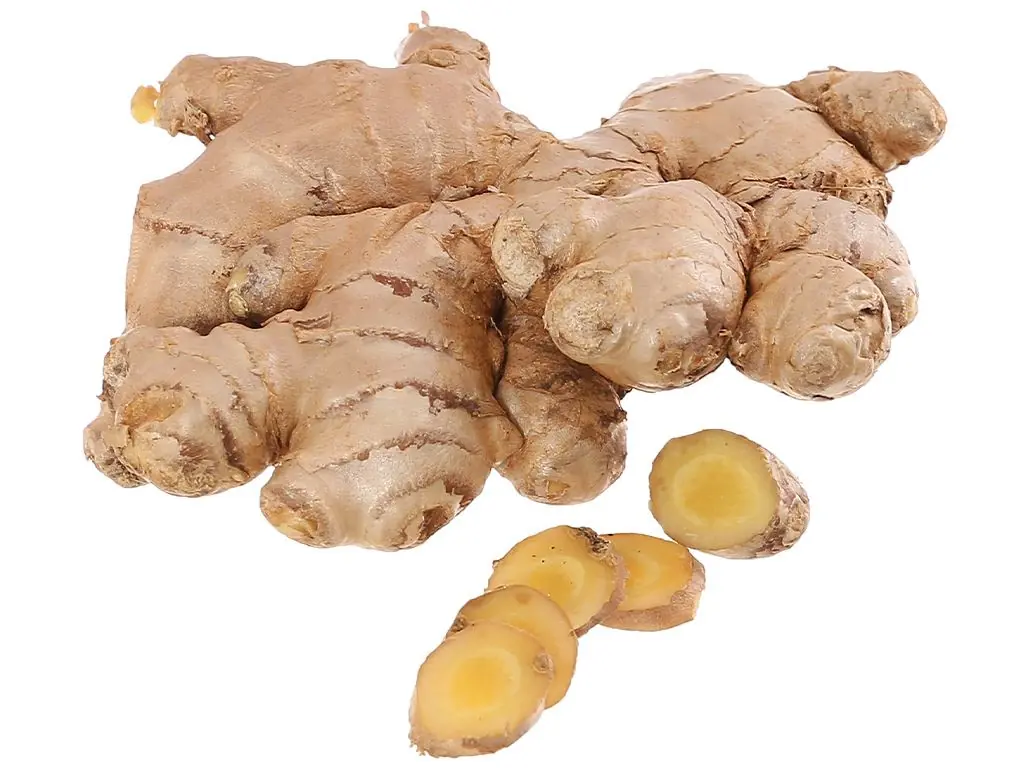
Ginger has natural blood-thinning properties, which means it can slow down blood clotting. While this effect may benefit some people, it can be risky for individuals who already have bleeding disorders.
People with conditions such as hemophilia or those who bruise or bleed easily should be cautious with ginger consumption. Large amounts of ginger may increase the risk of bleeding, especially if combined with medications that also thin the blood.
2. People Taking Blood-Thinning Medications
Because ginger can affect blood clotting, it may interact with anticoagulant or antiplatelet medications.
Examples include medications commonly prescribed to prevent blood clots. Combining these medications with high amounts of ginger may increase the risk of excessive bleeding or bruising.
If you regularly take blood-thinning medication, it is best to consult your doctor before using ginger supplements or consuming large quantities of ginger.
3. Gallbladder Problems
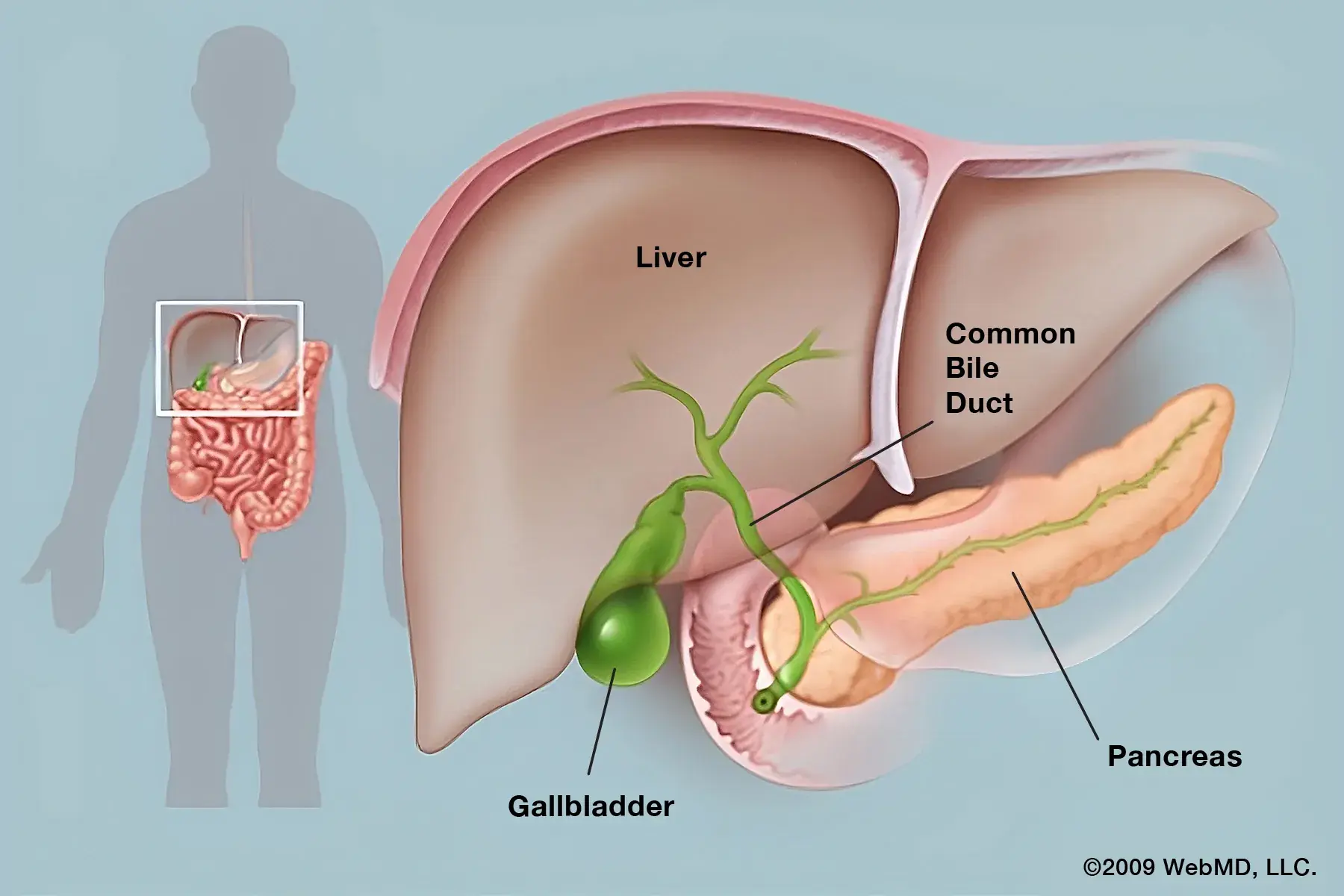
Ginger may stimulate the production of bile, which helps digest fats. However, this effect could potentially worsen symptoms in people who have gallbladder disease or gallstones.
Increased bile flow may trigger discomfort or complications in individuals with existing gallbladder issues. If you have been diagnosed with gallstones or gallbladder disease, talk to your healthcare provider before adding ginger to your diet regularly.
4. Low Blood Pressure
Some studies suggest that ginger may help lower blood pressure. While this can be beneficial for people with hypertension, it may cause problems for individuals who already have low blood pressure.
Consuming large amounts of ginger could potentially lead to symptoms such as:
-
Dizziness
-
Lightheadedness
-
Weakness
-
Fainting
People who experience low blood pressure should monitor their ginger intake and discuss it with their doctor if they notice symptoms.
5. Diabetes (When Taking Medication)
Ginger may help lower blood sugar levels, which is often considered beneficial. However, for people with diabetes who are already taking medications to control blood sugar, consuming large amounts of ginger could cause blood sugar to drop too low.
Low blood sugar (hypoglycemia) can lead to symptoms such as:
-
Sweating
-
Shaking
-
Confusion
-
Fatigue
People with diabetes should monitor their blood sugar carefully and consult a healthcare professional before using ginger supplements.
How Much Ginger Is Generally Safe?
For most healthy adults, ginger is safe when consumed in moderate amounts through food or beverages such as ginger tea. Many health experts suggest limiting ginger intake to about 3–4 grams per day from all sources.
Pregnant women are often advised to consume even less, typically no more than 1 gram per day, unless directed otherwise by a healthcare provider.
Final Thoughts
Ginger is a nutritious and versatile ingredient that offers many potential health benefits. However, natural remedies are not always suitable for everyone. Certain health conditions and medications can make ginger less safe to consume in large amounts.
If you have a medical condition, take prescription medications, or plan to use ginger supplements regularly, it is always wise to consult a healthcare professional first. A doctor can help determine whether ginger is appropriate for your individual health needs.
Sources:
-
National Center for Complementary and Integrative Health (NCCIH) – Ginger
-
Mayo Clinic – Herbal supplements and medication interactions
-
Cleveland Clinic – Ginger health benefits and precautions
-
Harvard Health Publishing – Herbs and dietary supplements
-
Medical News Today – Ginger benefits and risks