For centuries, garlic has been one of the most valued natural ingredients in traditional medicine and folklore. Known scientifically as Allium sativum, garlic is widely used not only in cooking but also in home remedies around the world. Many cultures believe that garlic holds powerful health benefits, ranging from boosting immunity to protecting against illness.
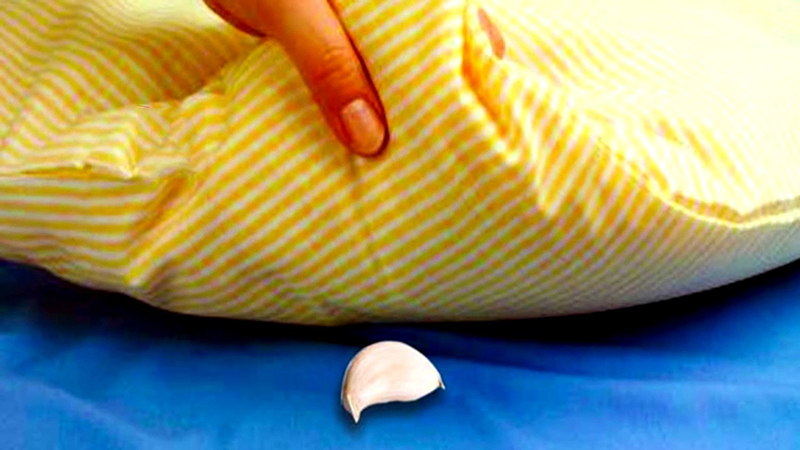
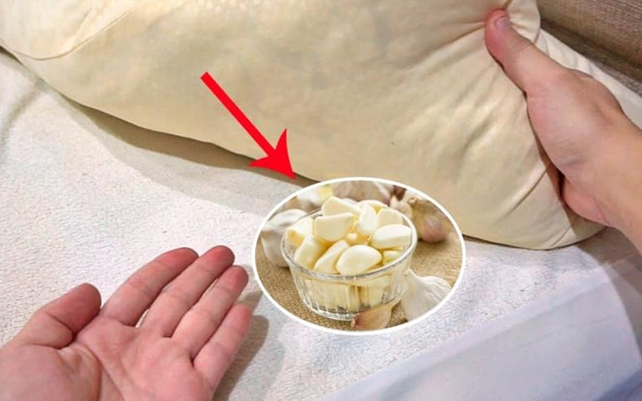
One particularly interesting tradition suggests placing a clove of garlic under your pillow before going to sleep. While this practice might sound unusual at first, it has been part of folk remedies in many parts of the world for generations. Supporters claim it may help improve sleep, promote relaxation, and even protect the body from negative influences.
But what really happens if you try this simple nighttime ritual? Let’s explore the possible reasons behind this long-standing tradition.

A Tradition Rooted in Ancient Beliefs
Historically, garlic has been associated with protection and purification. In ancient cultures across Europe, Asia, and the Middle East, garlic was believed to ward off evil spirits, negative energy, and illness.
People often hung garlic in their homes, placed it near doorways, or even carried it in small bags as a form of protection. Over time, the idea of keeping garlic close during sleep developed as a way to guard the body during the most vulnerable hours of the night.
Although these beliefs were largely symbolic, they helped shape the idea that garlic could create a sense of safety and calm while sleeping.
Garlic’s Natural Compounds
From a scientific perspective, garlic contains several powerful compounds that contribute to its reputation as a health-boosting food. One of the most important is allicin, a sulfur-containing compound released when garlic is crushed or cut.
Allicin is known for its antibacterial, antiviral, and anti-inflammatory properties. Garlic also contains antioxidants and nutrients such as vitamin C, vitamin B6, and manganese.
Even though placing garlic under a pillow does not directly allow these nutrients to enter the body, its strong aroma may still influence the surrounding environment and personal comfort.
The Aroma and Relaxation
Garlic has a distinct, strong scent that comes from sulfur compounds. While some people may find the smell unpleasant, others believe it can have calming effects.
Certain traditional practices suggest that the smell of garlic may help clear the nasal passages, making breathing feel easier at night. When breathing becomes more comfortable, the body may naturally relax, potentially leading to better sleep quality.
Additionally, many bedtime rituals work simply because they create a psychological signal that it is time to rest. Placing garlic under the pillow could function as part of such a ritual, helping the mind transition into sleep mode.
Possible Support for Sleep Quality
Sleep problems are common in modern life. Stress, screen exposure, and irregular schedules can make it difficult for many people to relax at night.
Some advocates of this garlic tradition believe the scent of garlic may help create a soothing sleep environment. While scientific evidence specifically supporting garlic under the pillow is limited, aromatherapy studies show that certain smells can influence relaxation and mood.
Because garlic has a strong natural aroma, it may mask other odors in the room and create a sensory signal associated with bedtime routines.
A Natural Pest Deterrent
Another practical reason some people keep garlic nearby is its natural insect-repelling properties.
Garlic contains sulfur compounds that insects often dislike. In certain regions, placing garlic near sleeping areas has traditionally been used as a way to discourage pests such as mosquitoes or small insects.
While it may not replace modern pest control methods, this practice could reduce the likelihood of insects lingering around the bed, contributing to a more comfortable sleep environment.
Cultural and Symbolic Meanings
Beyond potential physical effects, garlic under the pillow often carries symbolic meaning.
In many cultures, garlic represents:
-
Protection
-
Strength
-
Purification
-
Health
These symbolic associations may provide a sense of psychological comfort, especially for individuals who grew up hearing about these traditions. Feeling safe and protected can have a powerful influence on how easily someone falls asleep.
Sometimes, the belief in a ritual itself can help the mind relax.
The Placebo Effect and Sleep Rituals
Modern psychology highlights the importance of sleep rituals. Activities that signal the body it is time to rest—such as reading, meditating, or turning off lights—can improve sleep patterns.
Placing garlic under the pillow may work in a similar way. Even if the effect is partly psychological, the brain may associate the ritual with comfort and relaxation, helping the body transition more smoothly into sleep.
The placebo effect is not necessarily negative. In fact, many harmless bedtime habits can provide genuine benefits simply because they encourage relaxation.
Should You Try It?
Putting garlic under your pillow is generally harmless, provided the garlic is fresh and wrapped so it does not stain bedding. However, it may not be suitable for everyone.
People who are sensitive to strong smells might find the odor distracting rather than relaxing. Others may simply prefer other bedtime routines.
If curiosity strikes, experimenting with this simple tradition could be interesting. After all, it is a low-cost and natural practice that has existed for centuries.
Final Thoughts
The idea of placing a clove of garlic under your pillow before sleeping may seem unusual, but it reflects a fascinating blend of ancient traditions, cultural beliefs, and natural health practices.
While there is limited scientific proof that this habit directly improves sleep, garlic’s strong aroma, symbolic meaning, and role in bedtime rituals may contribute to a sense of calm and comfort for some individuals.
Whether viewed as folklore, a psychological ritual, or simply an interesting experiment, this tradition reminds us that many simple habits passed down through generations continue to spark curiosity today.
And sometimes, the smallest nighttime rituals can make the biggest difference in how relaxed we feel when it is finally time to close our eyes and rest.