Your liver is one of the most vital organs in the body — responsible for filtering toxins, processing nutrients, and managing fats. When fat begins to build up inside liver cells faster than your body can process it, this leads to fatty liver disease (also known as hepatic steatosis). Over time, that excess fat can trigger inflammation and impair your liver’s ability to function effectively.
What Causes Fatty Liver Disease?
The condition typically develops when a person consumes more calories and fats than the liver can metabolize. These excess fats accumulate within the liver tissue, eventually leading to inflammation and injury.
One of the most common risk factors is obesity — studies show that around 75% of obese individuals will develop some degree of fatty liver disease. However, weight isn’t the only factor.
Other potential causes include:
-
Type 2 diabetes and insulin resistance, which interfere with how the body processes sugar and fat.
-
Excessive alcohol consumption, which can overwhelm the liver and lead to alcoholic fatty liver disease.
-
High cholesterol and triglyceride levels, which contribute to fat buildup in liver cells.
-
Poor diet, particularly one high in processed foods, sugars, and saturated fats.
-
Certain medications or rapid weight loss can also play a role.
In fact, research shows that 90–100% of individuals who abuse alcohol will eventually develop fatty liver.
Why Recognizing the Symptoms Matters
Because fatty liver disease often develops silently, many people don’t realize they have it until it has already progressed. Knowing the early warning signs is key to preventing more serious complications such as liver cirrhosis or liver failure.
Below are 10 common symptoms that could signal you’re developing — or already have — fatty liver disease.
1. Exhaustion or Persistent Fatigue

One of the earliest indicators of liver dysfunction is unexplained fatigue or weakness. You might feel drained even after a full night’s sleep, or notice that routine activities take more effort than usual. This happens because a struggling liver can’t efficiently convert nutrients into energy.
If you experience prolonged tiredness, confusion, or mental fog, consider it a potential warning sign and speak with your doctor.
2. Jaundice (Yellowing of the Skin or Eyes)
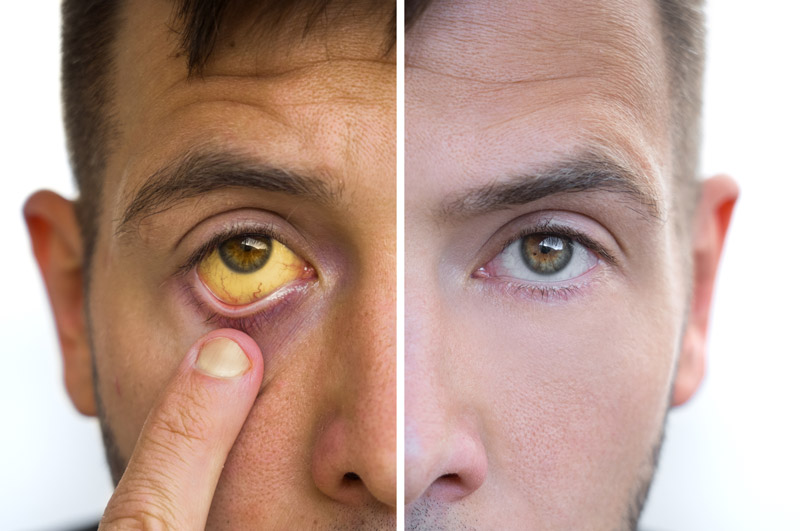
A classic symptom of liver trouble is jaundice, characterized by yellowing of the skin and the whites of the eyes. This occurs when bile — a digestive fluid produced by the liver — cannot flow properly and causes a buildup of bilirubin in the blood.
You might also notice small, itchy yellow bumps or an overall dull complexion. Jaundice should always be examined by a healthcare professional, as it can indicate not just fatty liver, but other serious liver disorders as well.
3. Changes in Urine or Stool Color
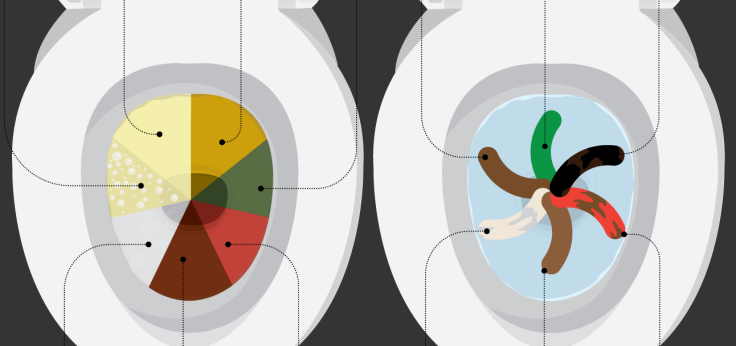
Your liver plays a major role in processing waste, so changes in urine and stool color can be important clues.
-
Dark-colored urine may signal that your liver isn’t filtering bilirubin effectively.
-
Light or clay-colored stools, sometimes with a strong odor, may suggest a blockage in bile flow.
If you notice either of these symptoms, seek medical advice promptly — they could indicate progressing liver dysfunction.
4. Other Skin Changes
In addition to jaundice, subtle skin changes may appear as the liver struggles to process fats and toxins.
Watch for:
-
Dark patches or discoloration on the neck, underarms, or other skin folds.
-
Broken or visible blood vessels on the face, shoulders, or chest.
-
Red palms or pale nail beds, which can also be linked to liver stress.
Your skin often mirrors what’s happening inside your body — so persistent or unusual changes shouldn’t be ignored.
5. Abdominal Pain or Discomfort
Pain or pressure in the upper right area of your abdomen, where the liver sits, may indicate inflammation or swelling. Some people describe it as a dull ache, while others feel sharp discomfort, especially after eating fatty foods or alcohol.
If the pain is accompanied by vomiting with blood or bloody stools, seek medical attention immediately, as these symptoms can signal internal bleeding or advanced liver disease.
6. Abdominal Swelling (Ascites)
A swollen or distended abdomen that feels firm or tight could be a sign of ascites, a condition where fluid builds up in the abdominal cavity. This typically occurs when liver damage becomes severe and blood flow through the organ is restricted.
You might notice your belly button pushing outward or a feeling of heaviness in the stomach area. Ascites requires immediate medical care, as it can lead to infection or further complications if untreated.
The Bottom Line
Fatty liver disease may start quietly, but its long-term impact can be serious. The good news is that it’s often reversible in its early stages with lifestyle changes — such as improving your diet, maintaining a healthy weight, limiting alcohol, and exercising regularly.
If you recognize any of the symptoms listed above, don’t ignore them. Early diagnosis through blood tests or imaging scans can help prevent permanent liver damage and restore your health before complications develop.
Your liver is resilient — but it needs your help to stay that way.