Warning: Experts Say These 4 Types of Electric Kettles May Pose Hidden Health Risks
Electric kettles have become an essential appliance in many households. They are convenient, quick, and widely used for boiling water, making tea, coffee, or instant meals. However, experts warn that not all electric kettles are equally safe.
According to consumer safety specialists, some types of kettles may pose potential health risks if they are made from low-quality materials or if they are damaged after long periods of use. Understanding which kettles to avoid can help protect both your health and your family.
1. Cheap Plastic Electric Kettles
One of the most commonly criticized products is low-quality plastic kettles. These kettles are usually inexpensive and lightweight, which makes them attractive to buyers.
However, if the plastic is not food-grade or heat-resistant, it may release harmful chemicals when exposed to high temperatures. Over time, repeated heating could cause substances from the plastic to mix with the boiling water.
Experts recommend choosing kettles made from high-quality stainless steel or certified BPA-free materials to reduce potential risks.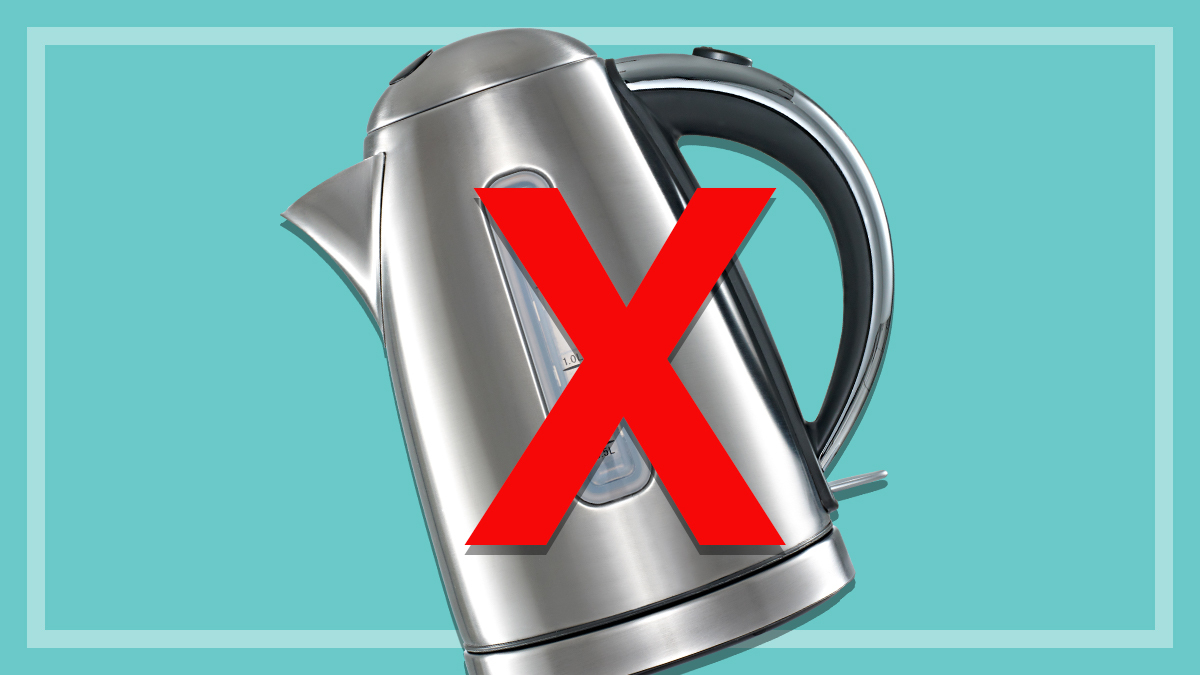
2. Rusted or Damaged Metal Kettles
Electric kettles that show signs of rust, corrosion, or peeling coating should not continue to be used.
When the inner layer becomes damaged, tiny metal particles or residues may contaminate the water. Besides affecting taste, this could also introduce unwanted substances into the body over time.
If rust appears inside the kettle or the coating starts to flake off, it is best to replace the appliance immediately.
3. Kettles with Strong Chemical Smells
Another warning sign is a kettle that releases a strong plastic or chemical odor during heating.
This smell may indicate poor-quality materials or manufacturing defects. Even after multiple uses, the odor may persist and could affect the safety and taste of the water.
If the smell does not disappear after several cleaning cycles, experts recommend stopping use and replacing the kettle.
4. Old Kettles Used for Too Many Years
Like many electrical appliances, electric kettles also have a lifespan. Over time, heating elements, seals, and internal coatings can degrade.
Older kettles may accumulate limescale, mineral deposits, or worn components, which may reduce efficiency and potentially affect water quality.
For safety reasons, experts suggest regularly checking kettles for damage and replacing them when they show clear signs of aging.
How to Choose a Safer Electric Kettle
To reduce potential risks, consumers should consider a few simple guidelines:
-
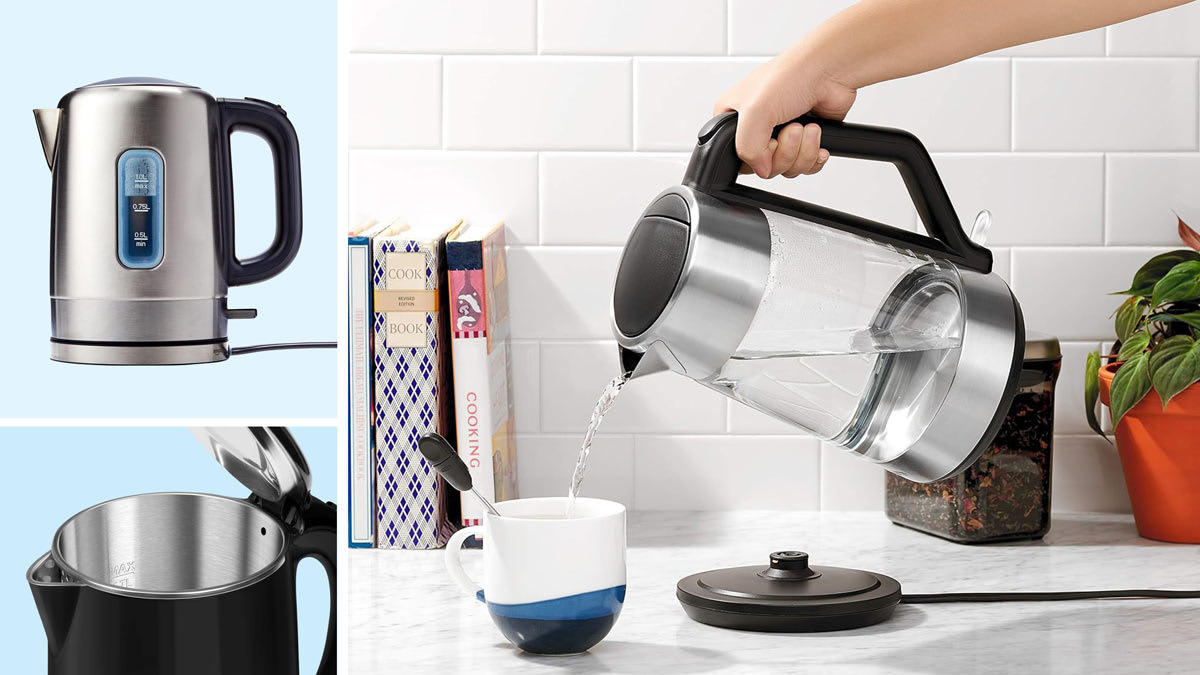
Choose kettles made from stainless steel or heat-resistant glass
-
Avoid extremely cheap products with unclear material information
-
Check certification labels and brand reliability
-
Clean the kettle regularly to remove mineral deposits
-
Replace the appliance if you notice rust, unusual odors, or damage
A Common Appliance That Should Not Be Ignored
Electric kettles are used daily in many homes, so their safety should not be overlooked. Paying attention to the material, condition, and quality of the appliance can help prevent potential health risks.
Sometimes, a simple change in household habits can make a big difference in protecting your family’s well-being.