Many households experience a common problem with refrigerators: thick layers of ice forming inside the freezer compartment. Over time, this ice buildup can become so heavy that it reduces the storage space, affects cooling efficiency, and increases electricity consumption.
While many people believe defrosting a freezer requires hours of waiting, experts say there are simple techniques that can help melt ice much faster and restore your refrigerator’s performance.
Understanding why ice forms and how to remove it safely can help homeowners keep their appliances running efficiently while also reducing energy costs.
Why Ice Builds Up in Refrigerators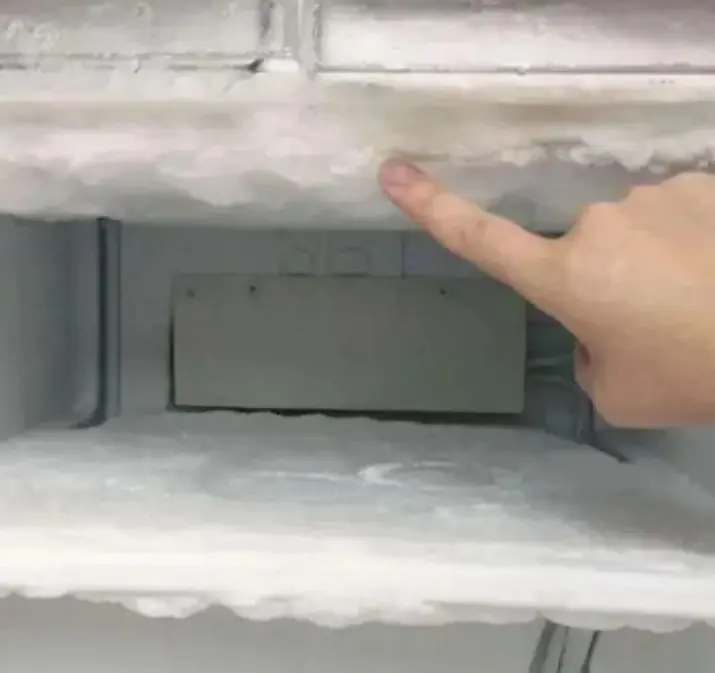
Ice buildup inside a freezer typically occurs when moisture enters the compartment and freezes repeatedly. Several factors can contribute to this issue.
One common cause is frequently opening and closing the refrigerator door. Each time the door opens, warm air from the room enters the freezer. When the door closes, this warm air cools rapidly and the moisture inside it freezes.
Another reason is damaged or worn door seals. If the rubber gasket around the refrigerator door is not airtight, warm air can continuously leak into the freezer, causing ice to form.
Improper food storage can also contribute to the problem. Placing hot food inside the refrigerator or leaving containers uncovered may release moisture that eventually turns into frost or thick ice.
Why Ice Buildup Is a Problem
Although a small amount of frost is normal, thick layers of ice can cause several issues.
First, ice buildup reduces the available storage space inside the freezer. This makes it harder to organize food and may block air circulation.
Second, excessive ice forces the refrigerator to work harder to maintain cold temperatures. As a result, the compressor runs longer and consumes more electricity.
Over time, this can increase energy bills and shorten the lifespan of the appliance.
A Simple Method to Melt Ice Faster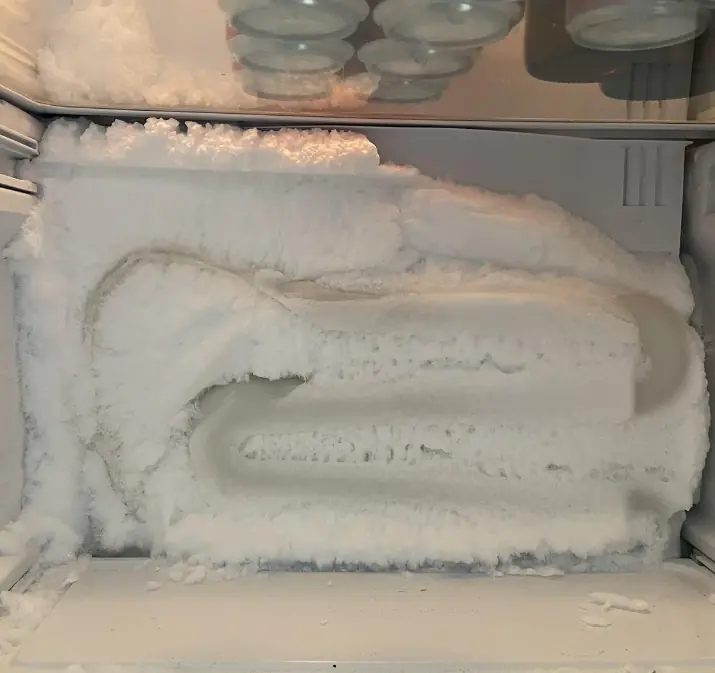
One effective way to speed up the defrosting process involves using warm water.
First, unplug the refrigerator to ensure safety. Then remove all food items from the freezer compartment.
Next, place a bowl or container of hot water inside the freezer and close the door for several minutes. The heat from the water helps warm the air inside the freezer, causing the ice to soften and melt faster.
After about 10 to 15 minutes, the ice will begin to loosen. Large pieces can often be removed gently using a plastic scraper or cloth.
It is important not to use sharp metal objects to remove ice, as they can damage the refrigerator walls or cooling system.
Cleaning the Freezer After Defrosting
Once the ice has melted, wipe the freezer interior with a dry towel to remove moisture. Cleaning the surfaces also helps prevent new frost from forming quickly.
Some people use a mild mixture of warm water and baking soda to clean the freezer. This helps eliminate odors and keeps the compartment fresh.
Before plugging the refrigerator back in, make sure the interior is completely dry.
Preventing Future Ice Buildup
After removing the ice, a few simple habits can help prevent it from forming again.
Try to limit how often the freezer door is opened. Make sure the door closes tightly each time.
Check the rubber door gasket regularly to ensure it seals properly. If it appears cracked or loose, replacing it may help improve efficiency.
Avoid placing hot food directly into the refrigerator. Allow food to cool first to reduce moisture inside the appliance.
Saving Energy and Extending Appliance Life
Keeping the freezer free from thick ice buildup does more than just improve storage space. It also allows the refrigerator to operate more efficiently.
When the appliance does not need to work as hard to maintain cold temperatures, it uses less electricity. This can help lower energy bills and reduce wear on the refrigerator’s components.
Regular maintenance and occasional defrosting are simple steps that can make a big difference in both energy savings and appliance longevity.