Clogged or slow-draining sinks are among the most common household plumbing problems. Over time, grease, soap residue, food particles, and other debris can accumulate inside pipes, gradually restricting water flow. While commercial drain cleaners promise quick results, many homeowners prefer natural or inexpensive alternatives. One surprisingly popular home remedy involves pouring salt down the drain—often at night.
At first glance, this method may sound unusual, but the idea behind it is relatively simple. Salt has natural properties that can help break down certain types of buildup inside pipes, making it a useful ingredient in homemade drain-cleaning solutions.
How Salt Can Help Clean Drains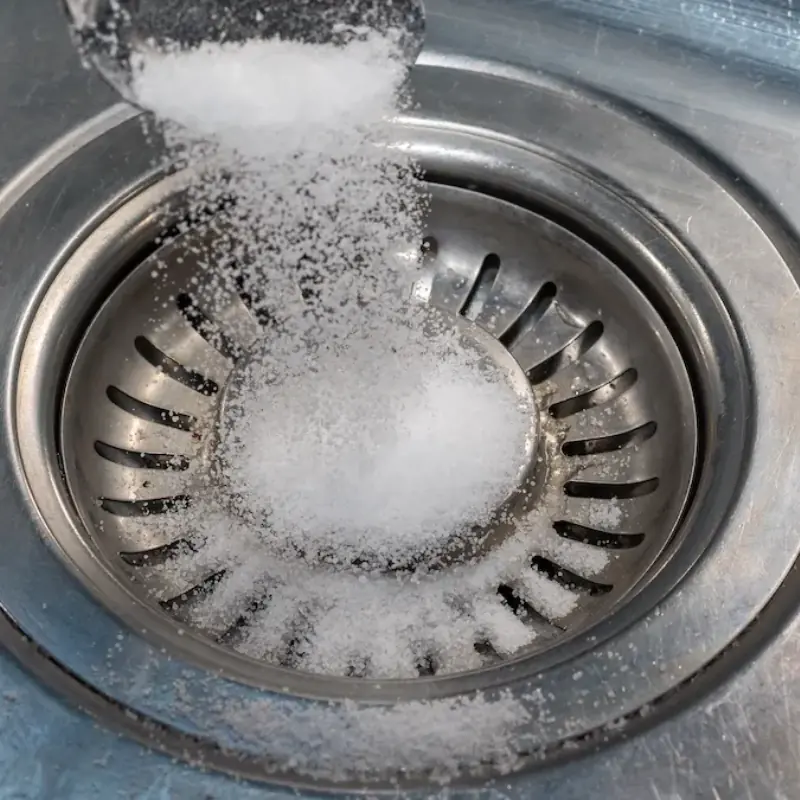
Salt works as a mild abrasive and moisture-absorbing substance. When poured into a drain, the grains can help scrub away grease, grime, and soap residue that may be sticking to the inner surfaces of pipes. ()
In addition, salt can absorb moisture and loosen debris that contributes to small blockages. This action may help dislodge buildup and allow it to move further down the plumbing system when the drain is flushed with water later. ()
Salt is particularly helpful for breaking down grease and emulsified fats that accumulate in kitchen sinks after cooking or washing dishes. ()
Because these substances are a common cause of clogged drains, regularly cleaning the pipes with simple household ingredients may help prevent problems before they become serious.
Why People Do It at Night
Many home maintenance guides recommend pouring salt down the drain before going to bed. The reason is simple: leaving the salt in the pipes overnight gives it more time to interact with grease and residue.
During the night, the drain is typically unused, which allows the salt to sit in the pipes longer and potentially loosen buildup. In the morning, homeowners often flush the drain with hot water to help wash away any debris that has been softened or broken down.
This method is sometimes combined with other ingredients to increase effectiveness.
Combining Salt With Other Household Ingredients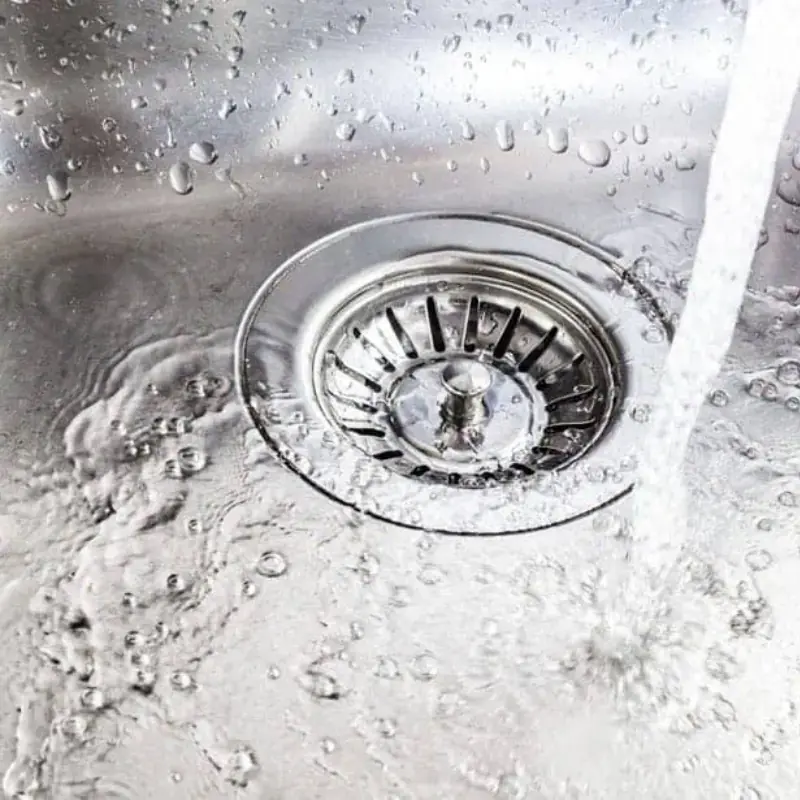
Salt is rarely used completely on its own. In many homemade drain-cleaning recipes, it is mixed with ingredients such as baking soda or vinegar.
For example, some cleaning methods suggest pouring a mixture of baking soda and salt down the drain, then following it with hot water or vinegar. The combination can help dissolve grease and loosen debris, making it easier for water to carry the particles away. ()
The fizzing reaction created when baking soda and vinegar mix can also help break down grime and mineral buildup in the pipes. ()
This natural cleaning approach is often preferred by people who want to avoid harsh chemical cleaners that may produce strong fumes or damage plumbing over time.
A Preventive Maintenance Trick
In many cases, pouring salt down the drain is used more as a preventive measure than a solution for severe clogs. Regular maintenance can help keep pipes cleaner and reduce the likelihood of buildup forming in the first place.
Some plumbing experts recommend occasional cleaning with natural ingredients such as baking soda, salt, and hot water to keep drains flowing smoothly. ()
When used periodically, these methods may help reduce unpleasant odors and slow drainage that can develop when grease or soap accumulates.
Limitations of the Method
Although salt can help with minor buildup, it is important to understand that this trick is not a miracle solution for every plumbing problem.
Experts note that salt works best for small clogs caused by grease or soft debris. It is much less effective against larger obstructions such as hair, solid food particles, or objects stuck in the pipe. ()
In addition, regularly pouring large amounts of salt down the drain is not always recommended, as excessive use could potentially contribute to plumbing issues over time. ()
For severe blockages or recurring drain problems, professional plumbing services may be required.
Additional Tips for Keeping Drains Clean
While the salt trick can help maintain drains, prevention remains the best strategy for avoiding clogs. Simple habits can make a significant difference in keeping plumbing systems working properly.
For example, using a drain strainer can catch food scraps, hair, and other debris before they enter the pipes. Avoid pouring cooking grease, coffee grounds, or fibrous foods down the sink, as these substances commonly cause blockages.
Regularly flushing drains with hot water can also help dissolve grease and prevent buildup from forming inside pipes.
A Simple Household Hack
Pouring salt down the drain at night is a small household trick that many people use as part of their cleaning routine. While it may not solve every plumbing problem, it can help loosen minor buildup and keep drains fresher when combined with proper maintenance.
In the end, simple habits—like cleaning drains regularly and being mindful of what goes down the sink—can go a long way toward preventing costly plumbing issues and keeping household systems running smoothly.