Eggs are one of the most common and versatile foods in kitchens around the world. They are affordable, nutritious, and can be prepared in countless ways—from boiling and frying to baking and cooking in various dishes. When shopping for eggs, however, many people notice that eggs often come in different shell colors, most commonly white and brown (often called red eggs in some regions).
This difference in color leads many consumers to wonder: Are red eggs healthier than white eggs? Do they taste different? Which one should you choose when buying eggs? The truth is that the color of an eggshell does not necessarily indicate differences in nutrition or quality. Instead, the color mainly depends on the type of chicken that laid the egg.
Understanding the differences between red and white eggs can help you make more informed choices when buying eggs.
Why Eggs Have Different Colors
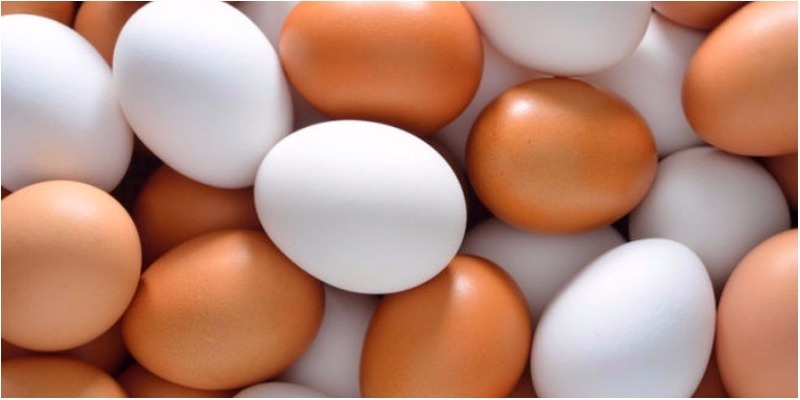
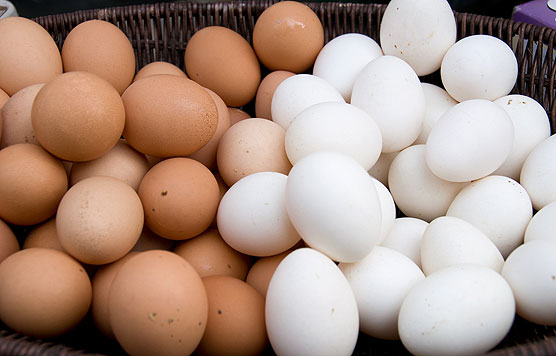
The color of an eggshell is determined primarily by the breed of the chicken that produces the egg. Chickens with white feathers and white earlobes usually lay white eggs, while chickens with darker feathers and reddish earlobes tend to lay brown or reddish eggs.
This difference is completely natural and does not significantly affect the egg's internal composition. Both white and red eggs contain similar nutrients and can be used in the same recipes.
Therefore, shell color is mainly a genetic trait rather than a sign of nutritional superiority.

Nutritional Differences Between Red and White Eggs
Many people assume that brown or red eggs are more nutritious than white eggs, but scientific studies generally show that the nutritional content of both types is very similar.
Both red and white eggs typically contain:
-
High-quality protein
-
Vitamin B12
-
Vitamin D
-
Choline
-
Selenium
-
Essential amino acids
These nutrients play important roles in supporting muscle development, brain function, and overall health.
The nutritional value of eggs is influenced more by the diet and living conditions of the chickens than by the color of the shell.
For example, eggs from chickens that are fed specialized diets may contain slightly higher levels of certain nutrients, but this difference is not related to shell color.
Do Red Eggs Taste Different?
Another common question is whether red eggs taste better than white eggs. In reality, most people cannot reliably distinguish between them based on taste alone.
The flavor of eggs is mainly affected by factors such as:
-
The chicken’s diet
-
Freshness of the egg
-
Cooking method
-
Storage conditions
For instance, eggs from chickens raised on farms with diverse diets may have slightly richer flavors compared to eggs produced in large-scale commercial operations. However, this difference applies to both white and red eggs.
As a result, shell color alone does not determine taste.
Why Red Eggs Are Often More Expensive
In many supermarkets, red or brown eggs are often priced slightly higher than white eggs. This price difference sometimes leads consumers to assume that brown eggs are superior.
The higher price usually comes from production costs rather than nutritional differences.
Chickens that lay brown or red eggs tend to be larger birds that consume more feed. Because they require more food to maintain, the cost of raising them can be slightly higher. This increased cost may be reflected in the price of the eggs.
Therefore, the price difference is related to farming economics rather than egg quality.
What Really Matters When Choosing Eggs
Instead of focusing solely on shell color, it may be more helpful to consider other factors when choosing eggs.
Freshness
Fresh eggs generally have better flavor and texture. Checking the packaging date or expiration date can help ensure that the eggs are recently produced.
Farming Practices
The way chickens are raised can influence egg quality. Some eggs come from chickens that have more space to move around or different feeding conditions.
Consumers may choose eggs produced under farming methods that align with their personal preferences or values.
Egg Size
Eggs are typically categorized by size, such as small, medium, large, or extra large. Recipes often specify a particular size because it affects the quantity of egg content.
Choosing the right size may be more important for cooking and baking than shell color.
Storage and Handling of Eggs
Regardless of whether eggs are white or red, proper storage is important for maintaining freshness and safety.
Eggs should be stored in the refrigerator to slow bacterial growth and preserve quality. Keeping eggs in their original carton helps protect them from absorbing strong odors from other foods.
It is also recommended to cook eggs thoroughly and handle them carefully during food preparation.
Final Thoughts
The choice between red eggs and white eggs often comes down to personal preference rather than nutritional differences. The color of the eggshell is mainly determined by the breed of the chicken and does not significantly affect the egg’s taste or health benefits.
Both types of eggs provide valuable nutrients such as protein, vitamins, and minerals that support a balanced diet.
When choosing eggs, factors such as freshness, farming practices, and storage conditions may be more important than shell color. By understanding what really influences egg quality, consumers can make better decisions when purchasing this versatile and nutritious food.
In the end, whether you choose red eggs or white eggs, both can be a healthy and delicious addition to everyday meals.