Many homeowners enjoy decorating their yards and gardens with beautiful plants, shrubs, and greenery. Plants can create a relaxing environment, improve air quality, and add natural beauty to outdoor spaces. However, what many people do not realize is that certain types of plants and landscaping choices can unintentionally attract snakes to the yard.
It is important to understand that snakes are not usually attracted to plants themselves. Instead, they are drawn to the shelter, shade, moisture, and food sources that certain plants may create. Thick vegetation, dense bushes, and ground cover can provide ideal hiding places for snakes. In addition, these areas may attract insects, rodents, or frogs, which are common prey for many snake species.
If you want to reduce the chances of snakes appearing near your home, it can help to recognize the types of plants that create environments snakes prefer. Below are five common plants that may contribute to snake-friendly conditions in a yard.
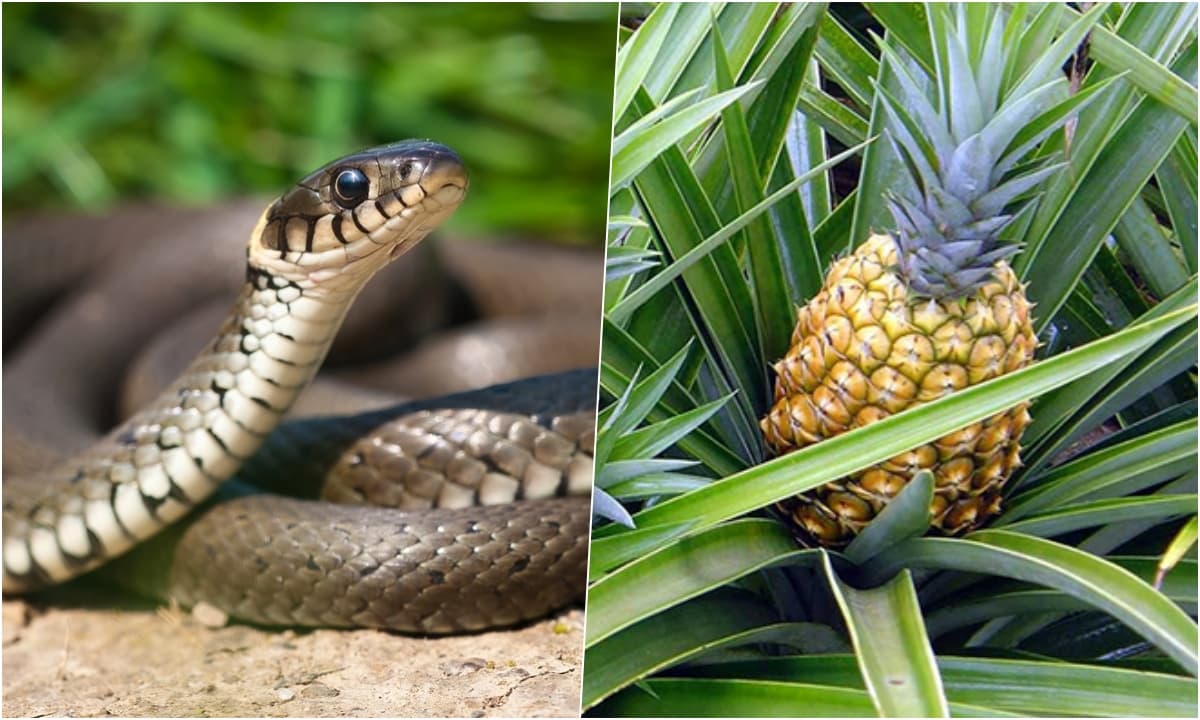
1. Dense Ground Cover Plants
Ground cover plants are extremely popular among homeowners because they help fill empty spaces in gardens and prevent soil erosion. Plants such as ivy, creeping vines, and thick spreading greenery can create a lush carpet across the ground.
While these plants look attractive, they can also create dark, cool hiding spots close to the soil surface. Snakes prefer areas where they can hide easily while remaining protected from predators and extreme temperatures.
Because ground cover plants grow densely and close to the ground, they provide excellent cover for small animals like mice and insects. When these prey animals gather in the area, snakes may follow.
For this reason, large patches of dense ground cover near the house may increase the likelihood of snakes hiding in the yard.
2. Tall Ornamental Grasses
Tall ornamental grasses are widely used in landscaping because they add texture and movement to gardens. Plants such as fountain grass, pampas grass, and other tall varieties are commonly planted around homes.
However, these grasses can grow thick and tall, creating shaded spaces near the ground. When grass clumps become large and untrimmed, they provide excellent shelter for small animals and insects.
Snakes often prefer these areas because they offer protection from sunlight and predators while still allowing easy movement through the vegetation.
Regular trimming and keeping ornamental grasses well maintained can reduce the chances of them becoming hiding places.
3. Fruit Trees and Berry Bushes
Fruit trees and berry bushes are popular additions to home gardens because they provide fresh produce and attract birds. However, they may also attract small animals such as rodents, squirrels, and insects.
When fallen fruit accumulates on the ground, it can become a food source for these animals. Since snakes commonly hunt rodents and other small creatures, they may be drawn to areas where prey is abundant.
Berry bushes that grow thick and close to the ground can also create shaded hiding places. If fruit trees and bushes are not properly maintained, they may unintentionally create environments where snakes feel comfortable.
Keeping the area clean and removing fallen fruit regularly can help reduce this risk.
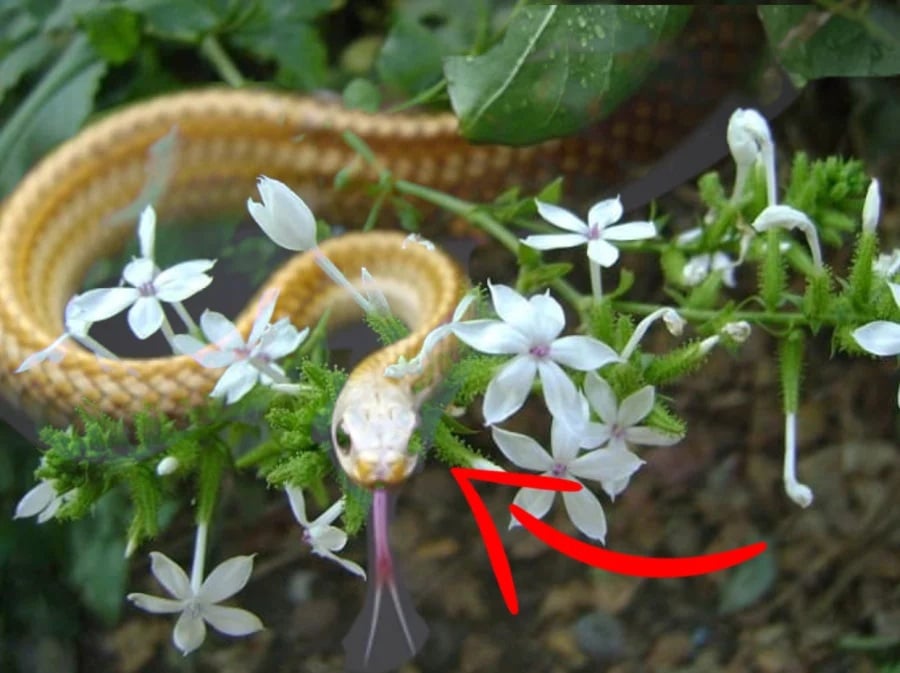
4. Dense Shrubs and Bushes
Shrubs and bushes are commonly used to create privacy hedges or decorative landscaping features. While they provide shade and visual appeal, very dense bushes can also become excellent hiding spots for wildlife.
When shrubs grow too thick or are not trimmed regularly, they may create hidden spaces underneath the branches. These spaces can remain cool and undisturbed, making them attractive shelters for snakes during the day.
In addition, dense bushes may trap moisture, which can attract insects and amphibians that snakes may feed on.
Maintaining shrubs through regular pruning and ensuring good visibility underneath them can help discourage snakes from settling there.
5. Water-Loving Plants Near Ponds
Plants that grow near water features such as ponds, fountains, or small backyard streams can also attract wildlife. Aquatic plants and moisture-loving vegetation often create environments that attract frogs, insects, and other small animals.
Because many snake species feed on amphibians and insects, these areas can become hunting grounds for them.
While water features can enhance the beauty of a yard, they should be maintained carefully to prevent excessive vegetation growth around the edges. Clear visibility and proper landscaping can help reduce hiding places for snakes.
How to Make Your Yard Less Attractive to Snakes
Instead of focusing only on removing certain plants, homeowners can reduce the chances of snakes appearing by maintaining a well-organized yard.
Several simple practices can help:
-
Keep grass trimmed and avoid overgrown vegetation
-
Remove piles of leaves, wood, or debris
-
Clean up fallen fruit or food sources
-
Maintain clear pathways and open spaces in the garden
-
Trim bushes and ground cover regularly
Snakes generally prefer quiet, hidden areas where they can move unnoticed. By reducing these hiding places, you can make your yard less appealing to them.
Understanding the Role of Snakes in Nature
It is also important to remember that snakes play an important role in natural ecosystems. Many species help control rodent populations and maintain ecological balance.
In many cases, snakes enter yards simply because they are searching for food or shelter rather than trying to interact with people.
Maintaining a clean and organized outdoor space is often enough to encourage snakes to move elsewhere.
Final Thoughts
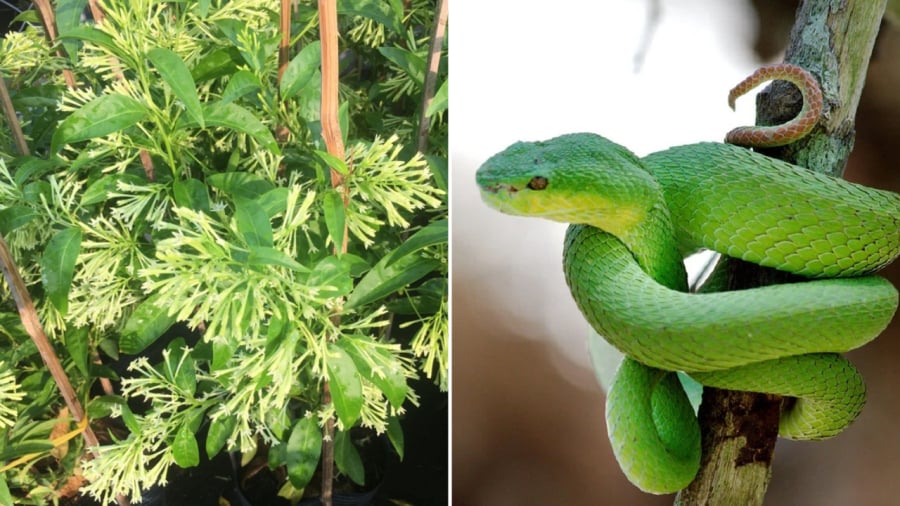
Plants and landscaping choices can influence the type of wildlife that appears in a yard. Dense ground cover, tall ornamental grasses, fruit trees, thick shrubs, and water-loving plants can sometimes create environments that attract snakes indirectly by providing shelter or food sources.
This does not mean these plants must always be removed, but proper maintenance and thoughtful landscaping can greatly reduce the likelihood of snakes visiting your garden.
By keeping vegetation trimmed, removing debris, and maintaining open, well-lit spaces, homeowners can create a safer and more comfortable outdoor environment while still enjoying the beauty of their gardens.