If You Have a Small Round Mark on Your Arm, It May Reveal a Little-Known Piece of History
Many people notice a small, round scar on the upper arm but rarely think much about where it came from. For millions of people around the world, however, that tiny mark is actually linked to an important chapter in medical history.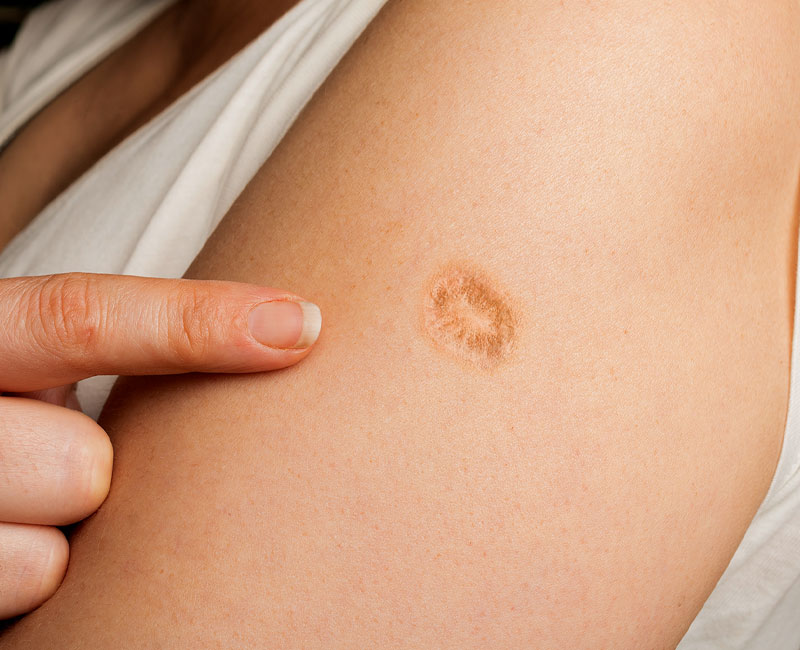
In fact, the circular mark on the arm is often the result of a vaccine given decades ago during global campaigns to stop one of the most dangerous diseases humanity has ever faced: smallpox.
A Tiny Scar With a Big Historical Meaning
For much of human history, smallpox was one of the deadliest infectious diseases. The virus spread rapidly and caused severe illness, leaving many survivors with permanent scars and claiming millions of lives worldwide.
To fight the disease, countries around the world launched large-scale vaccination programs. These campaigns became especially widespread during the mid-20th century, when millions of children were vaccinated in an effort to eliminate the virus completely.
The vaccination method used at the time was different from most modern injections. Instead of a single shot, doctors used a special two-pronged needle to puncture the skin several times in a small area. This technique triggered a mild localized reaction that later formed a scab and eventually healed into a small circular scar.
That scar became a visible sign that the body had developed immunity against smallpox..
Why Many Older People Have This Mark
People who were born before the 1970s are the most likely to have this small round scar. At that time, smallpox vaccination was routine in many countries, and nearly every child received the vaccine.
As a result, millions of people around the world ended up with the same distinctive mark on their upper arm.
The global vaccination effort proved incredibly successful. After decades of coordinated public health campaigns, smallpox was officially declared eradicated in 1980, making it the first human disease ever eliminated worldwide.
Once the disease disappeared, routine vaccination programs were gradually stopped in many countries.
Why Younger Generations Rarely Have the Scar
Because smallpox no longer circulates naturally, most countries stopped giving the vaccine decades ago. This means people born more recently usually do not have the characteristic round mark.
Today, the scar is often seen as a reminder of one of the greatest achievements in medical history: the successful global effort to wipe out a deadly disease through vaccination.
A Small Mark That Tells a Big Story
What may look like a simple scar actually represents a powerful historical milestone. It reflects a time when the world united to fight a dangerous epidemic—and ultimately succeeded.
For many people, that tiny circular mark on the arm is more than just a scar. It’s a lasting symbol of a global victory for science and public health.