Mosquitoes are among the most common household pests, especially during warm seasons. Besides being annoying, they can also carry diseases, which is why many people look for ways to reduce their presence around homes and gardens. While chemical repellents and sprays are often used, many households prefer natural solutions that are safer for families and pets.
One effective and environmentally friendly option is growing certain plants known for their natural mosquito-repelling properties. Some plants produce aromatic oils and fragrances that mosquitoes tend to avoid. At the same time, these plants can beautify gardens, balconies, and patios with their pleasant scent and attractive appearance.
Below are seven beautiful and fragrant plants that may help keep mosquitoes away while enhancing your home environment.
1. Lavender
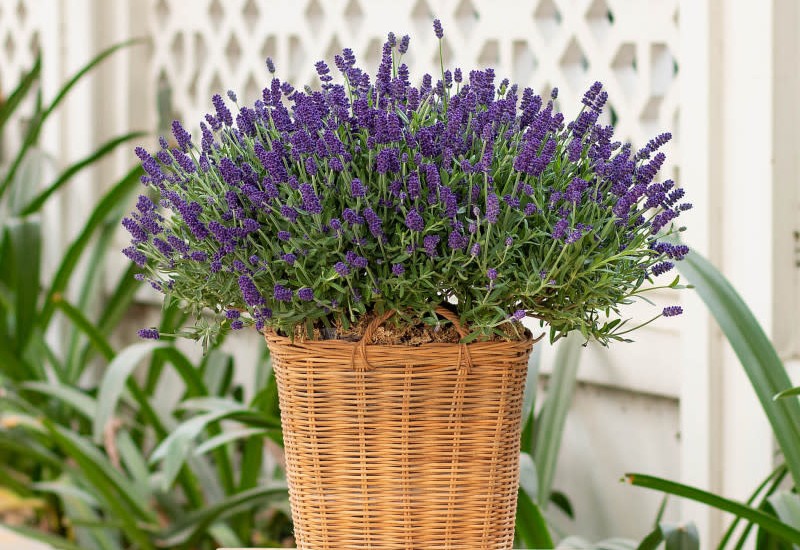
Lavender is widely admired for its delicate purple flowers and calming fragrance. This plant is often used in perfumes, essential oils, and relaxation products. Interestingly, the same scent that humans find pleasant can discourage mosquitoes and some other insects.
Lavender contains natural compounds such as linalool and linalyl acetate, which are associated with its aromatic properties. These compounds may make the surrounding area less appealing to mosquitoes.
Lavender grows well in sunny areas and can be planted in gardens, pots, or window boxes. Besides helping deter insects, it also attracts pollinators like bees and butterflies.
2. Citronella Grass
Citronella is one of the most well-known plants associated with mosquito control. Its strong lemon-like scent is commonly used in candles, sprays, and natural insect repellents.
The plant itself can be grown in outdoor gardens or large containers. Citronella grass thrives in warm climates and requires plenty of sunlight and regular watering.
Because of its fresh citrus aroma, citronella is often planted around patios or outdoor seating areas to help create a more comfortable environment.
3. Basil
Basil is a popular culinary herb that also has natural insect-repelling properties. The strong scent of basil leaves can discourage mosquitoes while adding a pleasant herbal aroma to the surroundings.
One advantage of basil is its versatility. It can be grown easily in small pots, making it perfect for balconies, windowsills, or kitchen gardens.
In addition to helping keep mosquitoes away, fresh basil leaves can be used in cooking, making it both a decorative and practical plant.
4. Mint
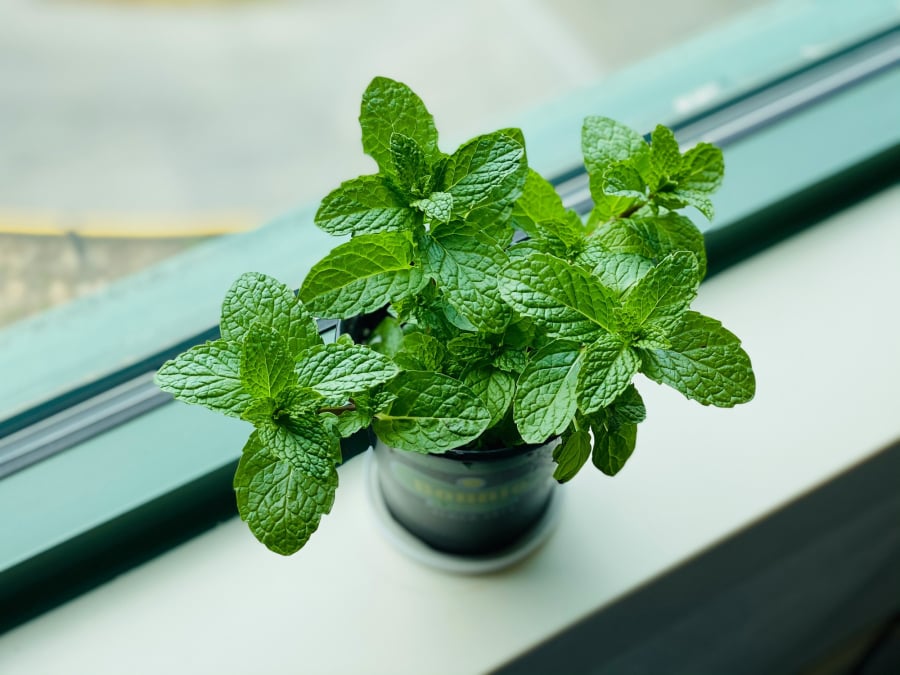
Mint plants are known for their refreshing fragrance and rapid growth. Their strong scent comes from natural oils in the leaves, which may help repel certain insects, including mosquitoes.
Mint varieties such as peppermint and spearmint are commonly grown in home gardens. They can be planted in pots or containers to prevent them from spreading too quickly.
The leaves can also be used for tea, desserts, and beverages, adding another benefit to growing this fragrant plant.
5. Rosemary
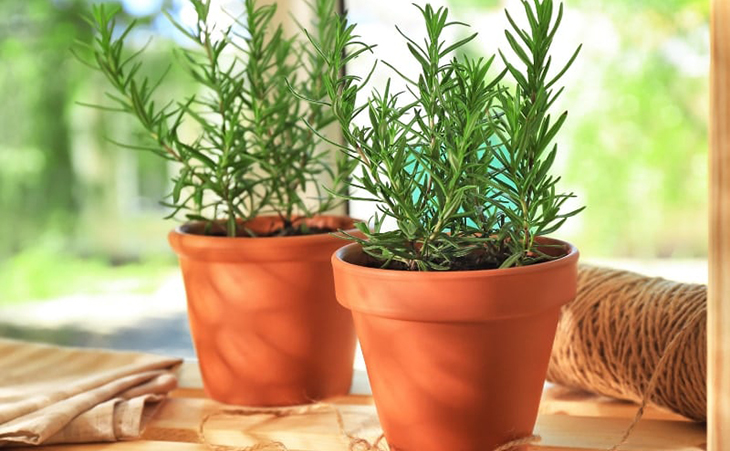
Rosemary is another aromatic herb that serves both culinary and decorative purposes. Its woody scent and needle-like leaves give it a distinctive appearance and fragrance.
Rosemary produces essential oils that may discourage mosquitoes and other insects. The plant thrives in sunny environments and well-drained soil.
Because of its attractive shape and pleasant aroma, rosemary is often used in landscaping and herb gardens.
6. Marigold
Marigolds are bright, colorful flowers that are commonly planted in gardens for both decoration and pest control. These flowers contain natural compounds such as pyrethrum, which has insect-repelling properties.
Marigolds produce a strong scent that some insects find unpleasant. Gardeners often plant them near vegetables or around garden borders to help deter pests.
Their vibrant yellow and orange blossoms also add a cheerful touch to outdoor spaces.
7. Lemongrass
Lemongrass is another plant with a fresh citrus fragrance that may help keep mosquitoes away. It contains citronella oil, which is widely used in natural insect repellent products.
This tall, grass-like plant grows best in warm climates and sunny areas. It can be planted directly in gardens or grown in large pots.
Besides its potential insect-repelling benefits, lemongrass is widely used in cooking, especially in Asian cuisine.

Why Plants Can Help Reduce Mosquitoes
Certain plants produce natural aromatic oils that insects may find unpleasant. These scents may help create an environment that mosquitoes prefer to avoid.
However, it is important to understand that plants alone may not completely eliminate mosquitoes. Instead, they can contribute to an overall strategy for reducing insect presence around the home.
Combining mosquito-repelling plants with other practices—such as removing standing water and maintaining clean outdoor spaces—can be more effective.
Creating a Mosquito-Resistant Garden
Planting aromatic herbs and flowers around outdoor living areas can help make gardens more comfortable.
Some useful locations for these plants include:
-
Near windows and doorways
-
Around patios or outdoor seating areas
-
On balconies or terraces
-
In kitchen gardens or herb pots
Arranging plants in these areas may help create a natural barrier while also improving the appearance of the space.
Final Thoughts
Nature provides many solutions for improving our living environments. Plants such as lavender, basil, mint, citronella grass, rosemary, marigolds, and lemongrass not only enhance the beauty of a home but may also help reduce the presence of mosquitoes through their natural fragrances.
While these plants may not replace other protective measures entirely, they offer a pleasant and eco-friendly addition to gardens and outdoor spaces. By incorporating fragrant plants into landscaping, homeowners can enjoy both aesthetic beauty and a more comfortable environment during mosquito season.