Apples are among the most popular fruits in the world. They are delicious, nutritious, and easy to include in everyday meals and snacks. Rich in fiber, vitamin C, antioxidants, and beneficial plant compounds, apples support overall health and are often associated with improved digestion and heart health. However, many people notice that apples sold in supermarkets often have a shiny surface. This shine usually comes from a thin wax coating applied during post-harvest processing.
While this wax layer is generally considered safe for consumption, many people prefer to remove it before eating apples. Removing the wax can help eliminate trapped dirt, residues, or bacteria and make the fruit feel cleaner and more natural. Fortunately, there are several simple and effective methods to remove the wax coating using common household ingredients.
Below are practical techniques that can help you safely clean apples and remove their wax layer before eating.
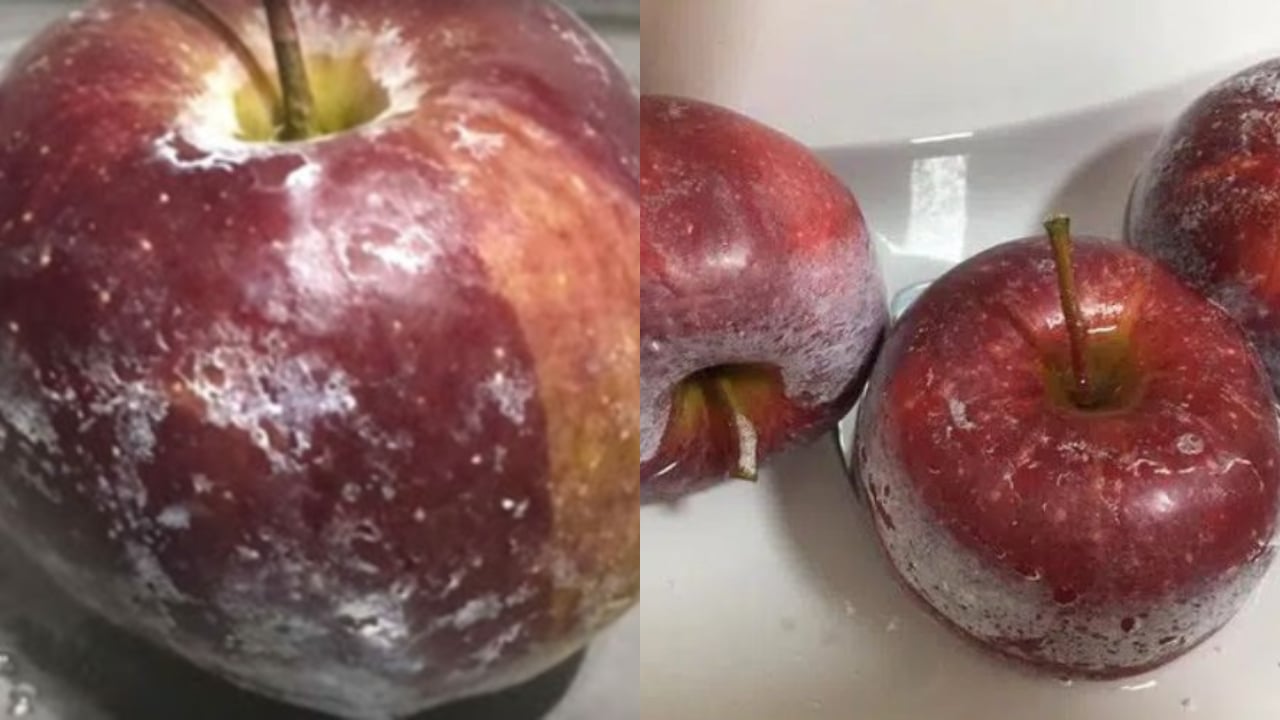
Why Apples Have a Wax Coating
Before learning how to remove wax from apples, it is helpful to understand why the wax is applied in the first place.
Naturally, apples produce a thin wax layer on their skin. This natural coating helps protect the fruit from moisture loss and environmental damage. However, during transportation and handling, this natural wax may be partially removed.
To maintain freshness and improve appearance, producers often apply a food-grade wax coating. This wax helps:
-
Preserve moisture in the fruit
-
Extend shelf life
-
Protect apples during storage and shipping
-
Improve the shiny appearance that consumers associate with freshness
Common food-safe waxes used on apples may include carnauba wax, beeswax, or shellac. These substances are approved for use in food products in many countries.
Even though the wax itself is safe, it can sometimes trap dust, pesticides, or other residues, which is why many people prefer to wash apples thoroughly before eating them.
Method 1: Washing Apples with Warm Water
The simplest way to clean apples is by washing them under running water. Although this method may not remove all of the wax, it can help eliminate dirt and surface contaminants.
To do this, hold the apple under warm running water and gently rub the surface with your hands. The friction helps loosen particles that may be attached to the skin.
For better results, you can also use a soft fruit brush to gently scrub the surface of the apple. This helps remove additional residue without damaging the fruit.
After washing, dry the apple with a clean cloth or paper towel.
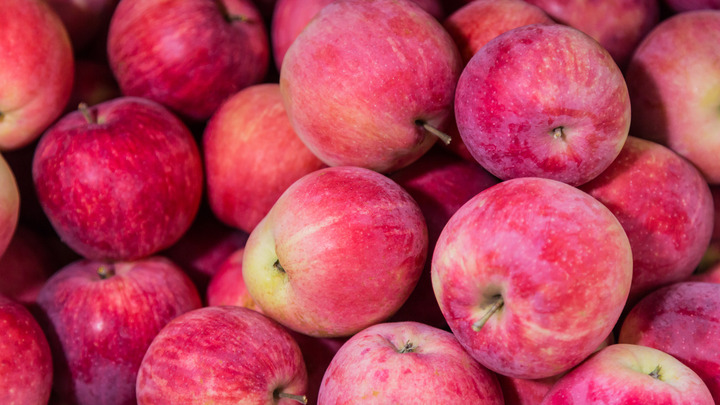
Method 2: Baking Soda Solution
Baking soda is a popular household ingredient that can help break down residues and remove surface contaminants from fruits and vegetables.
To clean apples with baking soda, mix one teaspoon of baking soda with two cups of warm water. Place the apples in the solution and allow them to soak for about 10–15 minutes.
After soaking, gently scrub the apples with a brush or cloth and rinse them thoroughly under clean water.
Baking soda works as a mild abrasive and helps dissolve residues that may remain on the surface of the fruit.
Method 3: Vinegar and Water Wash
White vinegar is another effective natural cleaning agent commonly used in kitchens. Its mild acidity can help dissolve certain residues and reduce bacteria on fruit surfaces.
To prepare a vinegar wash, mix one part white vinegar with three parts water in a bowl or container. Place the apples in the solution and allow them to soak for several minutes.
After soaking, rinse the apples thoroughly with clean water to remove any vinegar taste or smell.
This method is often used for cleaning fruits and vegetables and may help remove part of the wax layer along with other residues.
Method 4: Hot Water Treatment
One effective technique for loosening wax is briefly exposing apples to hot water.
Fill a bowl with hot water that is warm but not boiling. Place the apples in the water for about 10–20 seconds. The warmth helps soften the wax coating, making it easier to remove.
After removing the apples from the water, gently rub the surface with a cloth or brush. You may notice that the shiny wax layer begins to fade.
Finally, rinse the apples with cool water and dry them thoroughly.
This method is simple and does not require any additional ingredients.
Method 5: Lemon and Baking Soda Scrub
Another natural cleaning method combines lemon juice with baking soda. Lemon contains citric acid, which can help break down residues, while baking soda acts as a gentle scrubbing agent.
To use this method, sprinkle a small amount of baking soda onto the apple and rub it gently with half a lemon. The combination of acidity and mild abrasion helps remove surface buildup.
After scrubbing the apple for about a minute, rinse it thoroughly under running water.
This method not only helps clean the apple but also leaves a fresh citrus scent.
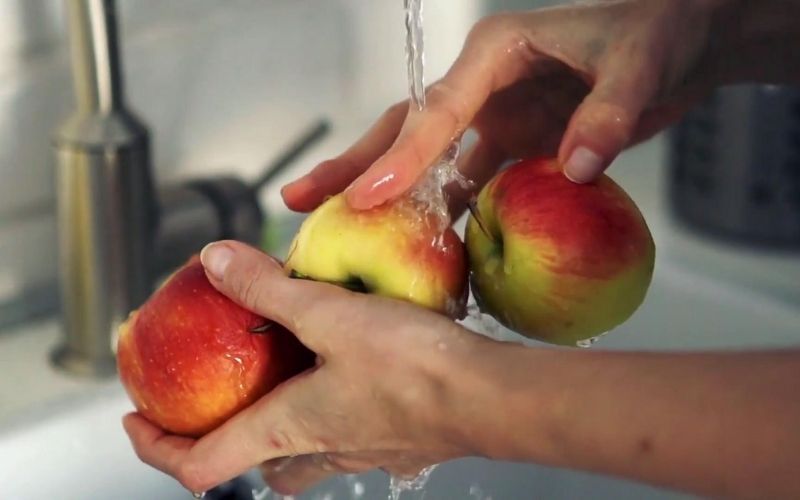
Should You Remove Apple Skin?
Some people choose to peel apples entirely to avoid wax and residues. However, it is important to note that much of the apple’s fiber and nutrients are found in the skin.
Apple skin contains beneficial compounds such as antioxidants and flavonoids that support overall health. Therefore, removing the skin may reduce some of the fruit’s nutritional value.
By washing apples properly instead of peeling them, you can enjoy both the flavor and the nutritional benefits of the fruit.
Tips for Choosing Cleaner Apples
In addition to washing apples properly, selecting good-quality fruit can also make a difference.
Consider these tips when buying apples:
-
Choose apples with smooth, firm skin
-
Avoid fruit with visible damage or bruises
-
Consider buying organic apples if available
-
Store apples in a cool, dry place to maintain freshness
Even organic apples should still be washed before eating, since they may still carry natural wax or environmental residues.
Final Thoughts
Apples are a healthy and delicious fruit that can be enjoyed in many ways, from fresh snacks to salads and desserts. While the wax coating applied to many apples is considered safe, removing it can help ensure the fruit is as clean as possible before consumption.
Fortunately, several simple household methods—such as warm water washing, baking soda soaking, vinegar rinses, and gentle scrubbing—can effectively reduce wax and remove surface residues.
By taking a few extra minutes to wash apples properly, you can enjoy them with greater confidence while preserving their natural flavor and nutritional benefits.