The brain is one of the most complex and vital organs in the human body. It controls everything from breathing and movement to memory and emotions. Because of its importance, any condition that affects the brain requires careful attention. One such condition is a brain aneurysm, a potentially serious medical issue that can sometimes develop silently.
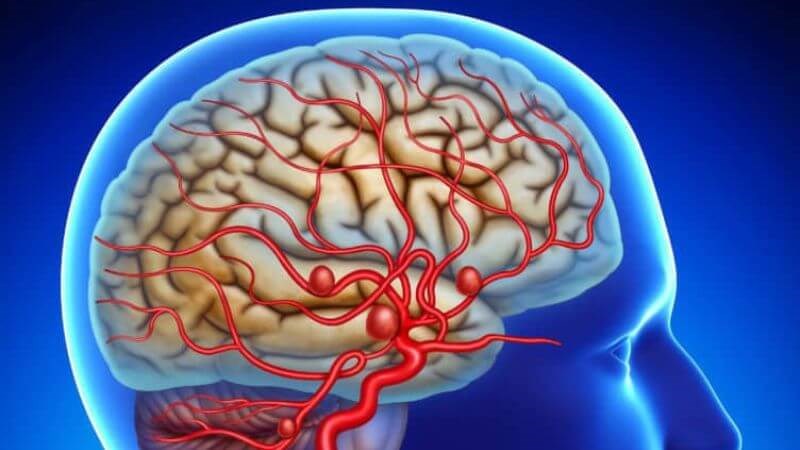
A brain aneurysm occurs when a weak area in the wall of a blood vessel in the brain begins to bulge or balloon outward. In many cases, small aneurysms may not cause noticeable symptoms. However, if an aneurysm grows larger or begins to leak, it may produce warning signs that should not be ignored.
Understanding these possible symptoms can help individuals recognize when medical evaluation may be necessary. Below are seven early warning signs that may be associated with a brain aneurysm.
1. Sudden or Severe Headaches
One of the most commonly reported symptoms associated with brain aneurysms is a sudden, intense headache. People sometimes describe this as the worst headache they have ever experienced.
This type of headache may occur if an aneurysm begins to leak or irritate surrounding tissues. While headaches are very common and often caused by harmless factors such as stress or dehydration, a sudden and unusually severe headache should always be evaluated by a medical professional.
Immediate medical attention is especially important if the headache appears abruptly and feels different from previous headaches.
2. Pain Behind or Around the Eye
Another possible symptom of a developing aneurysm is pain behind or around one eye. This pain may occur if the bulging blood vessel begins to press against nearby nerves.
In some cases, the discomfort may feel like a deep ache or pressure behind the eye. If this symptom appears together with vision changes or headaches, medical evaluation may be necessary.
3. Blurred or Double Vision
Vision changes can sometimes occur when an aneurysm affects nerves responsible for controlling eye movement. Individuals may notice:
-
Blurred vision
-
Double vision
-
Difficulty focusing
These visual disturbances may appear gradually or suddenly, depending on how the aneurysm interacts with nearby structures.
Persistent or unexplained vision changes should always be discussed with a healthcare provider.
4. Dilated Pupil
A dilated pupil—when one pupil becomes noticeably larger than the other—can sometimes occur if pressure from an aneurysm affects certain nerves.
This symptom may also be accompanied by eyelid drooping or changes in eye movement.
Although many eye-related issues can cause pupil changes, sudden or unexplained differences between pupils should be evaluated by a medical professional.
5. Numbness or Weakness on One Side of the Face
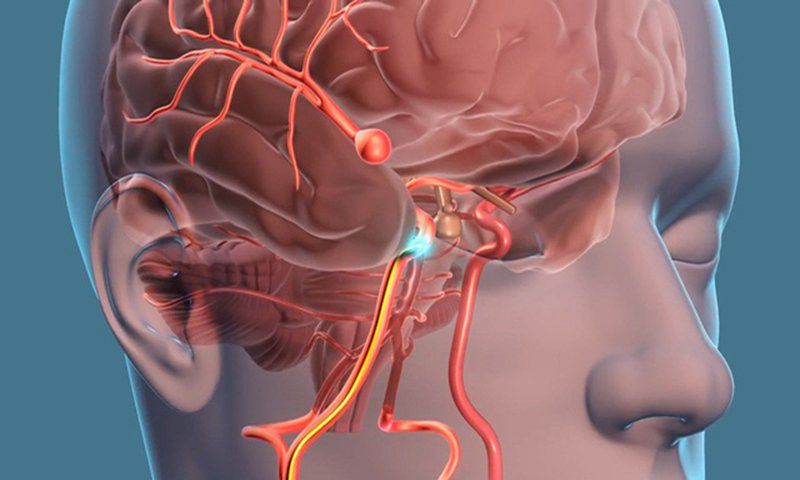
If an aneurysm presses on nerves that control facial muscles, it may lead to numbness or weakness on one side of the face.
People may notice:
-
Tingling sensations
-
Facial drooping
-
Difficulty controlling facial expressions
These symptoms can also occur in other neurological conditions, which is why medical assessment is important.
6. Difficulty Speaking or Concentrating
In some cases, neurological changes associated with brain aneurysms may affect speech or cognitive function.
Possible symptoms include:
-
Trouble forming words
-
Slurred speech
-
Difficulty concentrating
-
Confusion
While these symptoms can have many causes, sudden or unusual neurological changes should never be ignored.
7. Neck Pain or Stiffness
Neck discomfort or stiffness can sometimes appear when blood vessels or surrounding tissues in the brain become irritated.
Although neck pain often results from muscle strain or posture issues, persistent stiffness—especially when combined with headaches or neurological symptoms—may require medical evaluation.
Understanding the Importance of Early Detection
Many brain aneurysms remain undetected until they become larger or cause symptoms. In some cases, they are discovered incidentally during imaging tests performed for other reasons.
Risk factors that may increase the likelihood of aneurysms include:
-
High blood pressure
-
Smoking
-
Family history of aneurysms
-
Certain genetic conditions
-
Age and vascular health
Routine health checkups and monitoring risk factors can help support overall vascular health.
When to Seek Immediate Medical Attention
Some symptoms may indicate a ruptured aneurysm, which is a medical emergency. These symptoms may include:
-
A sudden, extremely severe headache
-
Loss of consciousness
-
Seizures
-
Sensitivity to light
-
Nausea and vomiting
If these symptoms appear, emergency medical care should be sought immediately.

Protecting Brain and Vascular Health
Although not all aneurysms can be prevented, certain lifestyle habits may support healthy blood vessels.
Helpful practices include:
-
Maintaining healthy blood pressure levels
-
Avoiding smoking
-
Exercising regularly
-
Eating a balanced diet
-
Managing stress
These habits contribute to overall cardiovascular and brain health.
Final Thoughts
Brain aneurysms can sometimes develop without obvious symptoms, which makes awareness especially important. Early warning signs—such as sudden headaches, vision changes, facial numbness, or speech difficulties—may signal the need for medical evaluation.
While many of these symptoms can also be caused by less serious conditions, paying attention to changes in the body and seeking timely medical advice can help ensure appropriate care. Early recognition and professional evaluation are key to protecting brain health and preventing potential complications.