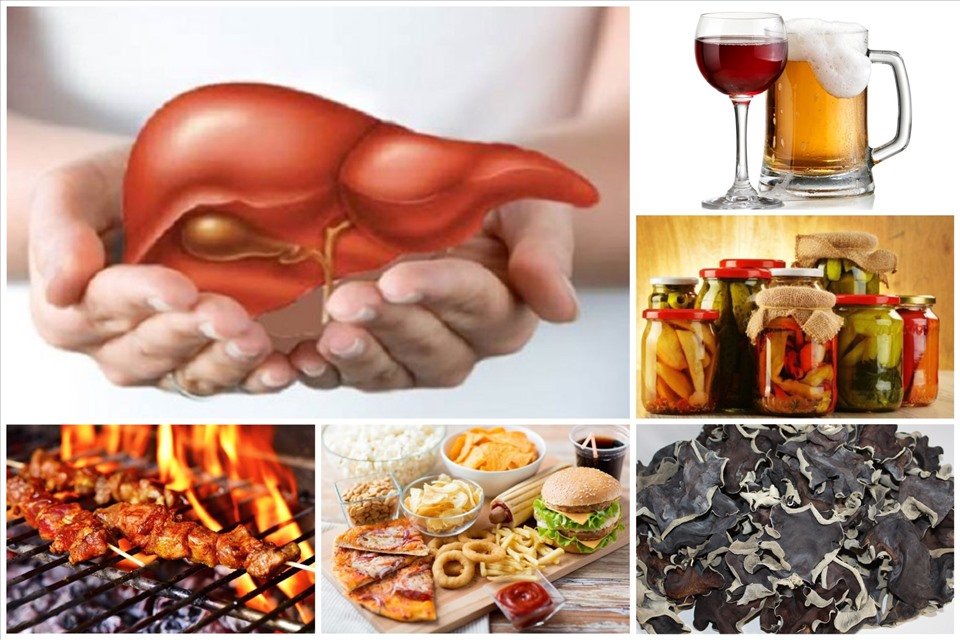
When people think about liver disease, alcohol is often the first factor that comes to mind. Excessive drinking is widely known to damage the liver and increase the risk of serious conditions such as cirrhosis or liver failure. However, medical experts increasingly emphasize that alcohol is not the only factor that can harm the liver. In fact, many individuals who rarely or never drink alcohol can still develop significant liver problems.
In recent years, doctors have warned about the growing prevalence of non-alcoholic fatty liver disease (NAFLD), a condition in which excess fat accumulates in the liver. This condition is often linked to diet, lifestyle habits, and metabolic health rather than alcohol consumption. Over time, fatty liver disease can progress to inflammation, scarring, and even liver failure if not managed properly.
Some everyday foods - especially when consumed frequently and in large amounts - may contribute to liver stress. While no single food directly “destroys” the liver on its own, certain dietary patterns may increase the risk of liver damage over time. Below are four types of foods that doctors often recommend limiting to support liver health.
1. Sugary Beverages and Excess Added Sugar
One of the biggest dietary contributors to fatty liver disease is excess sugar, particularly in the form of sugary drinks. Beverages such as sodas, sweetened juices, and energy drinks often contain high amounts of fructose.
Fructose is metabolized primarily in the liver. When large quantities are consumed regularly, the liver may convert excess sugar into fat. This fat can accumulate within liver cells and contribute to fatty liver disease.
Regular consumption of high-sugar drinks may lead to:
-
Increased fat buildup in the liver
-
Higher risk of metabolic disorders
-
Elevated triglyceride levels
Replacing sugary drinks with water, unsweetened tea, or natural beverages may help support healthier liver function.
2. Highly Processed Foods
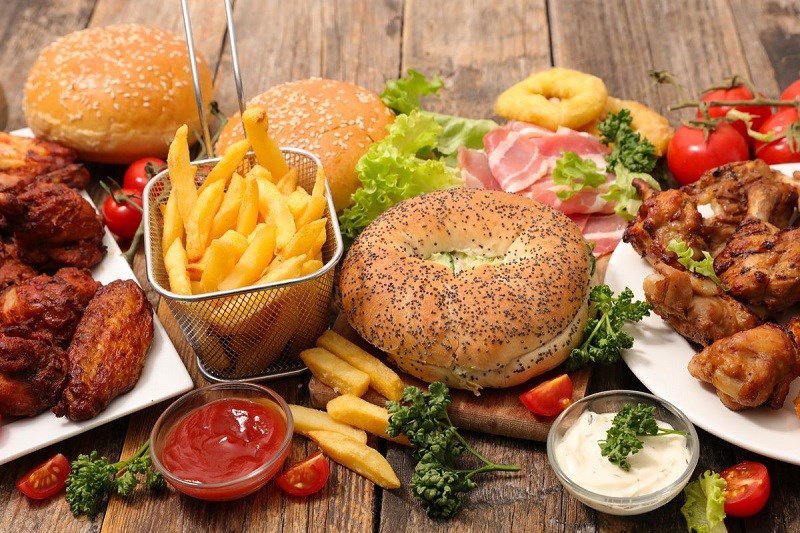
Highly processed foods are often rich in unhealthy fats, refined carbohydrates, and artificial additives. Examples include packaged snacks, fast food items, and heavily processed ready-to-eat meals.
These foods often contain large amounts of refined flour, preservatives, and added sugars, which may place extra metabolic stress on the liver when consumed frequently.
Over time, diets dominated by processed foods may contribute to:
-
Weight gain
-
Insulin resistance
-
Fat accumulation in the liver
Choosing whole foods such as fresh vegetables, fruits, lean proteins, and whole grains can help reduce the burden on the liver.
3. Deep-Fried and High-Fat Foods
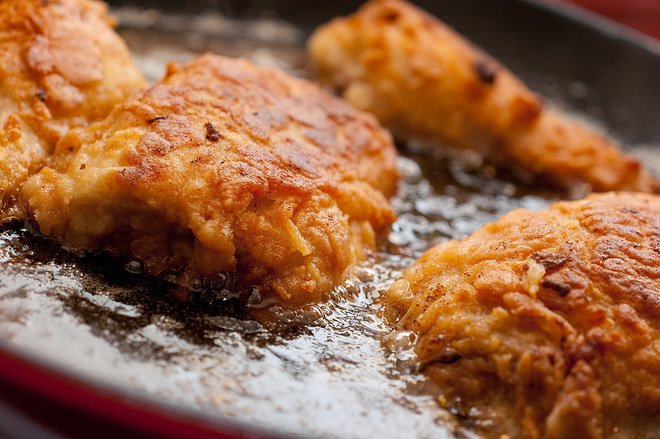
Foods that are deep-fried or extremely high in unhealthy fats may also affect liver health. Examples include fried chicken, French fries, and certain fast-food items.
These foods often contain saturated fats and trans fats, which can contribute to inflammation and fat accumulation in the body.
Excess fat intake may lead to:
-
Increased liver fat storage
-
Higher cholesterol levels
-
Greater risk of metabolic syndrome
Occasional consumption may not pose a significant problem for most people, but frequent intake may increase the risk of long-term health issues.
4. Excessive Salt and Processed Meats
High-sodium diets can also contribute indirectly to liver stress. Many processed meats—such as sausages, bacon, and cured deli products—contain large amounts of salt and preservatives.
While sodium itself does not directly cause liver failure, high salt intake may contribute to fluid retention and increased blood pressure, which can affect overall health.
In addition, some processed meats contain compounds that may increase inflammation in the body when consumed excessively.
Reducing processed meats and choosing fresh protein sources such as fish, poultry, or plant-based proteins can support healthier dietary habits.
Understanding Non-Alcoholic Fatty Liver Disease
Non-alcoholic fatty liver disease has become increasingly common worldwide. It often develops gradually and may not cause noticeable symptoms in its early stages.
Risk factors for fatty liver disease include:
-
High sugar intake
-
Obesity or excess body weight
-
Insulin resistance
-
Sedentary lifestyle
-
Diets high in processed foods
If fatty liver disease progresses, it may lead to non-alcoholic steatohepatitis (NASH), a more serious condition involving inflammation and liver damage.
Early detection and lifestyle changes can significantly improve outcomes.
Supporting Liver Health Through Diet and Lifestyle
The liver is a resilient organ that has a remarkable ability to repair itself. Adopting healthy habits can help protect the liver and support its natural functions.
Some helpful practices include:
-
Eating a balanced diet rich in fruits and vegetables
-
Limiting highly processed foods and added sugars
-
Staying physically active
-
Maintaining a healthy body weight
-
Drinking adequate water
Regular medical checkups can also help detect potential liver issues early.
Final Thoughts
Although alcohol is widely recognized as a major cause of liver disease, diet and lifestyle choices also play a critical role in liver health. Foods high in sugar, unhealthy fats, sodium, and artificial ingredients may contribute to metabolic stress that affects the liver over time.
Understanding these dietary risks does not mean eliminating certain foods entirely. Instead, focusing on balance and moderation can help support long-term health. By choosing nutrient-rich foods and maintaining healthy habits, individuals can take important steps toward protecting one of the body’s most vital organs—the liver.