What Causes Frequent Numbness in the Legs? Understanding the Real Reasons Behind the Sensation
Leg numbness is a common symptom that many people experience at some point in their lives. It may feel like tingling, pins and needles, burning, or a partial loss of sensation. While occasional numbness can be harmless, frequent or persistent numbness should not be ignored. Importantly, leg numbness is not a disease itself, but a sign that something in the body is affecting nerves, blood flow, or muscles.
1. Nerve Compression and Spinal Issues
One of the most common causes of leg numbness is nerve compression, especially in the lower spine. Conditions such as herniated discs, spinal stenosis, or degenerative disc disease can put pressure on nerves that travel from the spine down to the legs.
People with nerve compression often notice numbness that starts in the lower back or hips and radiates down the thigh, calf, or foot. Sitting for long periods, poor posture, or lifting heavy objects incorrectly can worsen symptoms. In some cases, numbness is accompanied by sharp pain, weakness, or muscle spasms.
2. Poor Blood Circulation
Reduced blood flow to the legs can also cause numbness. This may occur due to peripheral artery disease (PAD), prolonged sitting, crossing the legs for long periods, or vascular conditions that restrict circulation.
Circulation-related numbness is often associated with cold feet, skin discoloration, or a heavy sensation in the legs. People who smoke, have high blood pressure, or high cholesterol are at higher risk of circulation problems.
3. Peripheral Neuropathy

Peripheral neuropathy refers to damage to the nerves outside the brain and spinal cord. This condition is commonly seen in people with diabetes, but it can also result from vitamin deficiencies, chronic alcohol use, infections, or exposure to toxins.
Neuropathy-related numbness typically affects both legs symmetrically and may progress gradually. Some individuals experience burning pain, reduced sensitivity to temperature, or difficulty maintaining balance. Early detection is important, as untreated nerve damage can worsen over time.
4. Foot and Ankle Nerve Disorders

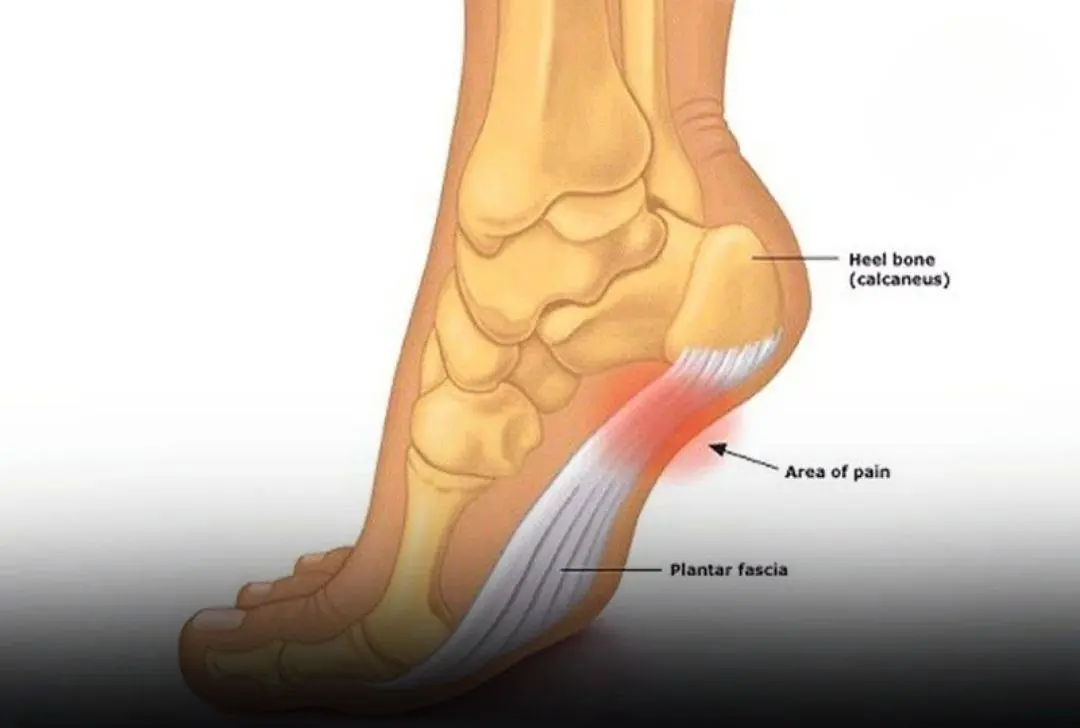
Certain conditions directly affect nerves in the foot or ankle. Examples include tarsal tunnel syndrome and plantar fascia inflammation. These issues can compress nerves near the ankle or sole of the foot, leading to numbness, tingling, or heel pain—especially in the morning or after prolonged standing.
While these conditions can be uncomfortable, they are not life-threatening and are often misrepresented online. Proper footwear, stretching, and medical evaluation usually help manage symptoms effectively.
5. Vitamin and Mineral Deficiencies

Deficiencies in vitamins such as B1, B6, and B12, as well as minerals like magnesium and potassium, can interfere with nerve function. This may lead to numbness, muscle cramps, or weakness in the legs, particularly at night.
Nutritional deficiencies are more common in people with restrictive diets, digestive disorders, or long-term medication use. Blood tests can easily identify these deficiencies, and supplementation often improves symptoms.
When Should You Seek Medical Attention?
 Occasional numbness that resolves quickly is usually not a cause for concern. However, medical evaluation is recommended if numbness:
-
Persists for more than two to three weeks
-
Occurs alongside muscle weakness or difficulty walking
-
Affects only one side of the body
-
Worsens over time
-
Occurs in people with diabetes or known neurological conditions
Early diagnosis can prevent complications and improve long-term outcomes.
Important Clarification
Leg numbness is not a reliable early sign of cancer, despite claims seen on social media. While certain serious illnesses can affect nerves indirectly, numbness alone should not be assumed to indicate cancer. Misinformation can cause unnecessary fear and delay proper care.
Conclusion
Frequent leg numbness has many possible causes, most of which are manageable when addressed early. From nerve compression and circulation problems to vitamin deficiencies and foot conditions, understanding the underlying reason is the key to effective treatment. If symptoms persist or interfere with daily life, consulting a healthcare professional is the safest and most responsible step.