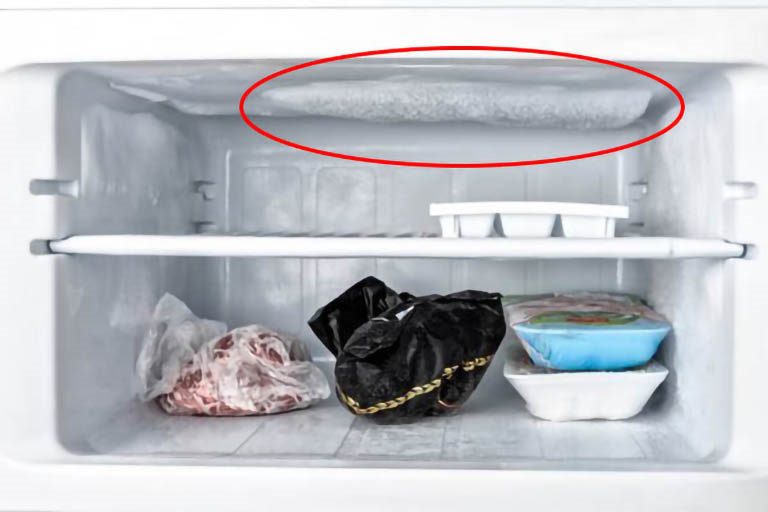
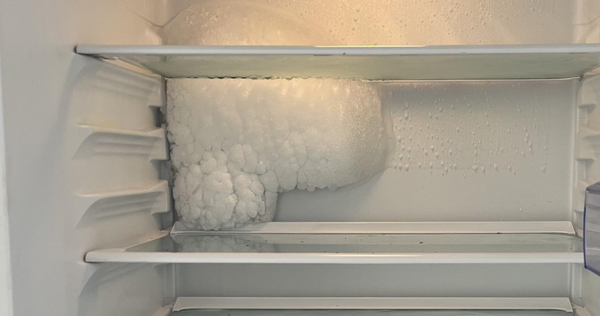
Opening your refrigerator and discovering that the freezer is completely covered with ice can be frustrating. Thick layers of frost or ice buildup can make it difficult to store food, reduce cooling efficiency, and even increase electricity consumption. Many people ignore this issue for too long, but a frozen freezer is often a sign that something needs attention.
Fortunately, in most cases, the problem can be solved with a few simple steps. Understanding why freezers freeze over and knowing what to do immediately can help prevent further damage and keep your refrigerator working efficiently.

Why Freezers Become Frozen Solid
Before fixing the problem, it helps to understand why ice builds up in the freezer. Freezers are designed to maintain very low temperatures, but they should not accumulate excessive frost or thick ice layers.
Several common factors can cause a freezer to freeze over.
One major cause is moisture entering the freezer. When warm air enters the freezer, the moisture in that air condenses and freezes on the cold surfaces inside. Over time, this moisture forms layers of frost and ice.
Another common cause is frequent door opening. Every time the freezer door is opened, warm air from the room enters. If the door remains open for too long, this warm air introduces more moisture that eventually turns into frost.
A damaged or loose door seal (gasket) can also allow warm air to leak into the freezer continuously. Even a small gap can allow humidity to enter and gradually form ice.
In some cases, placing hot food directly into the freezer can also introduce moisture that later freezes on surfaces.
Step 1: Turn Off the Refrigerator
If the freezer has become heavily frozen, the first thing you should do is turn off the refrigerator or unplug it. This stops the cooling system and allows the ice to begin melting.
Leaving the appliance running while ice buildup continues can force the compressor to work harder, which may increase electricity consumption and place unnecessary strain on the refrigerator.
Turning off the appliance temporarily allows you to safely remove the ice.
Step 2: Remove Food from the Freezer
Next, take all food items out of the freezer. Place them in a cooler or insulated container if possible to keep them cold while you clean the freezer.
Removing food also gives you full access to the interior, making it easier to remove ice and clean the surfaces.
If the freezer contains large ice blocks, removing food quickly prevents the items from becoming wet as the ice begins to melt.
Step 3: Allow the Ice to Melt Naturally
One of the safest ways to remove ice is simply allowing it to melt naturally. Leaving the freezer door open for a period of time will cause the ice to gradually soften and detach from the walls.
You can place towels inside or near the base of the freezer to absorb melting water.
Some people try to speed up the process by placing a bowl of warm water inside the freezer. The warm air helps melt the ice faster without damaging the appliance.
However, it is important to avoid using sharp tools to chip away the ice, as this could damage the freezer’s inner lining or cooling components.
Step 4: Clean the Interior
Once the ice has melted, wipe down the inside of the freezer with a clean cloth. This helps remove excess moisture and prevents frost from forming again too quickly.
You can also use a mild mixture of warm water and baking soda to clean the surfaces and remove odors.
Drying the interior completely before turning the freezer back on is important to prevent immediate frost formation.
Step 5: Check the Door Seal
After cleaning the freezer, inspect the door gasket, which is the rubber seal around the edge of the door.
If the seal is cracked, loose, or dirty, it may not close tightly. This allows warm air to enter the freezer continuously.
Cleaning the gasket with warm water and ensuring it sits properly against the door frame can improve the seal. If the gasket is damaged, replacing it may help prevent future ice buildup.
Step 6: Restart the Refrigerator
Once everything is clean and dry, plug the refrigerator back in and allow it to return to its normal temperature.
It may take several hours for the freezer to reach its ideal temperature again. Once the temperature stabilizes, you can place the food back inside.
Try to organize the freezer so that air can circulate properly around the stored items.
How to Prevent the Freezer from Freezing Again
After solving the problem, a few simple habits can help prevent frost buildup in the future.
Avoid leaving the freezer door open longer than necessary. The longer the door stays open, the more warm air enters the freezer.
Make sure food is completely cooled before placing it inside the freezer. Hot or warm food releases steam that can later freeze into frost.
Check that the door always closes properly and that no containers or packages block the seal.
Keeping the freezer moderately full can also help maintain stable temperatures because frozen items help retain cold air.
Final Thoughts
A freezer that becomes frozen solid may seem like a serious problem, but it is often caused by simple factors such as moisture, frequent door opening, or poor sealing. Acting quickly by turning off the refrigerator, removing the ice safely, and cleaning the freezer can restore normal operation.
Regular maintenance and good usage habits can help prevent frost buildup and keep your refrigerator working efficiently for years. By paying attention to small details, you can protect both your appliance and the food stored inside it.