Many people occasionally experience cold hands and feet, especially during cold weather or when spending time in an air-conditioned environment. In most cases, this reaction is completely normal and happens when the body tries to conserve heat by reducing blood flow to the extremities. However, when cold hands and feet occur frequently or persist even in warm conditions, they may signal that the body is responding to certain underlying factors.
Understanding why your hands and feet often feel cold can help you better understand what your body might be trying to communicate about your overall health.
The Body’s Natural Temperature Regulation
The human body works continuously to maintain a stable internal temperature, usually around 37°C (98.6°F). When the environment becomes cold, the body automatically narrows small blood vessels in the hands and feet through a process called vasoconstriction.
This process reduces blood flow to the extremities so that more warmth can be preserved for vital organs such as the heart, brain, and lungs. As a result, the hands and feet may feel cold even though the rest of the body remains warm.
For many people, especially those with smaller body frames or lower body fat, this response can occur more easily.
Poor Blood Circulation
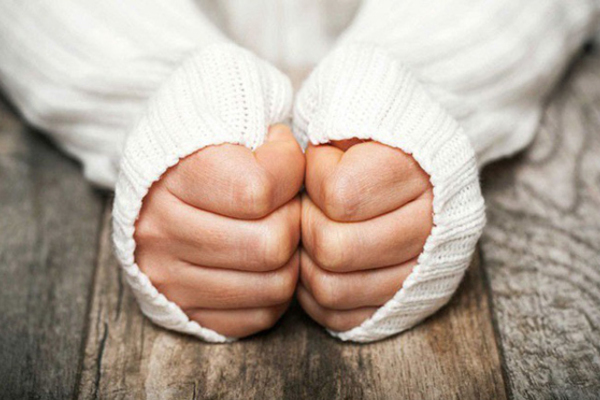
One common reason for persistently cold hands and feet is reduced blood circulation. When blood does not flow efficiently to the extremities, those areas may feel colder than the rest of the body.
Circulation problems can sometimes be linked to lifestyle factors such as:
-
Sitting for long periods
-
Lack of physical activity
-
Smoking
-
High stress levels
Regular movement helps improve blood flow, which can help keep hands and feet warmer.
Low Iron Levels
Iron plays an important role in producing hemoglobin, the protein in red blood cells responsible for carrying oxygen throughout the body. When iron levels are low, the body may struggle to deliver enough oxygen to tissues.
This condition, often referred to as iron deficiency, can sometimes lead to symptoms such as:
-
Cold hands and feet
-
Fatigue
-
Pale skin
-
Dizziness
When the body lacks sufficient oxygen delivery, the extremities may feel colder because the body prioritizes oxygen supply to vital organs.
Thyroid Function
The thyroid gland helps regulate metabolism, which influences how the body produces and uses energy. When thyroid hormone levels are low, metabolism slows down.
This condition, known as hypothyroidism, can cause the body to generate less heat, making individuals more sensitive to cold temperatures.
People with reduced thyroid activity may experience symptoms such as:
-
Persistent cold sensitivity
-
Weight gain
-
Fatigue
-
Dry skin
Cold hands and feet can sometimes be one of the early indicators that metabolism is slower than normal.
Stress and Anxiety
Emotional stress can also affect body temperature. When a person experiences stress or anxiety, the body activates its fight-or-flight response. This response releases stress hormones that cause blood vessels in the extremities to constrict.
As a result, blood flow is redirected toward major organs, which can cause the hands and feet to feel colder.
People who frequently experience stress may notice cold extremities during periods of tension or emotional pressure.
Raynaud’s Phenomenon
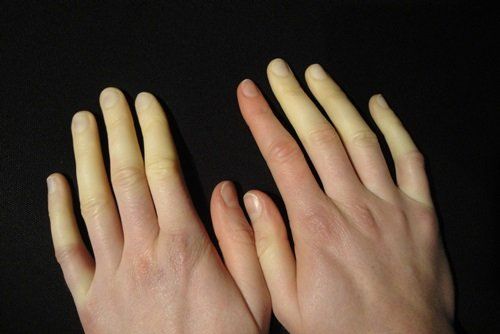
In some cases, cold hands and feet may be related to a condition called Raynaud’s phenomenon. This condition occurs when blood vessels in the fingers and toes temporarily narrow in response to cold temperatures or emotional stress.
During an episode, affected areas may change color, often turning white or blue before returning to normal once circulation improves.
Raynaud’s episodes are usually temporary, but frequent occurrences may require medical evaluation.
Dehydration and Low Body Weight
Hydration also plays a role in maintaining healthy circulation. When the body lacks sufficient fluids, blood volume can decrease slightly, which may influence how efficiently blood reaches the extremities.
Similarly, individuals with very low body fat may have less insulation to help maintain warmth, making them more likely to experience cold hands and feet.
Ensuring adequate hydration and maintaining a balanced diet can support healthy body temperature regulation.
Simple Ways to Keep Hands and Feet Warm
If cold hands and feet occur occasionally, several simple lifestyle habits can help improve comfort.
These include:
-
Engaging in regular physical activity
-
Wearing warm socks and gloves during cold weather
-
Drinking warm beverages
-
Managing stress levels
-
Maintaining a balanced diet with sufficient nutrients
-
Avoiding smoking
Even small movements, such as stretching fingers or rotating ankles, can help stimulate blood circulation.
When to Seek Medical Advice
Occasional cold hands and feet are usually harmless. However, if the condition occurs frequently, becomes severe, or is accompanied by other symptoms such as numbness, pain, or skin color changes, it may be helpful to consult a healthcare professional.
Medical evaluation can help determine whether the symptoms are related to circulation, nutritional deficiencies, hormonal changes, or other health conditions.
Final Thoughts
Cold hands and feet are often the result of the body’s natural attempt to regulate temperature and maintain warmth for vital organs. In many cases, this reaction is completely normal and harmless.
However, persistent cold extremities may sometimes indicate factors such as circulation changes, nutritional deficiencies, hormonal imbalances, or stress. Paying attention to these signals can help you better understand your body’s needs.
By maintaining healthy lifestyle habits and staying attentive to physical changes, it is possible to support overall well-being and ensure that the body continues functioning comfortably and efficiently.