Frequent Numbness in the Legs: What Condition Causes It and Why?
Feeling numbness in the legs from time to time can happen to anyone, especially after sitting or standing in the same position for too long. However, if the numbness occurs frequently, lasts a long time, or comes with other symptoms like tingling, weakness, or pain, it may indicate an underlying health problem.
What Is Leg Numbness?
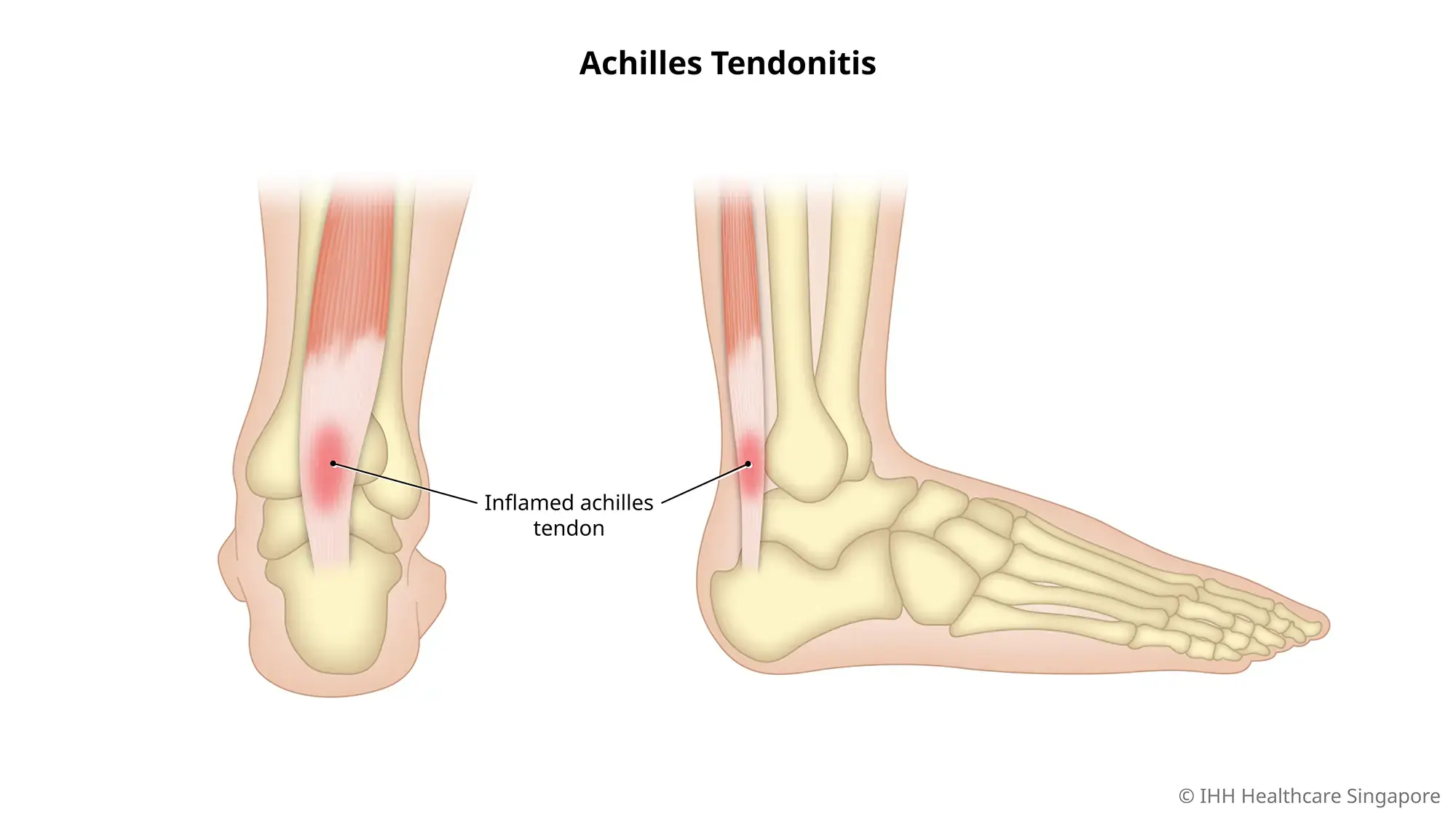
Leg numbness is the loss of sensation in the legs or feet. Many people describe it as a “pins and needles” feeling or a tingling sensation. This occurs when the nerves that carry signals between the brain and the legs are irritated, compressed, or damaged.
Common Causes of Frequent Leg Numbness
1. Nerve Compression
One of the most common causes is pressure on the nerves. Sitting cross-legged for too long, poor posture, or certain sleeping positions can compress nerves and temporarily block nerve signals.
2. Herniated or Slipped Disc
A problem in the spine, such as a herniated disc, can press on nerves that run from the spine down to the legs. This may cause numbness, tingling, or even pain in the legs.
3. Peripheral Neuropathy
Peripheral neuropathy occurs when the peripheral nerves become damaged. It often causes numbness, burning sensations, or weakness in the legs and feet. This condition is commonly linked to diabetes, vitamin deficiencies, infections, or exposure to toxins.
4. Poor Blood Circulation
When blood flow to the legs is reduced, the nerves may not receive enough oxygen and nutrients. Conditions such as peripheral artery disease can lead to numbness, cramping, or cold sensations in the legs.
5. Vitamin Deficiency
Lack of certain vitamins, especially vitamin B12, can damage nerves and cause numbness in the limbs.
6. Chronic Conditions
Diseases such as diabetes, multiple sclerosis, or stroke may also lead to persistent numbness in the legs.
When Should You See a Doctor?
Occasional numbness is usually harmless. However, medical attention is important if numbness:
-
Happens frequently
-
Lasts for a long time
-
Is accompanied by weakness, severe pain, or difficulty walking
-
Appears suddenly without a clear reason
These symptoms may indicate a more serious underlying condition that needs proper diagnosis and treatment.
How Can It Be Prevented?
Maintaining a healthy lifestyle can help reduce the risk of frequent leg numbness. Regular exercise, good posture, balanced nutrition, and controlling chronic conditions like diabetes can all support nerve and circulatory health.
Conclusion

Frequent numbness in the legs should not be ignored. While it may sometimes be caused by simple nerve compression or poor posture, it can also signal nerve damage, circulation problems, or other medical conditions. Understanding the causes and seeking medical advice when symptoms persist is the best way to protect your health.