Woman Develops Fungal Growth Inside Her Nose Due to a Common Habit Many People Overlook
Health problems sometimes develop from habits that appear harmless at first. Everyday routines—things done without much thought—can occasionally create unexpected health risks. One such case involved a woman who developed a fungal growth inside her nasal cavity, a condition that doctors say may be linked to a common behavior many people practice without realizing the potential dangers.
This story highlights how small habits can affect health and why awareness of hygiene and environmental factors is important for preventing infections.
Understanding Fungal Infections in the Nasal Cavity
The human nose plays an important role in the respiratory system. It filters air, traps dust and particles, and helps protect the lungs from harmful microorganisms. However, when certain conditions allow fungi to grow inside the nasal passages, an infection known as fungal sinusitis can develop.
Fungi exist naturally in the environment. They can be found in soil, dust, plants, and even indoor air. Most of the time, the body’s immune system prevents these organisms from causing problems. But when fungi find the right environment—such as warm, moist areas inside the sinuses—they may begin to grow.
When fungal growth occurs in the nose or sinuses, it may cause symptoms like congestion, pain, inflammation, and sometimes unusual nasal discharge.


How a Simple Habit Can Increase the Risk
Doctors involved in similar cases have pointed out that certain habits may increase the risk of introducing fungi or bacteria into the nose. One of the most commonly discussed habits is frequent nose picking or touching the inside of the nose with unclean hands.
The hands come into contact with many surfaces throughout the day. These surfaces may contain microorganisms, including fungi and bacteria. When fingers are inserted into the nose, microorganisms can be transferred directly into the nasal passages.
Another habit that may contribute to infection is using unclean tissues, cotton swabs, or objects to clean the nose. If these items carry fungal spores or bacteria, they may introduce them into the sinuses.
In some situations, repeated irritation of the nasal lining can create small wounds. These tiny openings may allow microorganisms to settle and grow.
Symptoms That May Indicate a Nasal Fungal Infection
Fungal infections of the sinuses can sometimes develop slowly. Symptoms may initially resemble common sinus problems, which can make the condition difficult to recognize early.
Possible symptoms include:
-
Persistent nasal congestion
-
Facial pain or pressure
-
Headaches around the forehead or cheeks
-
Thick nasal discharge
-
Reduced sense of smell
-
Nasal irritation or bleeding
-
Swelling around the nose or eyes
If these symptoms continue for a long time or worsen despite treatment, medical evaluation may be necessary.


How Doctors Diagnose the Condition
When doctors suspect a fungal infection in the sinuses, several diagnostic methods may be used.
These may include:
Medical imaging:
CT scans or other imaging tests help doctors see blockages or abnormal growths inside the sinus cavities.
Endoscopic examination:
A small flexible camera may be inserted into the nasal passages to observe the inside of the nose and sinuses.
Laboratory testing:
Samples of mucus or tissue may be tested to identify the type of fungus causing the infection.
Early diagnosis is important because untreated fungal infections can become more serious in some cases.
Possible Treatments
Treatment depends on the type and severity of the infection.
Doctors may recommend:
-
Antifungal medications to control fungal growth
-
Nasal irrigation treatments to clean the sinus passages
-
Anti-inflammatory medications to reduce swelling
-
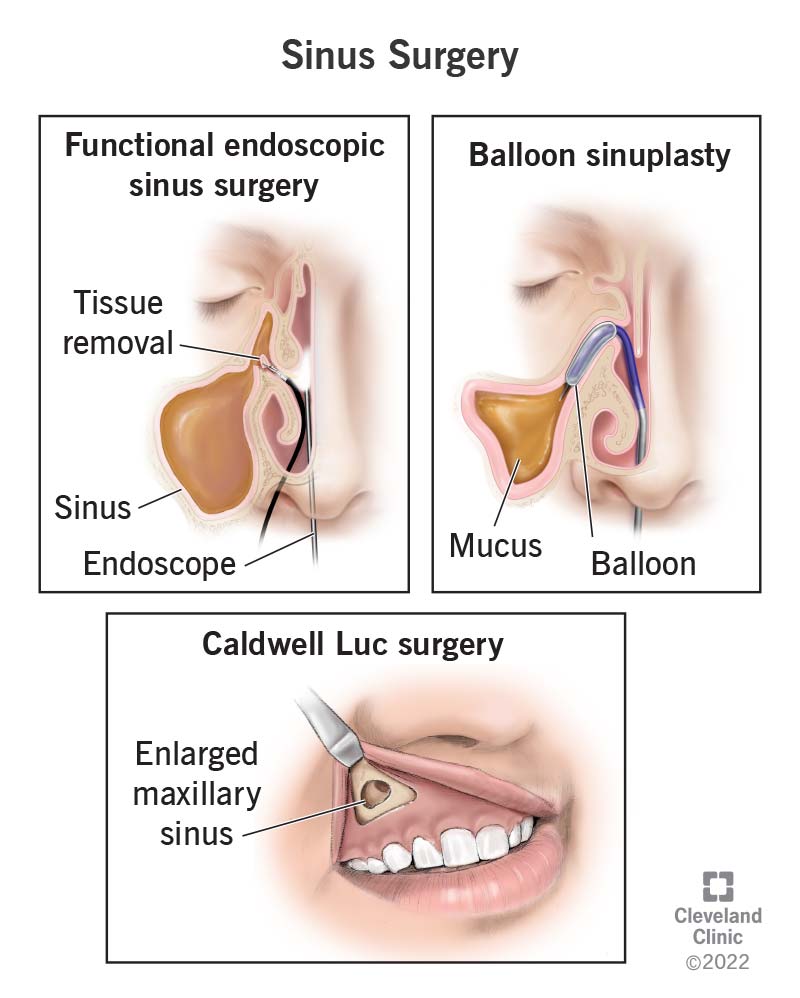
Surgical procedures in severe cases to remove fungal buildup
Many patients recover well once the infection is properly treated, especially if it is detected early.


Prevention: Protecting Nasal Health
Preventing nasal infections often involves simple hygiene practices.
Health experts generally recommend:
-
Washing hands regularly
-
Avoiding frequent touching of the inside of the nose
-
Using clean tissues when blowing the nose
-
Avoiding inserting objects into the nasal passages
-
Keeping indoor environments clean and well ventilated
People with allergies or sinus problems may also benefit from proper medical care and regular checkups to manage inflammation and prevent complications.
Why Awareness Matters
Many infections develop quietly and may initially resemble common conditions like colds or sinus congestion. Because of this, people sometimes delay seeking medical advice.
Understanding how everyday habits influence health can help prevent avoidable infections.
Even small behavioral changes—such as improving hygiene and avoiding unnecessary contact with the nasal passages—can reduce the risk of introducing harmful microorganisms.
Final Thoughts
The case of fungal growth inside the nose serves as a reminder that seemingly harmless habits can sometimes have unexpected health consequences. The nose and sinuses are delicate structures that rely on proper hygiene and care to remain healthy.
While fungal sinus infections are relatively uncommon, maintaining clean habits and paying attention to persistent symptoms can help protect respiratory health.
If unusual nasal symptoms appear and do not improve, consulting a healthcare professional can ensure proper diagnosis and treatment before complications develop.