Potatoes Are a Great Food, But Some People Should Avoid Eating Them
Potatoes are one of the most widely consumed foods in the world. They are affordable, versatile, and rich in nutrients such as vitamin C, potassium, and fiber. When prepared in healthy ways—such as boiling, baking, or steaming—potatoes can be part of a balanced diet.
However, despite their nutritional benefits, potatoes may not be suitable for everyone. Certain health conditions or dietary needs may require some people to limit or avoid them. Understanding when potatoes might not be the best choice can help people make healthier decisions.
Below are some groups of people who may need to be cautious about eating potatoes.
1. People With Diabetes
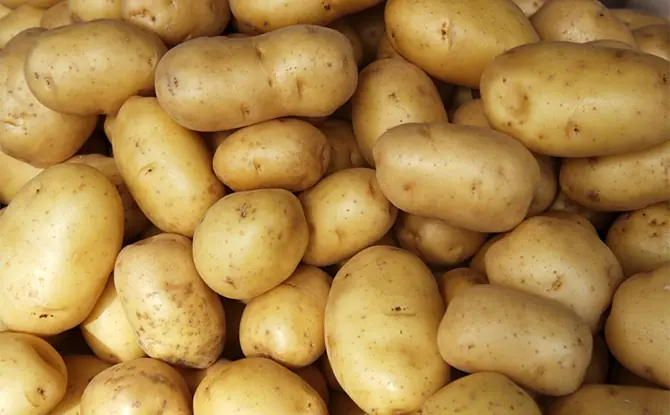
Potatoes are high in carbohydrates, which can raise blood sugar levels. Some types of potatoes also have a relatively high glycemic index, meaning they can cause blood sugar to rise quickly.
For people with diabetes, this does not necessarily mean potatoes must be completely avoided. However, portion size, cooking method, and pairing them with protein or fiber-rich foods are important to help manage blood sugar levels.
2. People Trying to Lose Weight
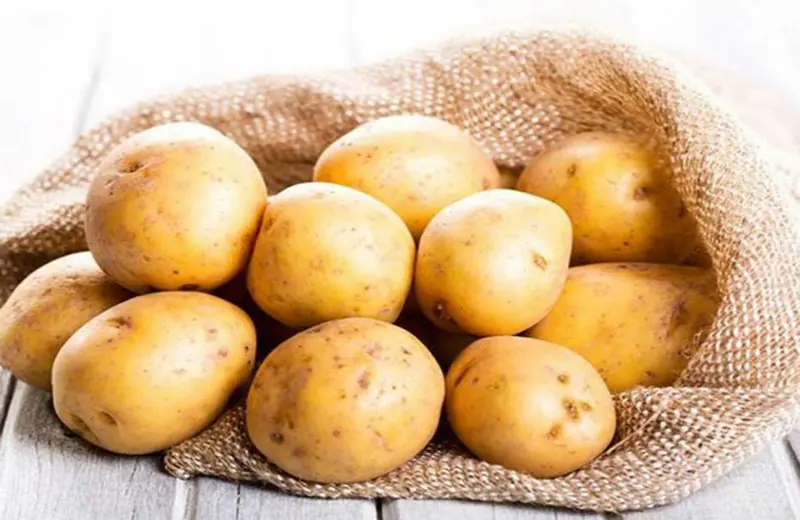
Potatoes themselves are not inherently fattening, but the way they are commonly prepared can add a lot of calories. French fries, potato chips, and heavily buttered mashed potatoes are high in fats and calories.
People trying to lose weight may need to limit these types of potato dishes and instead choose healthier cooking methods, such as baking or boiling.
3. People With Kidney Problems
Potatoes contain a significant amount of potassium. While potassium is an essential mineral for most people, those with kidney disease may need to limit their intake because their kidneys cannot remove excess potassium effectively.
High potassium levels in the body can be dangerous for individuals with kidney issues, so they should consult a healthcare professional about appropriate dietary choices.
4. People Sensitive to Nightshade Vegetables
Potatoes belong to the nightshade family of plants, which also includes tomatoes and eggplants. Some individuals believe they are sensitive to nightshade vegetables and may experience joint pain or digestive discomfort after eating them.
Although scientific evidence on this sensitivity is still limited, people who notice consistent symptoms after eating potatoes may consider reducing their intake.
5. People Eating Sprouted or Green Potatoes
Another important concern is eating potatoes that have turned green or started to sprout. These potatoes may contain higher levels of a natural compound called solanine, which can be toxic if consumed in large amounts.
Green or heavily sprouted potatoes should be avoided to reduce the risk of nausea, headaches, or digestive discomfort.
Final Thoughts
Potatoes can be a nutritious and satisfying food when consumed in moderation and prepared in healthy ways. They provide important nutrients and can be part of many balanced diets.
However, individuals with certain health conditions—such as diabetes, kidney disease, or specific food sensitivities—may need to limit or carefully monitor their intake. Choosing proper cooking methods and maintaining portion control can help ensure that potatoes remain a healthy part of the diet for most people.