5 Warning Signs of a Mini Stroke in Older Adults That Should Never Be Ignored
A mini stroke, medically known as a Transient Ischemic Attack (TIA), occurs when blood flow to part of the brain is temporarily blocked. Unlike a major stroke, the blockage is short-lived and symptoms may disappear within minutes or hours. However, this does not mean it is harmless.
In fact, a mini stroke is often considered a serious warning sign that a larger stroke may occur in the near future. Studies show that many people who experience a major stroke previously had a TIA but did not recognize the symptoms.
Understanding the early signs—especially in older adults—can help ensure that medical help is sought quickly.
1. Sudden Weakness or Numbness on One Side of the Body
One of the most common signs of a mini stroke is sudden weakness affecting one side of the body.
This may include:
-
Numbness in the face
-
Weakness in the arm or leg
-
Difficulty lifting one arm
-
Loss of strength on one side
These symptoms often appear suddenly and may disappear within a short time, which is why they are sometimes ignored.


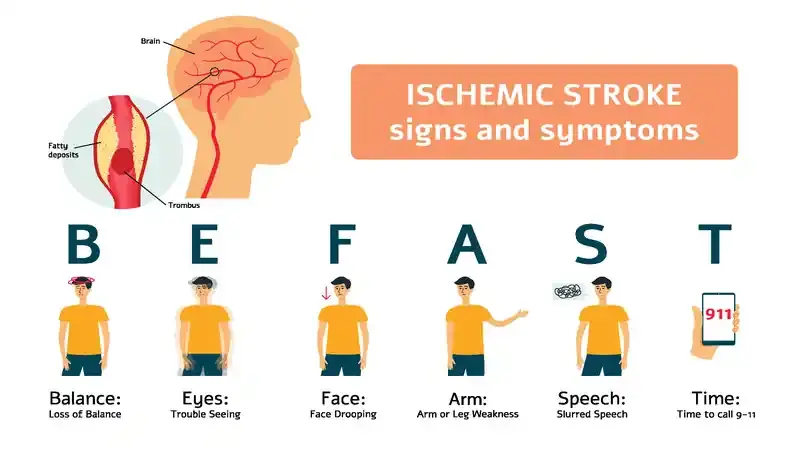
2. Difficulty Speaking or Understanding Speech
A mini stroke may affect areas of the brain responsible for language.
This can lead to:
-
Slurred speech
-
Difficulty forming words
-
Trouble understanding what others are saying
-
Sudden confusion
Someone experiencing this symptom may know what they want to say but struggle to express it clearly.
Even if the speech returns to normal after a short time, it is important to seek medical evaluation.
3. Sudden Vision Problems
Vision disturbances are another possible sign of a TIA.
These may include:
-
Blurred vision
-
Double vision
-
Temporary loss of vision in one eye
-
Difficulty focusing
Because the brain processes visual information, interruptions in blood flow can affect how the eyes and brain work together.


4. Sudden Dizziness or Loss of Balance
Mini strokes can also affect the brain regions responsible for coordination and balance.
Symptoms may include:
-
Sudden dizziness
-
Trouble walking
-
Loss of coordination
-
Feeling unsteady
Older adults may mistake these symptoms for fatigue or normal aging, but they should be taken seriously when they appear suddenly.
5. Severe Sudden Headache
Although headaches are not always present with a mini stroke, a sudden and intense headache can sometimes occur.
This headache may appear quickly and may be accompanied by dizziness, nausea, or confusion.
Any sudden severe headache—especially when combined with other neurological symptoms—should be evaluated immediately.



Why Mini Strokes Should Never Be Ignored
Even though TIA symptoms may disappear quickly, they signal that blood flow to the brain was temporarily interrupted.
Doctors often describe a mini stroke as a warning sign of a future stroke. The risk of a full stroke is highest within the first few days after a TIA.
Seeking medical care quickly allows doctors to:
-
Identify the cause
-
Prevent future strokes
-
Recommend treatment or lifestyle changes
Risk Factors for Mini Strokes
Certain conditions increase the likelihood of experiencing a TIA, including:
-
High blood pressure
-
Diabetes
-
High cholesterol
-
Smoking
-
Heart disease
-
Obesity
-
Sedentary lifestyle
Managing these risk factors can significantly reduce stroke risk.
How to Respond to Stroke Symptoms (FAST Method)
Health professionals often use the FAST method to identify stroke symptoms quickly:
-
F – Face: Does one side of the face droop?
-
A – Arms: Is one arm weak or numb?
-
S – Speech: Is speech slurred or difficult?
-
T – Time: If any of these symptoms appear, seek emergency medical help immediately.
Acting quickly can dramatically improve outcomes.
Final Thoughts
A mini stroke may last only a few minutes, but its significance should never be underestimated. Symptoms such as sudden weakness, speech difficulties, vision changes, dizziness, or severe headaches can all indicate that the brain briefly lost blood supply.
Recognizing these signs early and seeking medical attention immediately can help prevent a more serious stroke in the future.
Protecting brain health begins with awareness—and knowing when the body is sending an urgent warning signal.