Warning Signs of an Aneurysm: Symptoms That Should Never Be Ignored
An aneurysm is a serious medical condition that occurs when a section of a blood vessel wall weakens and begins to bulge outward. Over time, this bulge can enlarge and potentially rupture, leading to life-threatening complications. Many aneurysms develop silently and may not produce symptoms until they become severe, which is why understanding the warning signs can be extremely important.
Although aneurysms can occur in several parts of the body, they are most commonly found in the brain, the aorta, and other major blood vessels. Early recognition of symptoms can help individuals seek medical attention before the condition becomes critical.
This article explains what aneurysms are, what symptoms may appear, and why early awareness can save lives.
What Is an Aneurysm?
An aneurysm forms when a weakened area in a blood vessel begins to stretch and balloon outward. This bulging area becomes fragile over time. If the pressure inside the vessel becomes too strong, the aneurysm may rupture.
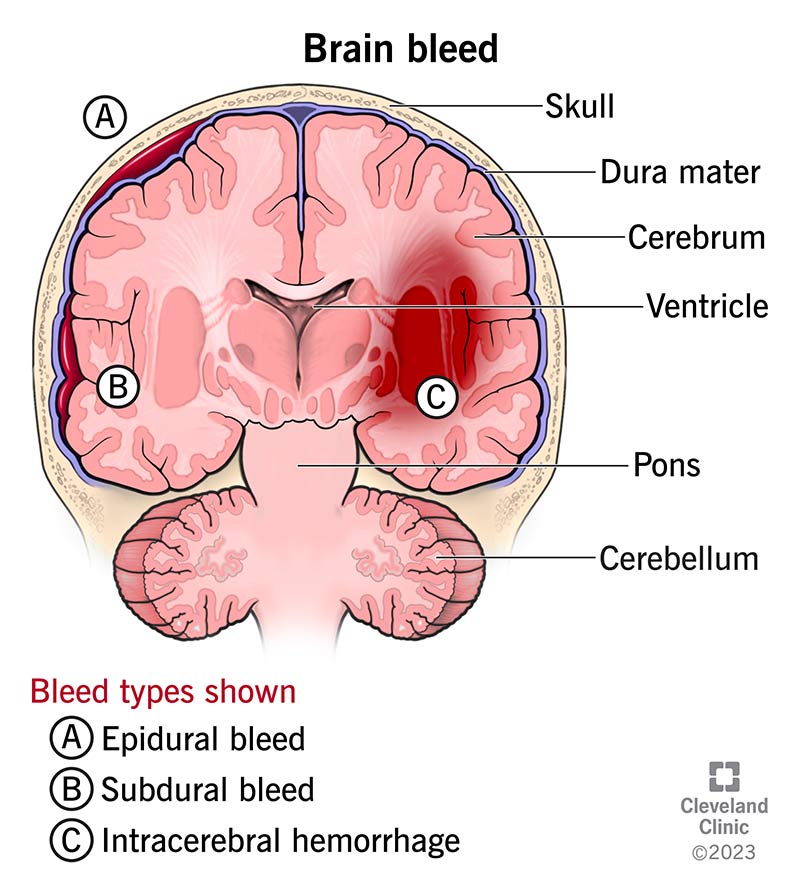
When a rupture occurs in the brain, it can lead to a hemorrhagic stroke, which is a medical emergency. Ruptures in other blood vessels can also cause severe internal bleeding.
Not all aneurysms rupture. Some remain small and stable for many years. However, doctors carefully monitor them because the risk of rupture can increase depending on the aneurysm’s size, location, and growth rate.


1. Sudden and Severe Headache
One of the most well-known warning signs of a ruptured brain aneurysm is an extremely intense headache.
Many patients describe it as “the worst headache of their life.” The pain often appears suddenly and may feel very different from typical headaches or migraines.
This severe headache can occur along with other symptoms such as nausea, vomiting, or neck stiffness. Immediate medical attention is crucial if such a headache occurs unexpectedly.
2. Vision Problems
Changes in vision can also be associated with aneurysms, particularly those affecting blood vessels near the brain.
Possible symptoms may include:
-
Blurred vision
-
Double vision
-
Sensitivity to light
-
Difficulty focusing
These vision disturbances occur when the aneurysm presses on nerves responsible for eye movement and visual processing.
3. Pain Around or Behind the Eye
Another potential symptom is persistent pain around the eye or above the eyebrow.
This pain may occur when the aneurysm presses against nearby nerves. In some cases, one pupil may become noticeably larger than the other.
Although eye pain can have many causes, persistent or unusual symptoms should be evaluated by a medical professional.


4. Numbness or Weakness on One Side of the Face
As an aneurysm grows, it may press on surrounding nerves. This pressure can cause numbness, tingling, or weakness in certain parts of the face.
Some individuals may also experience drooping eyelids or difficulty moving facial muscles.
These symptoms occur because nerves controlling facial movement become compressed by the expanding blood vessel.
5. Difficulty Speaking or Confusion
In certain cases, aneurysms affecting blood vessels in the brain may interfere with normal brain function.
Possible symptoms include:
-
Difficulty speaking clearly
-
Confusion or disorientation
-
Trouble understanding language
-
Memory problems
These neurological symptoms can resemble those seen in strokes and require immediate medical attention.
6. Nausea and Vomiting
Sudden nausea or vomiting may occur when pressure increases within the skull after a rupture.
This symptom is often accompanied by severe headache, dizziness, or sensitivity to light. When these symptoms appear together, they may indicate a serious neurological emergency.


7. Loss of Consciousness
In severe cases, a ruptured aneurysm may cause fainting or loss of consciousness. This occurs when bleeding disrupts normal brain function.
Loss of consciousness is a medical emergency that requires immediate treatment.
Who Is at Higher Risk?
Certain factors may increase the risk of developing an aneurysm, including:
-
High blood pressure
-
Smoking
-
Family history of aneurysms
-
Head injuries
-
Certain genetic conditions
-
Age over 40
Maintaining a healthy lifestyle and managing blood pressure can help reduce some of these risks.
How Aneurysms Are Diagnosed
Doctors use several imaging techniques to detect aneurysms, including:
-
CT scans
-
MRI scans
-
Cerebral angiography
These tests allow doctors to visualize blood vessels and determine whether an aneurysm is present.
Early detection can help doctors monitor the condition and determine whether treatment is necessary.
Treatment Options
Treatment depends on the aneurysm’s size, location, and risk of rupture.
Possible treatments may include:
-
Monitoring with regular imaging tests
-
Surgical clipping of the aneurysm
-
Endovascular coiling procedures
-
Managing risk factors such as high blood pressure
Doctors choose the most appropriate treatment based on the patient’s individual situation.
Protecting Brain and Vascular Health
Although not all aneurysms can be prevented, certain lifestyle habits can support healthy blood vessels:
-
Maintaining healthy blood pressure
-
Avoiding smoking
-
Eating a balanced diet
-
Exercising regularly
-
Managing stress
Regular medical checkups are also important, especially for individuals with risk factors.
Final Thoughts
Aneurysms often develop quietly, but when symptoms appear they should never be ignored. Warning signs such as sudden severe headaches, vision problems, facial numbness, or confusion may indicate that the brain’s blood vessels are under serious stress.
Early medical attention can make a critical difference. Understanding these symptoms and responding quickly may help prevent life-thre