A growing number of studies are trying to explain why colon (colorectal) cancer is increasing among young adults, even though many other cancers are declining. Scientists recently identified a possible biological cause that could help explain this worrying trend.
A Possible Cause: A Toxin From Gut Bacteria
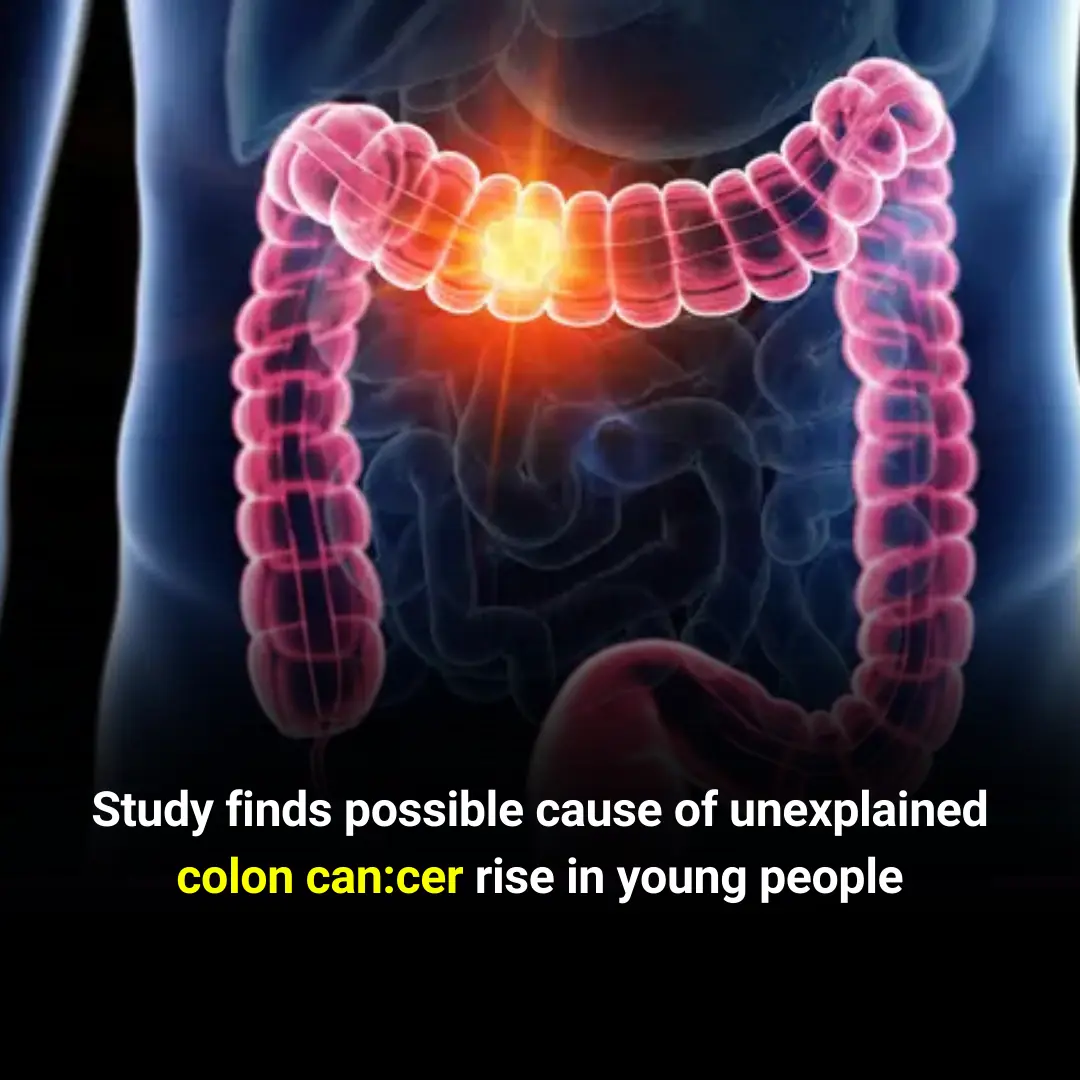
Recent research suggests that a toxin produced by certain gut bacteria may play an important role. The toxin, called colibactin, is produced by some strains of E. coli. It can damage DNA inside cells of the colon, which may eventually lead to cancer.
Scientists discovered that DNA mutations linked to colibactin appear much more frequently in colorectal cancers diagnosed in younger adults, sometimes more than three times as often as in older patients.
Researchers believe the exposure might even occur during childhood, when certain bacteria colonize the gut. The toxin could create genetic mutations early in life, which then develop into cancer decades later.
Why Colon Cancer in Young People Is Alarming
Colon cancer was once considered mainly a disease of older adults, but that is changing rapidly.
-
Around 1 in 5 cases now occur in people under 55.
-
Rates among younger adults have been rising by about 3% each year.
-
It has become one of the leading causes of cancer-related death in adults under 50 in some countries.
Because many younger people are not routinely screened, cancers may be diagnosed later, making them harder to treat.
Other Factors Scientists Are Investigating
While bacterial toxins are a promising explanation, experts believe multiple factors are likely involved, including:
-
Changes in diet, especially high intake of ultra-processed foods and red or processed meat.
-
Obesity and sedentary lifestyles, which increase inflammation in the body.
-
Alterations in the gut microbiome, the community of microbes living in the digestive system.
-
Environmental exposures such as microplastics or antibiotics, which researchers are still studying.
Scientists emphasize that no single factor fully explains the rise yet.
Symptoms People Should Not Ignore
Doctors advise seeing a healthcare professional if you experience:
-
Blood in the stool
-
Persistent abdominal pain
-
Changes in bowel habits
-
Unexplained weight loss
These symptoms do not always mean cancer, but they should be checked.
The Bottom Line
New research suggests that a toxin from certain gut bacteria may damage DNA and contribute to colon cancer developing earlier in life. While the exact cause is still being studied, experts believe a combination of microbiome changes, diet, lifestyle, and environmental factors may be driving the increase.
Early awareness and medical screening remain the best ways to detect the disease early and improve outcomes.