Finding an unexpected red spot inside a cracked egg can be unsettling, especially for consumers who expect store-bought products to be uniform and safe. The image and accompanying question—whether these red “floaty” spots are normal or a warning sign—reflect a common concern among shoppers. According to food safety experts, the answer is reassuring: in most cases, these spots are harmless and naturally occurring.
What Are Red Spots in Eggs?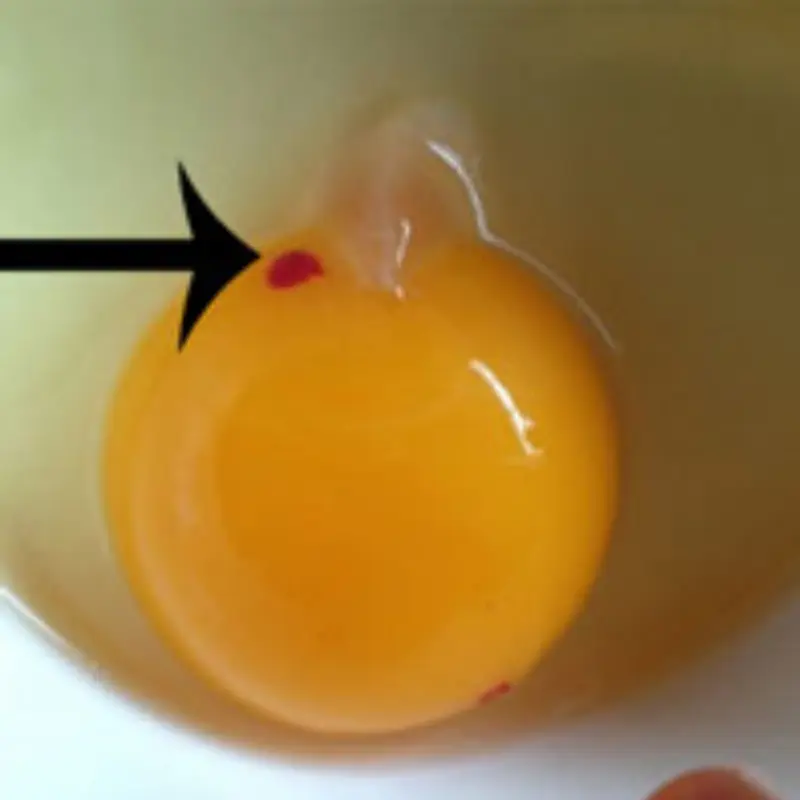
Red or dark spots found in egg yolks are commonly referred to as blood spots. Despite the name, they are not an indication that the egg is fertilized or developing into an embryo. Instead, these spots occur when a small blood vessel in the hen’s ovary or oviduct ruptures during the egg formation process.
In some cases, similar spots—known as meat spots—may appear brown or tan. These are small pieces of tissue that become incorporated into the egg as it forms. Both types are considered natural defects rather than signs of contamination.
Are They Safe to Eat?
Food safety authorities in the United States, including guidelines consistent with the USDA, confirm that eggs containing blood spots are safe to consume as long as they are properly cooked. The presence of a blood spot does not indicate bacterial contamination or spoilage.
Many consumers choose to remove the spot with a spoon or knife before cooking for aesthetic reasons, but this is not required for safety. Once cooked, the egg remains nutritionally identical to one without spots.
Why Do These Spots Occur in Store-Bought Eggs?
Commercial egg producers use advanced candling techniques—shining light through eggs—to detect imperfections, including blood spots. Most eggs with visible defects are removed before reaching store shelves.
However, the process is not perfect. Occasionally, small spots can go undetected, especially if they are tiny or positioned in a way that makes them difficult to see during inspection.
Factors that may increase the likelihood of blood spots include the age of the hen, genetic variations, and minor disruptions during egg formation. These variables are natural and do not reflect poor quality or unsafe handling.
How to Tell If an Egg Is Safe
While blood spots themselves are harmless, consumers should still evaluate eggs for overall freshness and safety. Signs that an egg may be spoiled include:
-
A strong or unpleasant odor when cracked
-
Discolored or unusually runny egg whites
-
A slimy or abnormal texture
If any of these signs are present, the egg should be discarded regardless of whether a red spot is visible.
Common Misconceptions
One of the most persistent myths is that red spots indicate a fertilized egg. In reality, nearly all eggs sold in grocery stores are unfertilized, as commercial egg production does not involve roosters.
Another misconception is that these spots signal disease or poor hygiene. In fact, blood spots are a natural byproduct of the egg-laying process and are not linked to foodborne illness.
Nutritional Value Remains Unchanged
The presence of a blood or meat spot does not affect the nutritional content of the egg. Eggs remain a rich source of protein, vitamins, and minerals, including vitamin B12, selenium, and choline.
Whether or not a spot is present, eggs continue to provide essential nutrients that support overall health, making them a reliable component of a balanced diet.
Consumer Preferences and Handling
While safe to eat, eggs with visible spots may be less appealing to some consumers. Removing the spot before cooking is a common practice for those who prefer a more uniform appearance.
Proper storage and handling are also important. Eggs should be kept refrigerated at or below 40°F (4°C) and used within recommended timeframes to maintain freshness and safety.
Conclusion
Red spots in store-bought eggs may come as a surprise, but they are generally harmless and a natural part of the egg production process. Rather than signaling danger, they reflect minor variations that can occur during formation.
For consumers, the key takeaway is to focus on overall egg quality and proper food safety practices. With the right handling and preparation, eggs—spots or not—remain a safe, nutritious, and versatile food choice.