These People Should Not Eat Cashews
Cashews are a popular and nutritious snack, rich in healthy fats, protein, vitamins, and minerals. However, they are not suitable for everyone. Certain people should avoid eating cashews due to potential health risks. Knowing who should be cautious can help prevent serious problems.
1. People with Nut Allergies
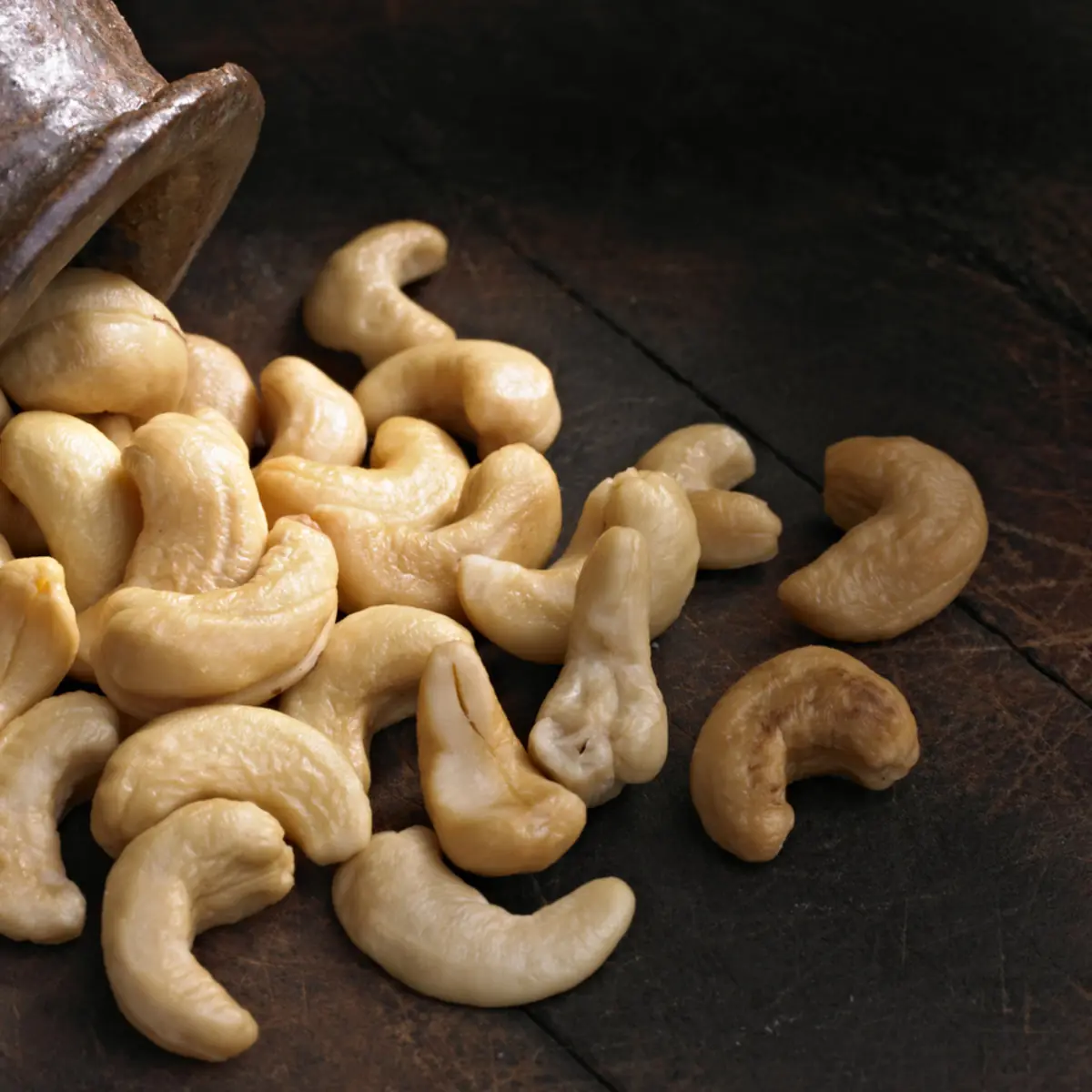
Cashews are tree nuts and can trigger severe allergic reactions in susceptible individuals. Symptoms may include itching, swelling, hives, difficulty breathing, and in extreme cases, anaphylaxis. Anyone with a known nut allergy should avoid cashews completely.
2. Individuals with Kidney Problems
Cashews are high in potassium and phosphorus, minerals that people with kidney disease may need to limit. Consuming cashews in large amounts can put additional stress on the kidneys and worsen existing conditions.
3. People with Gallstones or Gallbladder Issues
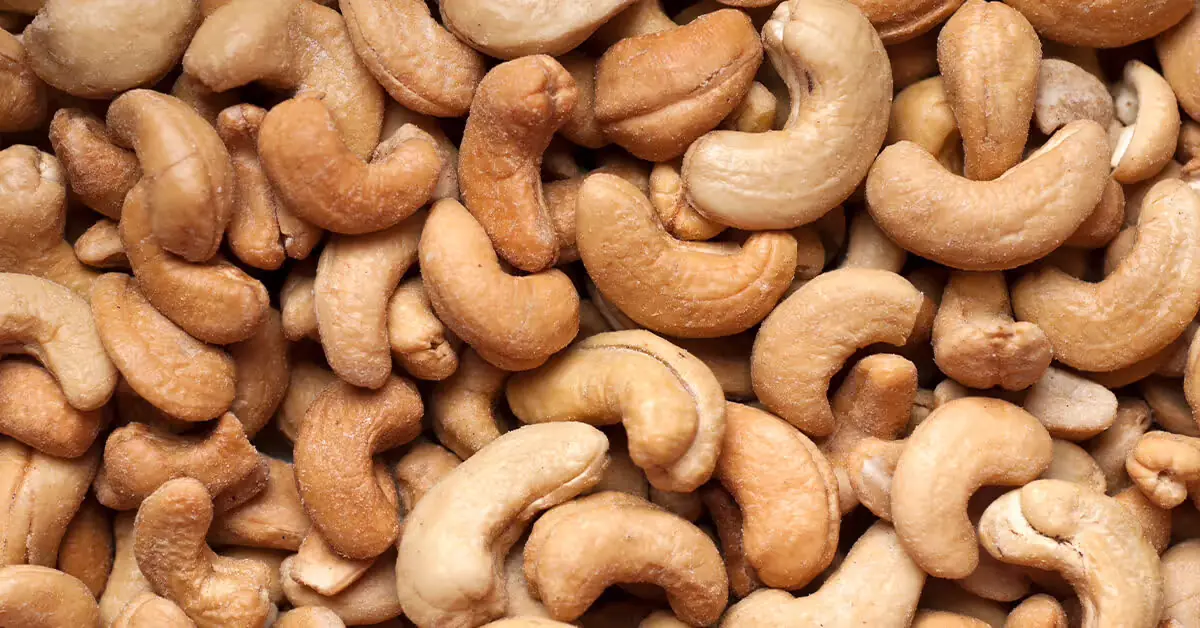
Cashews are high in fat, which can trigger pain or discomfort in individuals with gallstones or other gallbladder problems. Eating high-fat foods can cause the gallbladder to contract and worsen symptoms.
4. Individuals Trying to Lose Weight
While cashews contain healthy fats, they are also calorie-dense. Overeating them can contribute to weight gain. People on a strict weight-loss plan should consume cashews in moderation.
5. People Taking Certain Medications
Cashews contain natural compounds that can interact with some medications, especially blood thinners and drugs that affect kidney or liver function. It’s always best to consult a doctor before adding cashews to your diet if you are on medication.
Tips for Safe Cashew Consumption
-
Opt for unsalted or raw cashews instead of roasted and heavily salted ones.
-
Limit portions to a small handful per day (about 20–30 grams).
-
Monitor for any allergic reactions when eating cashews for the first time.
Final Thoughts
Cashews are generally healthy for most people, but for those with allergies, kidney issues, gallbladder problems, or certain medical conditions, they can pose risks. Eating them in moderation and knowing your own health status is key to enjoying this nutritious nut safely.