For many home cooks, dealing with frozen meat is a daily reality. Whether pulled from the freezer at the last minute or stored for long-term use, frozen meat often requires careful handling before it can be cooked properly. Viral tips and kitchen hacks—like adding certain substances to speed up thawing—promise quick results, but not all methods are safe or effective. Food safety experts say that understanding the science behind thawing is essential to protecting both flavor and health.
Why Proper Thawing Matters
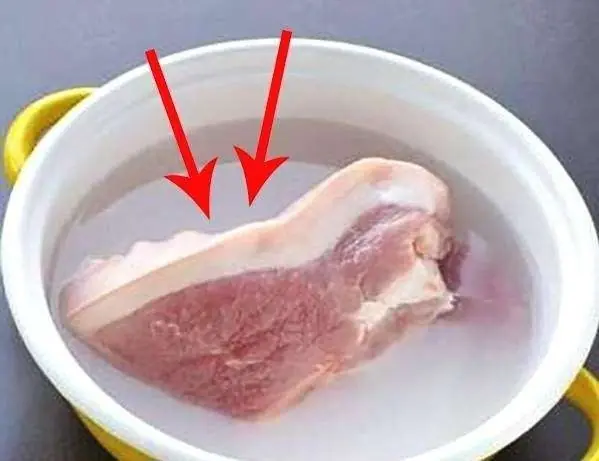
Thawing meat is more than just a matter of convenience. Improper thawing can lead to uneven texture, loss of moisture, and, more importantly, the growth of harmful bacteria. When meat is left at unsafe temperatures—typically between 40°F and 140°F (4°C to 60°C)—bacteria can multiply rapidly.
This is why food safety agencies in the United States, including the USDA, emphasize controlled thawing methods. The goal is to bring meat from frozen to a cookable state without exposing it to conditions that encourage bacterial growth.
The Science Behind Quick Thawing
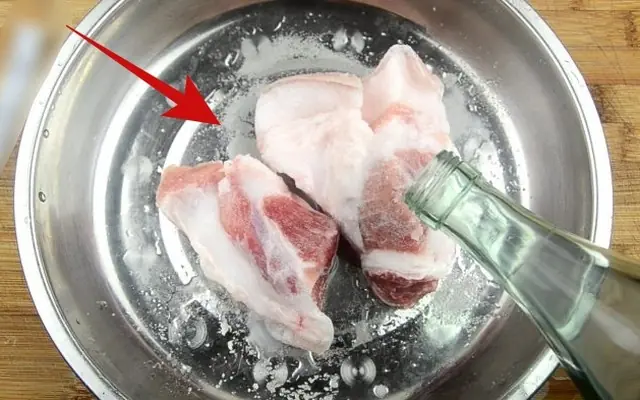
The image suggests adding a substance—commonly salt or vinegar—to speed up thawing. While these ingredients can slightly affect the freezing point of water or help conduct heat more efficiently, their impact on thawing speed is limited.
Salt, for example, can lower the freezing point of ice and may help break down frost on the surface of meat. Vinegar, on the other hand, may alter surface proteins and slightly tenderize meat. However, neither method replaces proper thawing techniques, and excessive use can affect taste and texture.
Safe and Effective Thawing Methods
Experts recommend three primary methods for thawing frozen meat safely:
1. Refrigerator Thawing
This is the safest method. Meat is placed in the refrigerator and allowed to thaw gradually over several hours or overnight. While it requires planning, it keeps the meat at a consistent, safe temperature.
2. Cold Water Thawing
For faster results, meat can be sealed in a leak-proof bag and submerged in cold water. The water should be changed every 30 minutes to maintain a safe temperature. This method can thaw meat in a few hours without compromising safety.
3. Microwave Thawing
Microwaves offer the quickest option, but they require immediate cooking afterward. Uneven heating can begin to cook parts of the meat, which may affect texture if not handled properly.
Common Mistakes to Avoid
One of the most common errors is thawing meat at room temperature. While it may seem convenient, this method exposes the outer layers of meat to bacteria-friendly conditions while the inside remains frozen.
Another mistake is using hot water to speed up thawing. Although it may appear effective, hot water can partially cook the meat and create an unsafe environment for bacterial growth.
Relying solely on additives like salt or vinegar without proper temperature control can also lead to inconsistent results and potential food safety risks.
Maintaining Flavor and Texture
Proper thawing not only ensures safety but also preserves the quality of the meat. Rapid, uneven thawing can cause moisture loss, resulting in dry or tough textures during cooking.
Using cold water or refrigerator methods helps maintain the integrity of muscle fibers, leading to better flavor and tenderness. If additives are used, they should be applied carefully and in moderation to avoid altering the natural taste of the meat.
The Role of Preparation in Cooking
Once thawed, meat should be cooked promptly and thoroughly. Cooking methods such as boiling, stir-frying, or grilling can enhance flavor when the meat has been properly prepared.
Seasoning and marinating after thawing—not during the thawing process—are generally more effective in achieving desired taste and texture. This ensures that flavors are absorbed evenly without interfering with the thawing process itself.
Conclusion
While quick kitchen hacks may promise faster thawing, safe and effective methods remain grounded in science and food safety principles. Adding substances like salt or vinegar may offer minor benefits, but they should not replace proper thawing techniques.
For home cooks, the best approach is a combination of planning, proper handling, and an understanding of how temperature affects food safety. By following expert guidelines, it is possible to thaw frozen meat quickly while preserving both its quality and safety—ensuring every meal is not only delicious but also safe to eat.