Indoor air quality is something most people rarely think about—yet it has a direct impact on health, energy levels, and overall well-being. From furniture and paint to cleaning products and electronics, modern living spaces often contain hidden pollutants. One of the most common and concerning among them is formaldehyde, a chemical that can silently affect the air you breathe every day.
At the same time, fine dust particles—often invisible to the naked eye—circulate constantly indoors, contributing to respiratory discomfort, allergies, and fatigue.
The good news? Nature offers a simple and elegant solution. Certain indoor plants are known for their ability to absorb pollutants, trap dust, and improve air quality naturally. While they are not a complete replacement for ventilation or air purifiers, they can significantly enhance your living environment.
Let’s explore five powerful plants that can help create a cleaner, fresher indoor space.
Why Formaldehyde and Fine Dust Matter
Formaldehyde is commonly found in:
-
Pressed wood furniture
-
Paints and varnishes
-
Adhesives and glues
-
Household cleaning products
Long-term exposure may cause:
-
Eye, nose, and throat irritation
-
Headaches
-
Allergic reactions
-
Respiratory issues
Fine dust (PM2.5 and smaller particles) can:
-
Penetrate deep into the lungs
-
Trigger asthma and allergies
-
Reduce indoor air quality significantly
This is why improving indoor air isn’t just about comfort—it’s about protecting your health.
1. Snake Plant (Sansevieria)
The snake plant is often considered one of the most effective air-purifying plants.
Key Benefits:
-
Absorbs formaldehyde and other toxins
-
Releases oxygen even at night
-
Extremely low maintenance
Its upright, sword-like leaves also trap dust particles, helping reduce airborne debris.
Why It Stands Out:
It thrives in low light and requires minimal watering, making it ideal for bedrooms and offices.
2. Spider Plant (Chlorophytum comosum)
The spider plant is a favorite for beginners—and for good reason.
Key Benefits:
-
Effective at removing formaldehyde
-
Helps reduce airborne dust
-
Safe for pets
Its long, arching leaves increase surface area, allowing it to capture more particles from the air.
Why It Stands Out:
It grows quickly and adapts easily to different environments.
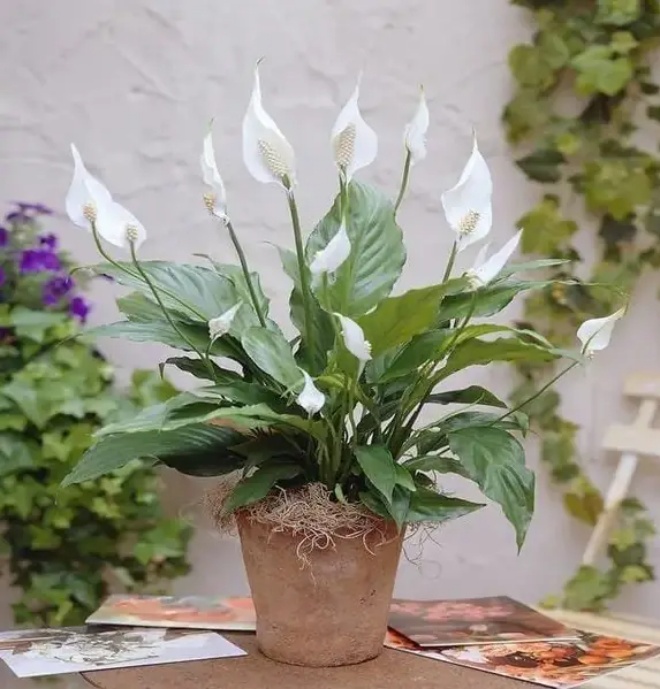
3. Peace Lily (Spathiphyllum)
The peace lily is not only beautiful but also highly functional.
Key Benefits:
-
Absorbs formaldehyde and other indoor toxins
-
Increases indoor humidity slightly
-
Helps reduce mold spores
Its broad leaves are excellent at trapping dust, making it a powerful natural filter.
Why It Stands Out:
It also acts as a visual indicator—drooping leaves signal when it needs water.
4. Areca Palm (Dypsis lutescens)
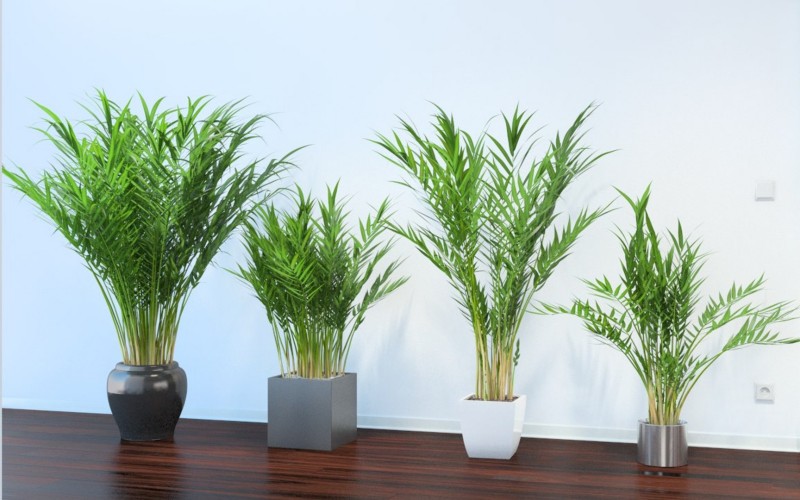
The areca palm brings a tropical feel while improving air quality.
Key Benefits:
-
Filters indoor pollutants
-
Adds moisture to dry indoor air
-
Traps fine dust on its feathery leaves
Why It Stands Out:
It works well in larger spaces and helps create a fresher, more breathable environment.
5. Boston Fern (Nephrolepis exaltata)
The Boston fern is one of the most effective plants for improving indoor air.
Key Benefits:
-
Helps remove formaldehyde
-
Excellent at capturing fine dust
-
Naturally humidifies the air
Why It Stands Out:
Its dense foliage acts like a natural air net, catching particles as air flows through it.
How These Plants Actually Help
Plants improve air quality through a combination of processes:
1. Absorption Through Leaves
Pollutants like formaldehyde can be absorbed through tiny pores on leaves.
2. Microbial Action in Soil
Beneficial microbes in the soil break down harmful chemicals.
3. Dust Capture
Leaves act as natural surfaces where dust settles instead of staying airborne.
4. Oxygen Release
Plants improve overall air freshness by releasing oxygen during photosynthesis.
Maximizing the Benefits
To get the most out of these plants, consider the following:
Place Them Strategically
-
Near windows
-
In bedrooms
-
Around workspaces
Keep Leaves Clean
Dust can block absorption, so gently wipe leaves regularly.
Combine Multiple Plants
Using several plants increases overall effectiveness.
Ensure Proper Care
Healthy plants are more efficient at purifying air.
Important Note: Plants Are Not a Complete Solution
While these plants can improve indoor air quality, they should be part of a broader approach that includes:
-
Proper ventilation
-
Regular cleaning
-
Reducing pollutant sources
Think of them as a natural enhancement - not a standalone fix.
Final Thoughts
In a world filled with hidden indoor pollutants, adding a few well-chosen plants can make a meaningful difference. These five plants not only beautify your space but also contribute to a cleaner, healthier environment by helping reduce formaldehyde and trapping fine dust.
The real power lies in their simplicity. No complicated systems, no expensive equipment - just nature quietly working in the background to support your well-being.
And sometimes, that’s exactly what your home needs: a little more green, a little more fresh air, and a lot more balance.