Recognizing Mini-Stroke Symptoms: A Crucial Step in Stroke Prevention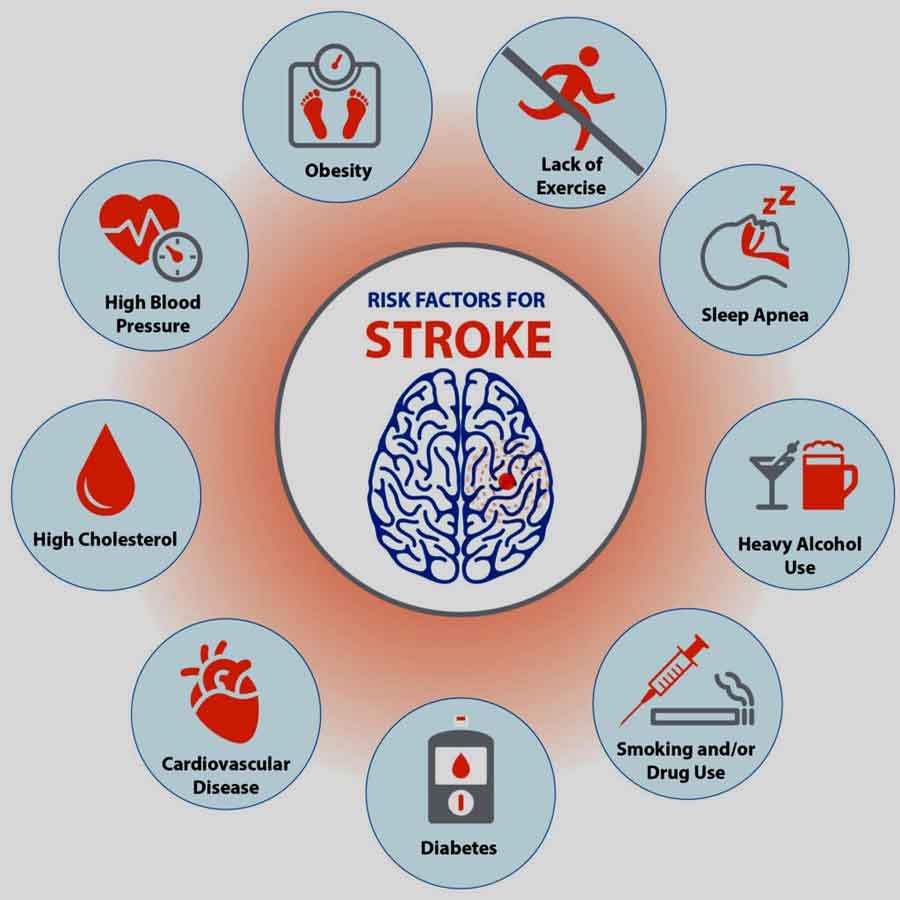
Strokes can strike without warning, but research indicates that many individuals experience subtle warning signs days before a major event. A significant study revealed that 43% of stroke patients reported experiencing symptoms of a mini-stroke, or transient ischemic attack (TIA), within the week preceding their full-blown stroke .
Understanding Mini-Strokes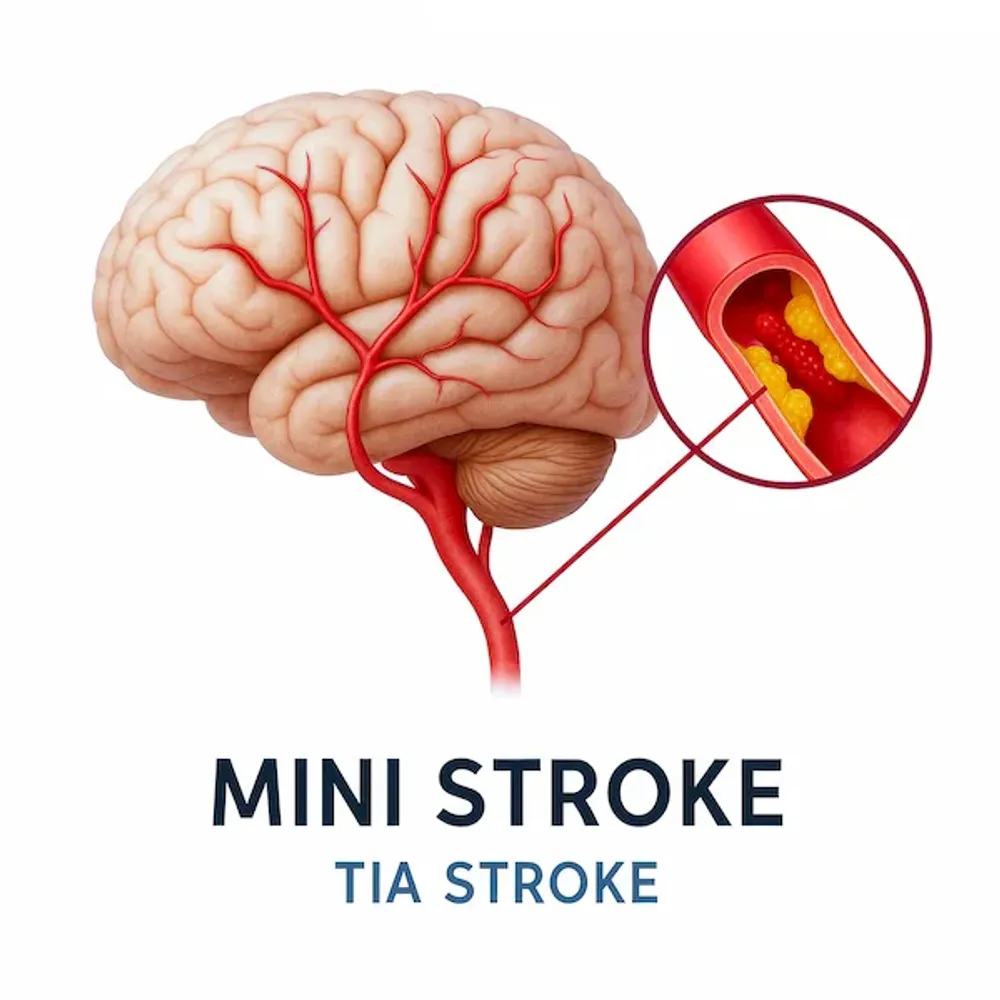
A TIA is a temporary disruption in blood flow to the brain, often referred to as a "mini-stroke." Unlike a full stroke, the symptoms of a TIA are brief and typically resolve within minutes to hours. However, TIAs should not be dismissed, as they often serve as precursors to more severe strokes.
Common Symptoms of a Mini-Stroke
Recognizing the signs of a TIA is vital. Common symptoms include:
-
Sudden numbness or weakness, particularly on one side of the body
-
Difficulty speaking or understanding speech
-
Sudden vision problems in one or both eyes
-
Dizziness or loss of balance
-
Severe headache with no known cause
The acronym FAST can help remember the key symptoms:
-
F: Face drooping
-
A: Arm weakness
-
S: Speech difficulty
-
T: Time to call emergency services
The Importance of Immediate Medical Attention
Even if symptoms of a TIA resolve quickly, it's crucial to seek immediate medical attention. Studies have shown that individuals who experience a TIA are at a higher risk of having a full stroke, particularly within the first 48 hours .
Risk Factors for Stroke
Several factors can increase the likelihood of experiencing a stroke or TIA, including:
-
High blood pressure
-
Diabetes
-
High cholesterol
-
Smoking
-
Obesity
-
Physical inactivity
-
Excessive alcohol consumption
Adopting a healthy lifestyle can significantly reduce the risk of stroke:
-
Regular Exercise: Engage in physical activity to maintain cardiovascular health.
-
Balanced Diet: Consume a diet rich in fruits, vegetables, and whole grains.
-
Regular Health Screenings: Monitor blood pressure, cholesterol levels, and blood sugar.
-
Avoid Smoking: Quit smoking to improve overall vascular health.
-
Limit Alcohol Intake: Consume alcohol in moderation.
Conclusion
Being aware of the symptoms of a mini-stroke and understanding the associated risks can be life-saving. If you or someone you know experiences any of the symptoms mentioned, seek medical attention immediately. Early intervention can prevent a major stroke and lead to better outcomes.